
Planting
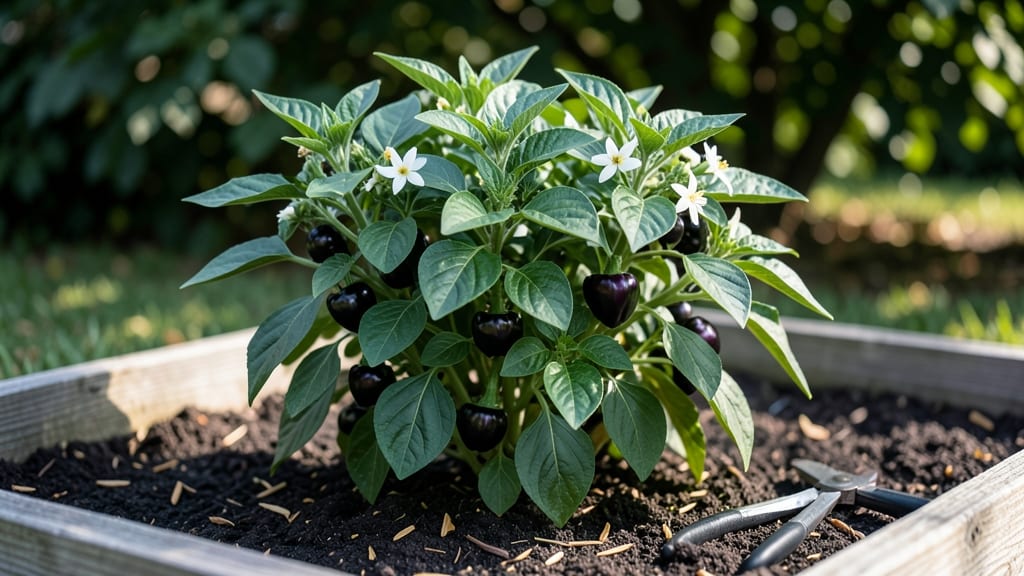
Ornamental black pepper plants stand out for their non-spicy berries and lush, decorative leaves, growing in compact shapes perfect for garden accents. Unlike culinary varieties, they prioritize visual appeal over heat, thriving in partial shade with moist, well-draining soil.
These plants are often chosen for their vibrant, glossy foliage that adds year-round color to landscapes. 🌿 Unlike their spicy cousins, ornamental types like Piper nigrum 'Variegatum' or Piper aduncum produce berries that lack the capsaicin compound, making them safe for pets and children while still offering striking visual interest.
The secret to their success lies in mimicking their native tropical environments—think dappled shade, high humidity, and consistent moisture without waterlogging.
For gardeners, the key is balancing care with their ornamental purpose. While they tolerate some shade, too little light dulls their signature leaf color, and overwatering leads to root rot. I've found that mulching helps retain moisture while preventing soil compaction, which these tropical plants particularly dislike.
The compact growth habit makes them perfect for containers or as understory plants in mixed borders.
💡 In This Article
- Key Differences Between Ornamental and Culinary Black Pepper Plants
- Optimal Growing Conditions for Ornamental Black Pepper Plants
Key differences between ornamental and culinary black pepper plants
The most striking difference lies in the fruit's chemical composition. Culinary black pepper (Piper nigrum) contains piperine, a compound that triggers the burning sensation, while ornamental varieties have been selectively bred to minimize or eliminate this compound.
Their berries remain small (5mm diameter) but develop a glossy, deep purple-black hue that's purely decorative. The leaves also differ—ornamental types often feature variegated patterns or deeper green hues with waxy textures that reflect light beautifully.
Botanically, ornamental varieties belong to different species like Piper aduncum (South American pepper) or Piper nigrum 'Variegatum', which have been cultivated specifically for their foliage.
The growth habit is another key distinction: ornamental types typically reach 3-5 feet tall with a bushy, multi-stemmed form, while culinary varieties grow taller (10-20 feet) with a single main stem. This compact structure makes them ideal for container gardening or as foundation plants in mixed borders.
The leaf morphology also plays a role in their ornamental value. Ornamental varieties often have broader, thicker leaves (up to 6 inches long) with pronounced veins that create interesting textures.
The waxy coating on these leaves not only enhances their visual appeal but also helps them retain moisture in their preferred humid environments. Unlike culinary varieties, which are grown for their fruit, ornamental types are valued for their year-round foliage interest and ability to thrive in partial shade conditions.
Genetic differences explain why ornamental types lack pungency. Through selective breeding, horticulturists have focused on reducing capsaicin-related compounds while enhancing visual traits. This makes them safe for gardens with pets or children, as the berries won't cause irritation if ingested in small quantities.
The trade-off is that these plants won't produce the same culinary heat that makes black pepper a kitchen staple.
Consider the visual impact: a well-placed ornamental pepper plant can create a tropical feel in gardens, with its deep green foliage and clustered berries resembling miniature Christmas ornaments.
The contrast between their decorative purpose and culinary varieties' functional role highlights how plant breeding can serve entirely different purposes—one for flavor, one for beauty.
For gardeners, this means choosing based on your priorities. If you want heat in your kitchen, you'll need Piper nigrum. If you're looking to add texture and color to shaded areas, ornamental varieties offer a perfect solution without the spice.
The key is understanding these fundamental differences before selecting your plants.