
Planting
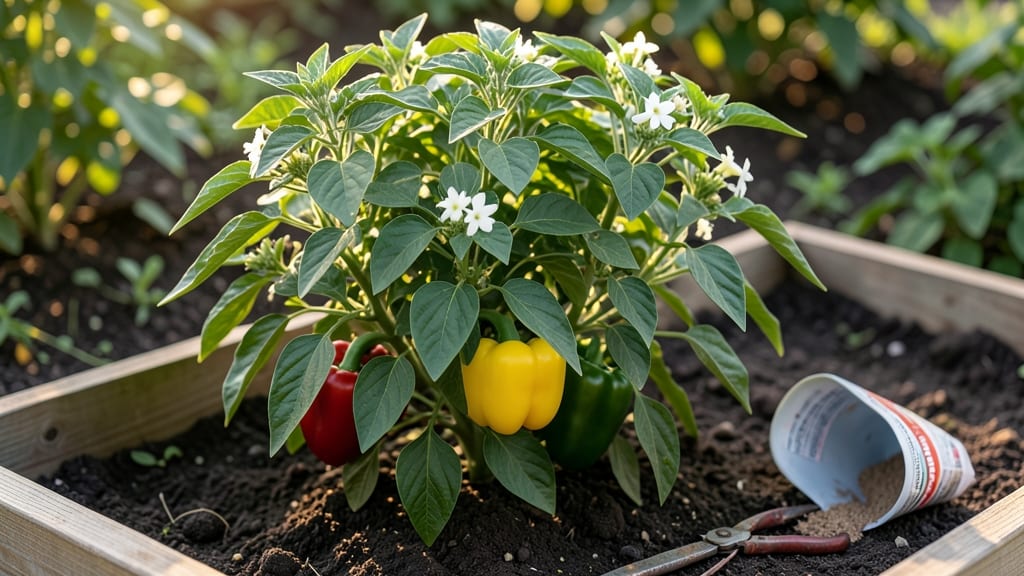
Mastering pepper plant identification can turn a confusing jungle of seedlings into a thriving harvest—once you know what to look for in the leaves, stems, and fruit, it’s impossible to go wrong. 🌿 I’ve spent years sorting through seedlings and mature plants, and the key is in the details. to mix them up again.
The wrong ID can mean wasted space or lost yields, but these simple visual cues will have you spotting bell peppers, jalapeños, and habaneros like a pro.
Start with the leaves: bell peppers have broad, smooth-edged foliage, while hot peppers often show serrated edges and hairy stems. 🌱 A jalapeño’s leaves might feel fuzzy to the touch, whereas a sweet banana pepper’s leaves stay sleek.
Fruit color isn’t always reliable—some heirlooms change hues as they ripen—but shape and size give huge clues: tiny, curved fruits? Likely a Thai chili; blocky and thick-walled? Probably a bell.
Healthy plants also reveal themselves through structure: strong, upright stems with glossy leaves mean vigor, while yellowing or curled edges signal pests or disease. 💚 Confusing lookalikes? Datura or nightshade weeds mimic peppers but lack the classic pepper scent and fruit structure.
A quick leaf rub test—pepper leaves release a faint, fresh aroma—can seal the deal.
For instant verification, snap a photo and compare it to free apps like PlantNet or PictureThis—they’re like having a botanist in your pocket. Once you’ve mastered the basics, you’ll spot varieties at a glance, troubleshoot issues faster, and never waste time on misidentified plants again.
Root Causes Of Misidentification
Identifying pepper plants can feel like solving a botanical puzzle—especially when similar species or even different varieties within the same genus (Capsicum) share striking similarities. But why do gardeners and plant enthusiasts struggle so often?
The answer lies in a mix of genetic quirks, environmental influences, and human observation gaps. Let’s break down the science behind these challenges so you can spot the red flags (or leaves!) early.
---
Peppers belong to the Capsicum genus, which includes over 30 species, many of which evolved to thrive in similar climates. This close genetic relationship means some traits—like leaf shape, color, or even fruit size—can overlap dramatically. For example:
- Bell Peppers (Capsicum annuum) and Shishito Peppers (Capsicum annuum ‘Shishito’) share nearly identical leaf structures but differ in fruit heat levels. - Habanero (Capsicum chinense) and Scotch Bonnet (Capsicum chinense) are the same species but vary in fruit shape and spice intensity. - Wild relatives, like Capsicum pubescens (used for Rocoto peppers), may have fuzzy leaves or darker stems that mimic cultivated varieties under stress.
Actionable Tip: 🔍 Use a magnifying glass to inspect leaf veins, stem texture, and flower structure—these micro-details often reveal the species. For instance, Capsicum frutescens (like Tabasco peppers) tends to have hairier stems than Capsicum annuum.
---
Plants don’t just grow based on genetics—they react to their surroundings. When peppers experience nutrient deficiencies, pests, or extreme conditions, they may develop traits that look like a different species. Common culprits include:
| Stress Factor | How It Alters Appearance | Real Example | |--------------------------|------------------------------------------------------|-------------------------------------------| | Nitrogen Deficiency | Smaller, darker green leaves with yellow edges | A Jalapeño might look like a Serrano under stress. | | Overwatering | Yellowing leaves, drooping stems | Poblano leaves may resemble Anaheim when soggy. | | Pest Damage | Holes in leaves, distorted growth | Spider mites can make Cayenne leaves look like Thai Bird’s Eye. | | Light Intensity | Larger or smaller leaves, altered color | Shade-grown Bell Peppers can mimic Shishito in leaf shape. |
Pro Tip: 🌡️ Take photos of your plant under different lighting—some species (like Capsicum baccatum, or Aji peppers) have variegated leaves that only show up in bright light.
---
Even with a keen eye, misidentification happens because of how we perceive plants. Here’s why:
- Fruit vs. Leaf Focus: Many gardeners prioritize fruit shape or color (e.g., "This pepper is red like a Habanero!") but ignore leaf serration, stem hairiness, or flower structure—key identifiers. - Seasonal Changes: Pepper leaves can look lighter or darker depending on the season.
A Pepperoncini in winter might resemble a Banana Pepper in summer. - Hybrid Confusion: Seed companies often sell F1 hybrids (e.g., ‘Lunchbox’ or ‘Lipstick’), which combine traits from multiple species. These may not match classic descriptions.
Quick Fix: ✨ Compare your plant to a press-dried leaf sample from a trusted source (like a university herbarium or seed catalog). Dried leaves retain shape better than fresh ones for ID.
--- Peppers are self-pollinating, and their flowers and fruits often hold the most reliable clues. Yet many gardeners skip this step because: - Flowers are short-lived (often dropping within days). - Fruits take 60–120 days to mature, delaying identification.
Critical Traits to Check: - Flower color: Capsicum annuum = white/purple; Capsicum chinense = often greenish. - Fruit attachment: Capsicum pubescens fruits attach upright; Capsicum frutescens hang downward. - Seed shape: Capsicum baccatum seeds are kidney-shaped; Capsicum annuum are flatter.
Action Step: 📸 Photograph flowers and early fruit development—even if the plant is young. Apps like iNaturalist or PlantNet can cross-reference these images with databases.
Quick Fixes for Common Pepper Plant Issues
Got a pepper plant that’s not behaving? Whether it’s struggling with pests, diseases, or environmental stress, here’s how to diagnose and solve the most common problems—fast. We’ll map each issue to a simple fix, plus share prevention tips to keep your plants thriving.
---
Cause: Aphids, spider mites, or whiteflies sucking sap, leaving sticky residue or yellowing leaves.
Fix: 1. 🚰 Rinse Off Soft-Bodied Pests (Aphids/Whiteflies): - Spray plants with a strong stream of water to dislodge pests. - Repeat every 2–3 days until gone.
2. 🧴 Apply Neem Oil or Insecticidal Soap: - Mix 1 tsp neem oil + 1 tsp mild soap per quart of water. - Spray early morning or evening (avoid direct sun to prevent leaf burn). - Reapply every 5–7 days for severe infestations.
3. 🕷️ Combat Spider Mites (Webbing or Tiny Yellow Spots): - Wipe leaves with a damp cloth + dish soap (1 tsp per gallon of water). - Introduce predatory mites (like Phytoseiulus persimilis) for natural control.
💡 Prevention: - 🌿 Inspect new plants before bringing them indoors. - 🍃 Encourage beneficial insects (ladybugs, lacewings) with companion plants like marigolds or basil. - 🌞 Keep plants well-watered—mites thrive in dry conditions.
---
Cause: Overwatering, nutrient deficiency, or fungal/bacterial infections.
| Symptom | Likely Cause | Solution | |---------------------------|-------------------------------|------------------------------------------------------------------------------| | Yellow Lower Leaves | Overwatering or poor drainage | ✅ 💧 Check soil moisture—stick your finger 1–2" deep; water only if dry. | | | | ✅ 🪴 Repot in well-draining soil (add perlite or sand). | | Brown, Crispy Edges | Underwatering or low humidity | ✅ 💦 Water deeply 1–2x/week (let top inch dry between waterings). | | | | ✅ 🌧️ Use a humidity tray or mist leaves (avoid wet foliage at night). | | Black Spots or Mold | Fungal disease (e.g., early blight) | ✅ 🍄 Remove infected leaves immediately. | | | | ✅ 🧼 Spray copper fungicide or a baking soda mix (1 tsp baking soda + 1 quart water + a drop of soap). |
💡 Prevention: - 🌡️ Space plants for airflow (12–18" apart). - 🍅 Rotate plants weekly to prevent uneven sun exposure. - 🌱 Test soil pH (peppers prefer 6.0–6.8); amend with lime or sulfur if needed.
---
Cause: Extreme temperatures or improper light exposure.
Fix: 1. ☀️ Sunburn (White or Bleached Spots): - Move plants to partial shade (especially in 100°F+ heat). - Use shade cloth (30–50%) if growing outdoors.
2. ❄️ Cold Damage (Blackened or Mushy Leaves): - 🌡️ Cover plants with frost cloth if temps drop below 50°F at night. - 🏡 Move potted peppers indoors if frost is forecasted.
3. 🔥 Heat Stress (Wilting Despite Moist Soil): - 💧 Water at soil level (not leaves) to reduce evaporation. - 🌿 Mulch with straw to retain moisture and cool roots.
💡 Prevention: - 🌱 Harden off seedlings gradually before transplanting. - 📅 Plant in spring/fall (avoid peak summer heat for young plants). - 🏡 Use grow lights if indoor growing lacks sufficient sunlight.
--- Cause: Lack of nutrients, improper pruning, or pollination issues.
Fix: 1. 🍄 Feed with Balanced Fertilizer: - Use a 10-10-10 or 5-10-10 fertilizer every 4–6 weeks. - 💡 Pro Tip: Switch to low-nitrogen, high-phosphorus (5-10-10) when flowers appear to boost fruiting.
2. 🌿 Prune for Better Airflow: - Remove suckers (shoots in leaf axils) to redirect energy to fruit. - Trim yellow or diseased leaves to prevent spread.
3. 🐝 Hand-Pollinate for More Peppers: - Gently tap flower clusters with a small brush or your finger to release pollen. - 💡 Best time: Early morning when flowers are open.
💡 Prevention: - 🌱 Start with healthy seedlings (avoid weak or leggy plants). - 📅 Plant companion flowers (like marigolds) to attract pollinators. - 🌡️ Maintain consistent temps (peppers thrive at 70–85°F).
--- 🎯 Final Tip: Keep a plant journal to track issues and solutions—it’ll help you spot patterns and adjust care next season! 🌱✨
Frequently asked questions
How can I tell if my pepper plant is sweet or hot just by looking at the leaves?
Leaf texture and edges give big clues! Sweet varieties like bell peppers typically have smooth, broad leaves with rounded edges, while hot peppers often show serrated (toothed) edges and slightly hairy stems. For example, jalapeños often have fuzzy leaves, whereas banana peppers keep sleek foliage. The scent also helps—healthy pepper leaves release a faint fresh aroma when crushed.
What's the best way to distinguish between bell peppers and shishito peppers?
Both belong to Capsicum annuum, but shishito peppers have narrower, more elongated leaves that resemble willow leaves, while bell peppers have wider, heart-shaped leaves. The real giveaway? Shishito flowers appear greenish, whereas bell pepper flowers are usually white or purple. Also, shishito peppers produce tiny, curved fruits—bell peppers stay blocky.
Why do my pepper plants look different from the pictures in seed packets?
Environmental stress or hybrid traits can alter appearance! Nutrient deficiencies (like nitrogen shortage) cause smaller, darker leaves, while overwatering leads to yellowing. Seed packets often show ideal conditions—your plants might look different due to light levels, soil quality, or pests. Check stems for hairiness (Capsicum frutescens types) or leaf serration (Capsicum chinense varieties).
Can I use a phone app to identify my pepper plant?
Apps like PlantNet or PictureThis work well for pepper ID. Just upload clear photos of leaves, stems, and flowers (not just fruit). For best results, snap images in natural light and include a reference object (like a coin) to show scale. Avoid using apps when plants are stressed—they may give incorrect matches due to altered leaf shapes.
What should I do if my pepper plant looks like a weed?
Check these key differences: Pepper leaves have alternate arrangement (one leaf per node), while weeds often show opposite or whorled patterns. Also, peppers release a faint fresh scent when crushed—weeds rarely do. If you're still unsure, examine the flower structure (pepper flowers have 5 petals) or wait for fruit to develop (peppers have thick walls and seeds in gel-like sacs).