
Plants
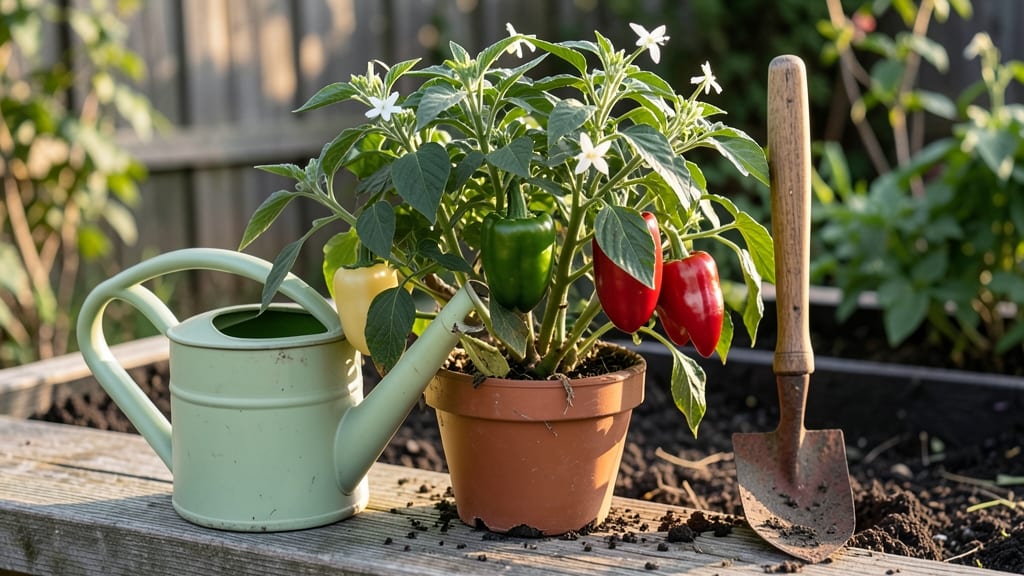
Pepper plant leaves drooping? That sad, wilted look is usually a cry for help—not a death sentence. 🌱 I’ve nursed back more than a dozen plants from this exact problem, and the fixes are simpler than you’d think.
Most often, it’s just water or light playing tricks, but pests or disease can sneak in too. Start by checking the soil: if it’s bone-dry, give it a deep drink. If it’s soggy, hold off and let it dry out.
Pepper plants hate soggy roots but also need consistent moisture—think damp sponge, not swamp. Then peek at the light: are those leaves reaching for the window like sun-starved kids? Within 24-48 hours, you’ll see them perk up if water and light were the culprits.
The key is consistency: even moisture and 6+ hours of sunlight daily keep them thriving. If drooping persists after a week, pests or disease might be lurking—let’s troubleshoot those next.
Here’s the game-changer: the finger test. Stick your finger an inch into the soil—if it’s dry, water thoroughly. If it’s cold and clumpy, you’ve overdone it. Pepper plants wilt fast when stressed, but they bounce back quicker than you’d expect once you nail the basics.
Once revived, keep an eye out for yellowing leaves (overwatering) or crispy edges (underwatering). A well-balanced fertilizer every 4-6 weeks also prevents future drama. Think of it like CPR for your plants: quick action saves the day.
Prevention is easier than rescue. Use well-draining soil, a pot with drainage holes, and a watering schedule that matches your climate. In hot summers, mulch helps retain moisture, while winter means cutting back on water entirely.
Your peppers will reward you with bold, glossy leaves and a bumper crop of spicy goodness.
Root Causes Behind Wilting Foliage
When your pepper plant’s leaves start to droop like a tired ballerina after a long performance, it’s usually a cry for help from the roots—or something blocking them from doing their job.
Understanding the why behind the wilt is the first step to reviving your plant. Below, we break down the most common culprits, backed by science, so you can diagnose and act fast.
Pepper plants are not thirsty sponges—they despise soggy roots. Overwatering or containers without drainage holes create anaerobic conditions (lack of oxygen), which suffocates roots and triggers wilting. Here’s how it happens:
- Root Rot: Fungal pathogens like Phytophthora thrive in waterlogged soil, breaking down root cells and blocking nutrient uptake. Drooping leaves are often the first visible sign.
- Nutrient Starvation: Roots can’t absorb water or minerals when they’re drowning. Even if the soil looks moist, the plant is effectively thirsty because its roots are dysfunctional.
- Physical Stress: Waterlogged roots release ethylene gas, a plant stress hormone that accelerates wilting and leaf drop.
Actionable Fix: Let the top 1–2 inches of soil dry out between waterings, and ensure pots have drainage holes. If root rot is suspected, trim affected roots with sterilized scissors and repot in fresh, well-draining soil.
Pepper plants (Capsicum annuum) are sun-worshippers and need 6–8 hours of direct sunlight daily. Too little light weakens the plant’s ability to photosynthesize, leading to limp, droopy leaves as energy reserves deplete. Here’s the science:
- Chlorophyll Breakdown: Low light reduces chlorophyll production, causing leaves to lose rigidity and droop. Older leaves often wilt first because they’re prioritized for nutrient redistribution.
- Stunted Growth Hormones: Inadequate light triggers a drop in auxin (a growth hormone), which makes stems softer and more prone to wilting.
- Leggy Stems: Plants stretch toward light, creating weak, elongated stems that can’t support foliage, leading to drooping.
Actionable Fix: Move your pepper plant to a south-facing window or supplement with a grow light (12–16 hours/day). If outdoors, ensure it’s in full sun (not dappled shade).
Pepper plants are tropical at heart and thrive in 70–85°F (21–29°C) with 40–60% humidity. Drooping can occur when conditions veer too far from this ideal:
- Heat Stress: Temperatures above 90°F (32°C) cause transpiration to outpace water uptake, leading to wilting. High heat also denatures enzymes involved in photosynthesis.
- Cold Shock: Below 50°F (10°C), pepper plants stop metabolizing efficiently, and leaves may droop as cells lose turgor pressure. Frost (<32°F/0°C) can kill foliage instantly.
- Low Humidity: Dry air increases water loss through stomata (leaf pores), causing leaves to curl and droop as the plant conserves moisture.
Actionable Fix:
- Move plants away from heat sources (radiators, ovens) or use shade cloth in peak sun.
- Group plants together to increase humidity or use a pebble tray with water.
- If temperatures drop, bring potted plants indoors or cover them with frost cloth.
Hidden pests or pathogens can sap nutrients or clog plant systems, leading to wilting. Common culprits:
| Pest/Disease | How It Causes Drooping | Signs to Watch For |
|---|---|---|
| Aphids or Spider Mites | Pierce leaves to feed on sap, reducing photosynthesis and causing nutrient deficiencies. | Sticky residue (honeydew), yellowing leaves, or fine webbing. |
| Root-Knot Nematodes | Larvae burrow into roots, blocking water/nutrient uptake and causing root galls. | Gnarled, swollen roots; stunted growth despite proper care. |
| Bacterial Wilt (Ralstonia solanacearum) | Clogs xylem vessels (water transport system), causing sudden wilting even when soil is moist. | Yellowing leaves, wilting within hours, oozing bacterial slime from stems. |
Actionable Fix:
- Isolate affected plants and wipe leaves with soapy water (1 tsp mild soap per gallon) for pests.
- For nematodes, sterilize soil with solarization (covering with plastic for 4–6 weeks) or use neem oil.
- Bacterial wilt is fatal—remove and destroy the plant to prevent spread.
Pepper plants have delicate root systems that can bruise or dry out during repotting or after purchase. Drooping is often a sign of:
- Root Pruning Trauma: Cutting too many roots during transplanting disrupts water absorption for days or weeks.
- Dry Rootball: Roots dry out during transport or storage, causing osmotic shock when replanted without rehydration.
- Compacted Soil: Roots struggle to expand and access nutrients in dense or clay-heavy soil.
Actionable Fix:
- After transplanting, water deeply and avoid fertilizing for 1–2 weeks to reduce stress.
- Soak the rootball in room-temperature water for 10–15 minutes before replanting if roots look dry.
- Amend heavy soil with perlite or compost to improve aeration.
Quick fixes to revive wilted pepper plants
Now that you know why your pepper plant’s leaves are drooping, it’s time to take action! 🌱 The good news is that most causes are easy to diagnose and fix with simple adjustments.
Below, we’ve mapped out practical solutions for each common issue—plus prevention tips to keep your peppers thriving long-term.
Fix: Let the soil dry out before watering again, and improve drainage.
- Stop watering immediately – If the soil is soggy, wait until the top 1–2 inches feel dry to the touch.
- Check your pot – Ensure it has drainage holes. If not, repot into a container with holes or add a layer of gravel at the bottom.
- Water deeply but less often – Pepper plants prefer 1 inch of water per week (adjust for climate). Water at the base, not the leaves, to avoid fungal issues.
- Use well-draining soil – Mix in perlite, sand, or coconut coir to improve aeration.
Prevention Tip: 🌡️ Test the soil with your finger before watering—if it’s damp, wait! Overwatering is the #1 killer of pepper plants.
Fix: Hydrate properly and adjust light exposure.
- Water thoroughly – Soak the soil until water drains from the bottom. Repeat every 2–3 days in hot weather (or daily if soil is bone-dry).
- Mulch to retain moisture – Spread 2–3 inches of straw or shredded leaves around the base to lock in water.
- Provide afternoon shade – If temperatures exceed 90°F (32°C), move plants to partial shade (especially young seedlings).
- Use a fan for airflow – Gentle circulation prevents heat stress and speeds up recovery.
Prevention Tip: 💡 Morning watering is best—it gives roots time to absorb moisture before the sun evaporates it.
Fix: Protect plants from extreme temps and recover gradually.
- Move indoors or to a sheltered spot – Keep peppers above 50°F (10°C). Use a frost cloth if nights dip below freezing.
- Warm the soil – Place pots on a heat mat (for indoor plants) or cover with black plastic mulch outdoors to absorb sunlight.
- Avoid sudden temperature swings – If moving plants, acclimate them over 3–5 days by gradually adjusting light and heat.
- Check for frost damage – If leaves are black or mushy, trim affected areas with sterilized scissors to prevent rot.
Prevention Tip: 🌿 Hardening off seedlings before transplanting outdoors prevents cold shock—expose them to outdoor conditions for 1–2 weeks before final placement.
Fix: Give roots space to breathe and recover.
- Gently check the roots – If roots circle the pot or are packed tightly, it’s time to uproot and repot.
- Choose a slightly larger container – Select a pot 2–4 inches wider than the current one, with drainage holes.
- Loosen roots before repotting – Gently tease apart tangled roots to encourage outward growth.
- Use fresh, nutrient-rich soil – A mix of peat moss, compost, and perlite works well for peppers.
Prevention Tip: ✨ Repot every 1–2 years or when roots exceed the pot size—this prevents stunted growth.
Fix: Isolate, treat, and restore plant health.
- Identify the culprit – - Aphids/spider mites? Spray with neem oil or soapy water (1 tsp mild soap + 1 quart water). - Fungal issues (like blight)? Remove infected leaves and apply copper fungicide. - Root rot? Trim black/mushy roots, repot in fresh soil, and reduce watering.
- Quarantine the plant – Keep it separate from healthy plants until pests/disease are gone.
- Boost immunity – Feed with a balanced fertilizer (10-10-10) or compost tea to speed recovery.
- Improve airflow – Prune crowded foliage and space plants 12–18 inches apart.
Prevention Tip: 🔥 Inspect plants weekly—catch pests early with a magnifying glass and sticky traps for aphids.
Fix: Balance nutrients and adjust feeding.
- Flush the soil – If over-fertilized, water heavily to leach excess salts (let it run through the drainage hole).
- Test soil pH – Peppers thrive in 6.0–6.8 pH. Use a soil test kit or vinegar (for alkalinity) or lemon juice (for acidity) to adjust.
- Feed lightly – Use a low-nitrogen, high-phosphorus fertilizer (e.g., 5-10-10) every 4–6 weeks during growing season.
- Add organic matter – Mix in well-rotted compost or worm castings for slow-release nutrients.
Prevention Tip: 📊 Follow the "less is more" rule—peppers are sensitive to salt buildup from over-fertilizing.
If you’re unsure what’s wrong, try this quick recovery routine:
- Trim damaged leaves – Use sterilized scissors to cut off yellow, black, or wilted foliage.
- Water deeply – Soak the soil until it drains freely (but don’t overdo it).
- Provide bright, indirect light – Place near a south-facing window or use grow lights 12–14 hours/day.
- Support the plant – If stems are weak, stake or cage the pepper plant to prevent further stress.
Final Thought: Most drooping leaves bounce back within 3–7 days with the right care! 🚀 Keep an eye on your plant’s progress and adjust as needed—your peppers will be back to thriving in no time.
Frequently asked questions
Why do my pepper plant leaves droop only in the afternoon?
Afternoon wilting usually means your plant is thirsty or struggling with heat stress. Pepper plants need consistent moisture, and afternoon sun can cause rapid water loss. Try watering deeply in the morning and providing afternoon shade during hot weather. If the soil is dry, water until it drains from the bottom.
Can I save a pepper plant with completely droopy leaves?
Yes! Start by checking the soil moisture - if it's dry, water thoroughly until it drains. If the soil is soggy, let it dry out completely. Trim any black or mushy leaves (signs of rot) and move the plant to bright, indirect light. Most pepper plants recover within 3-5 days if the roots are still healthy.
What's the difference between drooping from underwatering vs. overwatering?
Underwatered plants have crispy, dry edges and soil that's completely dry at the surface. Overwatered plants show yellowing leaves, mushy stems, and soil that stays soggy for days. For both cases, adjust your watering schedule - peppers prefer 1 inch of water per week with well-draining soil.
How do I know if my pepper plant's drooping is from pests?
Look for these signs: sticky residue (aphids), fine webbing (spider mites), or tiny holes in leaves (thrips). Check the undersides of leaves and stems. If you find pests, isolate the plant and treat with neem oil or soapy water. Drooping from pests often improves within 24-48 hours after treatment.
Will my pepper plant recover if I've been overwatering for weeks?
Recovery is possible but requires immediate action. Stop watering completely and let the top 3-4 inches of soil dry out. Repot in fresh, well-draining soil if roots look black or mushy. Place the plant in bright light (not direct sun) and avoid watering for 5-7 days. New growth should appear within 1-2 weeks if the roots aren't completely rotted.