
Picking
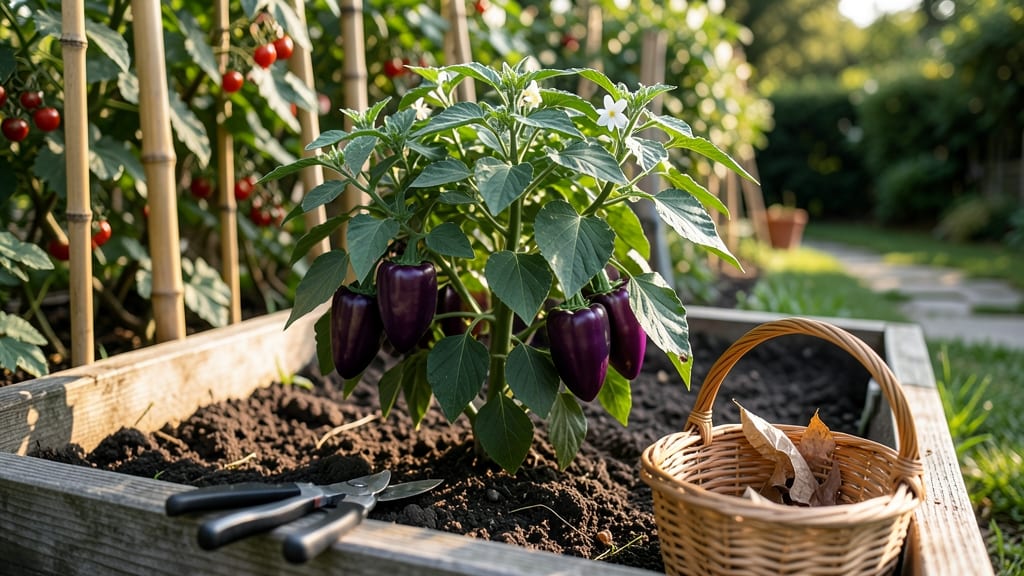
Purple peppers taste like a sweeter, milder version of red bell peppers with subtle earthy undertones and a faint floral note, offering a gentle crunch and juicy texture when fresh. Their flavor deepens as they ripen from green to purple, losing some acidity along the way.
Purple peppers get their distinctive flavor from the same natural pigments that give them their color—anthocyanins—which also contribute to their unique sweetness. 🌿 Unlike their green counterparts, which can taste grassy or bitter, purple peppers develop a complex balance of sugar and mild earthiness as they mature.
The floral hints become more pronounced when cooked, making them a standout ingredient in dishes where you want subtle depth without heat. I've noticed that organic or heirloom varieties often have the most pronounced flavor, thanks to their slower growth and richer soil exposure.
What makes purple peppers particularly interesting is how their taste evolves throughout the cooking process. When raw, they offer a crisp bite with a bright, almost honey-like sweetness that pairs beautifully with tangy dressings or creamy cheeses like goat cheese.
But when roasted or sautéed, those earthy undertones come forward, creating a rich, almost umami quality that works well in stews or as a base for homemade sauces. The key is to use them at their peak ripeness—when they're fully purple but still firm to the touch.
💡 In This Article
- How Purple Peppers Develop Their Unique Flavor
- Best Culinary Uses for Purple Pepper Flavor
How purple peppers develop their unique flavor
The transformation from green to purple isn't just a color change—it's a biochemical symphony that alters the pepper's flavor profile. As purple peppers ripen, chlorophyll (responsible for green color) breaks down while anthocyanins—water-soluble pigments—accumulate, creating that signature deep purple hue.
These anthocyanins aren't just about color; they contribute to the pepper's natural sweetness by interacting with sugars that develop during ripening, typically increasing by 15-25% compared to green peppers. 🌱
What's fascinating is how temperature and sunlight influence this process. Peppers grown in cooler climates with 10-12 hours of direct sunlight daily develop more complex flavors because the slower ripening allows sugars to concentrate further.
The earthy undertones come from compounds like aldehydes and ketones that form during photosynthesis, while the floral notes develop from trace volatile compounds like linalool—similar to what you'd find in lavender. This is why heirloom varieties often taste more nuanced than commercial ones.
Acidity plays a crucial role too. Green peppers contain more malic acid (giving that tart edge), but as they ripen to purple, this acidity drops by 30-40%, making them naturally sweeter.
The pH shifts from around 5.5-6.0 in green peppers to 6.0-6.5 in purple ones, which is why they pair so well with rich, fatty ingredients that balance their inherent sweetness without clashing. This biochemical dance explains why purple peppers taste like a refined version of their red counterparts.
Texture also evolves during ripening. The cell walls become more pliable due to enzyme activity, giving fresh purple peppers that signature juicy crunch that's less pronounced in fully red peppers.
When cooked, this moisture release enhances their natural sweetness through caramelization—think of how roasting brings out the honey-like notes that make them perfect for stuffing or grilling.
The key is to use them when they're fully purple but still firm to the touch, as overripe peppers can become mealy and lose their vibrant flavor.
Consider this comparison: A green bell pepper might have 5-7 grams of sugar per 100 grams, while a ripe purple pepper can reach 8-10 grams—that's the difference between a tart apple and a ripe pear.
The anthocyanins also act as natural antioxidants, which some studies suggest may enhance the pepper's subtle umami qualities when cooked. This is why purple peppers often shine in dishes where you want depth without heat—like in creamy dips or as a garnish for seafood.
For home gardeners, the growing conditions matter more than you might think. Peppers grown in nutrient-rich soil with adequate potassium develop more pronounced sweetness, while those in nitrogen-heavy soil may taste blander.
The purple hue itself is a visual cue that the pepper has reached peak flavor—so when you see that deep color, you're getting a pepper that's ready to deliver its full sensory experience. 💫