
Planting
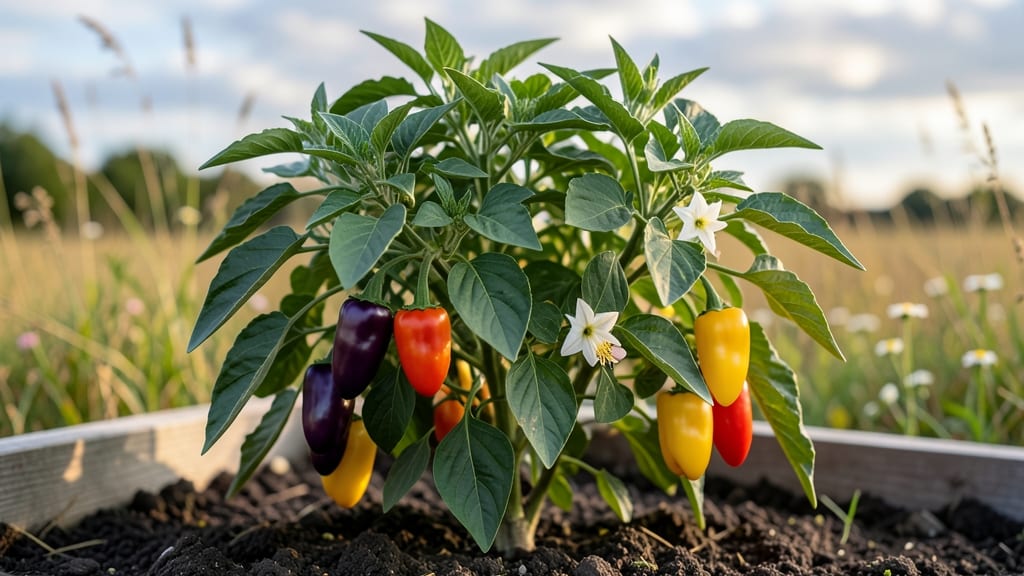
Growing rainbow pepper plants turns a tiny corner of your garden into a vibrant, productive powerhouse. 🌈 These colorful beauties aren't just showstoppers—they produce sweet, crunchy peppers in shades from yellow to deep red, all from the same plant.
My first harvest yielded enough peppers to share with neighbors, and I hadn't even planned for it!
Start with well-draining soil rich in organic matter and a sunny spot that gets at least 6-8 hours of sunlight daily. Pole training saves space—just tie vines to a sturdy trellis as they grow, and watch those peppers climb upward instead of sprawling.
Water consistently to keep the soil moist but never soggy, and fertilize lightly every 4-6 weeks with a balanced organic fertilizer.
By midsummer, you'll see clusters of tiny flowers that eventually turn into those stunning rainbow fruits. The key to continuous harvests is pruning—remove any suckers (those little shoots in the leaf axils) to direct energy to fruit production.
With proper care, a single plant can produce 50+ peppers over the season, and the colors keep changing as they ripen!
These peppers thrive in containers too, making them perfect for balconies or small patios. Just ensure your pot is at least 12 inches deep and wide enough to support the plant's growth.
The best part? They're equally at home in garden beds or vertical spaces—just give them consistent care, and they'll reward you with a harvest that's as beautiful as it is delicious.
📚 In This Guide
- What you need
- Instructions
- Tips and common mistakes
- Wrapping up and next steps
What you need
- ● Rainbow pepper seeds – 3-5 seeds (or young seedlings if starting from store-bought plants). Opt for heirloom or hybrid varieties like 'Rainbow Mix' or 'Colorado Rainbow' for vibrant colors.
- ● 5-gallon grow bags or large containers – 1 per plant. Ensure they have drainage holes (or drill them yourself!).
- ● High-quality potting mix – 1 bag (1-2 cubic feet). Use a well-draining blend with compost or aged manure for nutrients.
- ● Pole or trellis system – 1 per plant. A 6-8 ft tall bamboo stake, metal cage, or sturdy wooden post works best. Secure with soft ties or twine.
- ● Balanced fertilizer – 5-10-10 or organic option like fish emulsion. Start with a half-strength dose when seedlings are 4-6 inches tall.
- ● Watering can or hose with a gentle nozzle – Keep soil consistently moist (not soggy) during the growing season.
- ● Pruning shears – For trimming excess foliage or shaping the plant.
- ● Garden gloves – Protects hands from thorns and dirt.
- ○ Mulch (optional) – Straw or wood chips to retain moisture and suppress weeds.
- ○ Shade cloth (optional) – 30-50% coverage for hot climates to prevent stress.
- ○ Plant supports (optional) – Soft ties or Velcro strips to gently secure vines to the pole.
Step-by-step guide to growing pole-trained rainbow pepper plants
Here's how to train vibrant rainbow peppers vertically for maximum yield in tight spaces.
🪴 Step 1: Select and Prepare Your Growing Containers
Use 5-gallon fabric pots or 12-inch deep containers with drainage holes for each plant. I like fabric pots because they prevent root circling and allow excess water to evaporate faster, which peppers hate. Fill each container with 3 gallons of well-draining potting mix (never garden soil—it compacts and suffocates roots).
Tap the container gently to settle the soil, then press down lightly with your fingers to create a firm but not compacted surface. This ensures roots establish quickly. Add a 2-inch layer of compost mixed into the top 4 inches of soil—peppers are hungry plants and need steady nutrients. Water the mix until it's evenly moist but not soggy before planting.
🌱 Step 2: Plant Transplants and Install Support Poles
Plant one pepper transplant per container, burying the stem up to the first set of true leaves. Peppers are surprisingly forgiving when planted deep—the extra stem buried will grow roots and strengthen the plant. Immediately after planting, drive a 5-foot tall bamboo stake or metal trellis pole into the container next to each plant.
Tie the main stem to the pole using soft plant ties or strips of old T-shirt fabric (avoid wire—it cuts into stems). Space plants 18 inches apart if growing multiple in a row. Keep the soil consistently moist for the first 2 weeks—you'll see new growth within a week if moisture is right, but don't let it stay waterlogged.
☀️ Step 3: Provide Optimal Light and Prune for Vertical Growth
Rainbow peppers need 6-8 hours of direct sunlight daily. If growing indoors, place near a south-facing window or use a grow light positioned 12 inches above the plants. You'll know they're getting enough light when leaves are dark green and compact—not pale or stretching toward the light.
When plants reach 12 inches tall, begin pruning side shoots that form in leaf axils. Remove these suckers by pinching them off with your fingers—this redirects energy to the main stem and fruit production. Leave only the top 3-4 leaves before the first flower cluster to encourage upward growth. This vertical training prevents sprawling and maximizes fruit production in small spaces.
💧 Step 4: Water and Fertilize for Continuous Harvesting
Water at the base of the plant every 2-3 days until top inch of soil feels dry. Peppers are drought-sensitive—wilting causes blossom end rot, which ruins fruit. I use a balanced 10-10-10 fertilizer every 4-6 weeks to maintain steady growth. Switch to a low-nitrogen, high-phosphorus fertilizer when flowers appear to boost fruiting.
Rotate the containers a quarter turn weekly so all sides get even light. You'll see the first flowers appear in 6-8 weeks—these will develop into your colorful rainbow peppers. Harvest peppers when they reach 3-4 inches long for the best flavor, or leave them on the plant until fully mature for larger fruits. Regular harvesting encourages more production.
✂️ Step 5: Maintain and Extend the Harvest Season
As peppers mature, continue tying the main stem to the pole every 12 inches to support upward growth. Remove any yellow or diseased leaves immediately—they spread problems fast. When night temperatures drop below 55°F, move containers indoors to a sunny window or under grow lights to extend the harvest.
This pole-training method gives you 4-5 times more peppers per square foot than bush plants. I've grown rainbow peppers this way in balconies, patios, and even sunrooms—just keep them warm and well-lit. With consistent care, you'll enjoy a continuous harvest from summer through fall, and sometimes into winter with proper lighting.
Tips & tricks for pole-trained rainbow pepper plants
Here's what I've learned to maximize those vibrant peppers in tight spaces—no sprawling messes here!
Container Selection: Fabric pots are my favorite because they prevent root circling and allow excess water to evaporate faster, which peppers absolutely hate. If you're using traditional pots, make sure they have drainage holes—peppers will develop root rot if they sit in soggy soil. The 5-gallon size gives roots plenty of room to grow without becoming root-bound, which is crucial for those first 6-8 weeks of establishment.
Pruning Strategy: When your plants reach 12 inches tall, focus on removing those side shoots (suckers) that form in the leaf axils. I like to pinch them off with my fingers—it's faster than using scissors and prevents any accidental damage to the main stem. Leaving just the top 3-4 leaves before the first flower cluster helps direct all that energy upward, where we want it for fruit production. This vertical training isn't just about space—it's about creating a stronger, more productive plant.
Light Optimization: Those 6-8 hours of direct sunlight are non-negotiable for rainbow peppers. If you're growing indoors, position your grow light 12 inches above the plants and keep it on for 12-14 hours daily to mimic natural daylight. I notice the biggest difference in leaf color and plant vigor when I maintain this light schedule consistently. Dark green, compact leaves mean your peppers are getting exactly what they need.
Harvest Timing: The 3-4 inch size is perfect for harvesting rainbow peppers at their peak flavor. I've found that harvesting at this stage encourages the plant to produce more fruit continuously throughout the season. If you leave them too long, they'll grow larger but often lose some of that vibrant color and sweetness. Plus, regular harvesting prevents the plant from becoming overloaded with fruit, which can stress it out.
Pro Tips for Rainbow Pepper Plant
- Here's what I've learned to maximize those vibrant peppers in tight spaces—no sprawling messes here!
- Container Selection: Fabric pots are my favorite because they prevent root circling and allow excess water to evaporate faster, which peppers absolutely hate.
- Pruning Strategy: When your plants reach 12 inches tall, focus on removing those side shoots (suckers) that form in the leaf axils.
Frequently asked questions
Got questions about growing rainbow pepper plants?
You’re not alone! Here are answers to the most common queries—from spacing to pests and everything in between.
How close can I plant rainbow pepper plants together?
Space them 18–24 inches apart in rows 2–3 feet apart. If growing in containers, use 5-gallon pots or larger with at least one plant per pot. Overcrowding reduces airflow, increasing disease risk. Pole-trained varieties can share stakes or trellises to save space!
When do rainbow peppers ripen, and how long does it take?
Expect 70–90 days from transplant to harvest for most varieties. Colors progress from green to red, orange, yellow, and purple—so pick early for green peppers or wait for full color. Pro tip: Harvest consistently to encourage more fruit!
What pests or diseases should I watch for, and how do I prevent them?
Common issues include aphids, spider mites, and powdery mildew. Use neem oil or insecticidal soap for pests, and ensure good airflow to prevent mildew. Rotate crops yearly and avoid overhead watering. Pro tip: Companion plant with basil or marigolds to deter pests!
Can rainbow peppers grow in containers, and what’s the best soil mix?
Yes! Use well-draining potting mix with added compost or coconut coir. A 5-gallon container per plant works best. Ensure pots have drainage holes and place them in full sun (6+ hours/day). Pro tip: Add a slow-release fertilizer at planting for steady growth!
Are rainbow peppers hotter than regular bell peppers?
Not necessarily! Rainbow peppers are sweeter and milder than hot varieties but can vary slightly by color. Some purple or yellow types may have a mild heat (500–1,000 SHU). Taste-test early harvests to gauge spice level. Pro tip: Use them fresh in salads or roast for a smoky flavor!
Wrapping up and next steps
Growing rainbow pepper plants on a pole isn’t just space-smart—it’s a rewarding way to harvest vibrant, homegrown peppers year after year! 🌈 With the right setup, you’ll enjoy bountiful yields in even the coziest gardens or balconies.
Whether you’re a seasoned gardener or just starting, this method makes pepper cultivation fun, efficient, and delicious.
Ready to transform your small space into a pepper paradise? Start by gathering your supplies, follow the pole-training steps, and soon you’ll be savoring fresh, colorful peppers straight from your garden. Happy planting! 🌱