
Picking
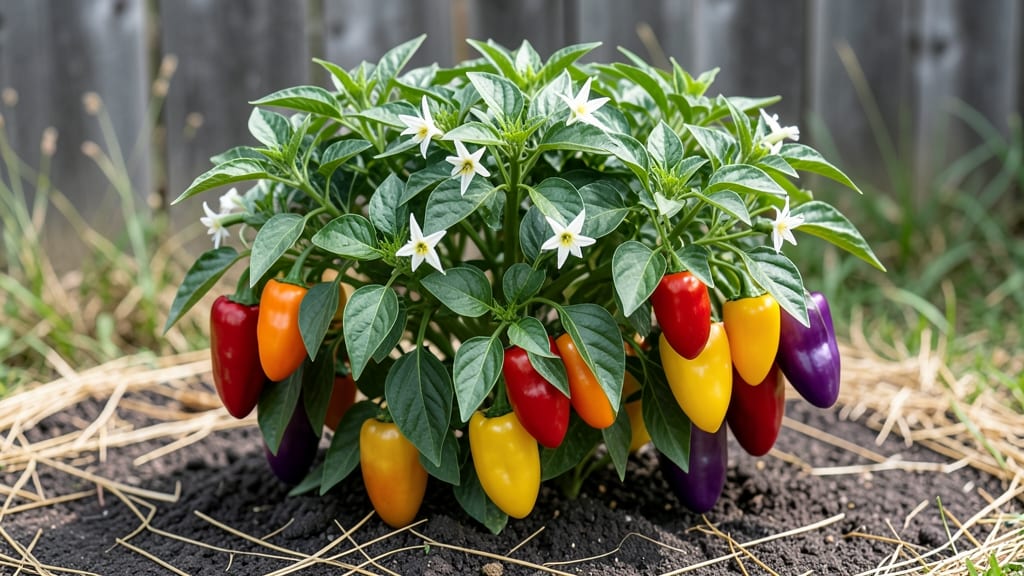
Growing Sangria ornamental pepper from seed to pole-trained glory in just 55 days is the fastest way to add bold color and heat to your garden. 🌶️ I’ve watched these fiery beauties transform from tiny seedlings into a 6-foot-tall vertical display of deep red, purple, and orange peppers—each one packed with a mild, spicy kick.
The secret? Pole training turns this usually bushy plant into a dramatic, space-saving statement piece that keeps giving through frost.
Start with well-draining soil and a sunny spot (at least 6-8 hours of direct sun), then give your seedlings a 5-foot-tall stake by transplant time. Water consistently but avoid soggy soil—these peppers hate wet feet—and fertilize lightly every 3-4 weeks once flowers appear.
The real magic happens when you prune aggressively: pinch off early flowers to encourage bushier growth, then train vines upward with soft ties. By mid-summer, you’ll have a living lantern of peppers that double as edible spice and striking decor.
What makes Sangria special? The peppers stay vibrant longer than most varieties, and the plant’s heat tolerance means it thrives even when temps hit 90°F. Harvest peppers at any size—they’re great fresh, dried, or in spice blends—and save seeds for next year.
For extra drama, mix in purple basil or golden nasturtiums at the base. The contrast is showstopping, and you’ll get compliments (and maybe a few recipe requests) all season long.
Even if you’ve killed peppers before, this one’s beginner-friendly—just don’t overwater, and give it room to climb. Advanced growers can experiment with succession planting for continuous harvests or try growing it in containers for patios.
Either way, you’ll end up with a garden centerpiece that’s as useful as it is beautiful. Ready to grow yours?
📚 In This Guide
- What you need
- Instructions
- Tips and common mistakes
- Wrapping up and next steps
What you need
- ● Sangria ornamental pepper seeds or seedlings – 1–3 plants (check seed packets for variety specifics).
- ● Well-draining potting mix – 10–15 lbs (for containers) or enrich garden soil with compost (for in-ground planting).
- ● Containers or garden bed – 5–7 gallon pots (if container-grown) or a sunny, well-drained garden spot (6+ hours of sunlight daily).
- ○ Pole or trellis (optional but recommended) – 6–8 ft tall bamboo stakes, metal poles, or a sturdy trellis (for pole training).
- ● Balanced fertilizer – 10-10-10 or organic option (e.g., fish emulsion) for transplanting and mid-season feeding.
- ● Sturdy plant ties or soft twine – 3–5 ft rolls (to secure vines to the pole).
- ● Watering can or hose with gentle spray nozzle – For consistent moisture without overwatering.
- ○ Gloves (optional) – To protect hands from prickly stems.
- ● Pruning shears – Small, sharp pair for trimming excess foliage or dead leaves.
- ○ Mulch (optional) – Straw or shredded leaves to retain soil moisture.
- ● Sunlight access – Full sun (6+ hours daily) is a must for vibrant colors and heat!
- ● Patience (and a sense of humor!) – These peppers are slow to mature but worth every wait.
Step-by-Step guide to pole-training sangria ornamental peppers
Transform your patio into a vibrant vertical garden with these bold, heat-loving peppers.
🌱 Step 1: Start Seeds Indoors for Early Growth
Sangria peppers thrive when started indoors 6-8 weeks before last frost—this gives them a 55-day head start to maturity. Fill 2-3 inch deep seed trays with sterile seed-starting mix (never garden soil) and plant seeds ¼ inch deep, spacing them 1 inch apart. I like to use biodegradable pots so I can transplant without disturbing roots later.
Keep the soil consistently moist but not soggy—bottom watering (placing trays in shallow water) prevents fungal issues. Cover with a humidity dome or plastic wrap until germination, which typically occurs in 7-10 days at 75-85°F. Once sprouts emerge, remove the cover immediately to prevent damping-off. You’ll know it’s time when first true leaves (not the initial seed leaves) appear.
☀️ Step 2: Provide Strong Light and Prune for Bushiness
Sangria peppers need 12-14 hours of bright light daily—a south-facing window works, but most homes lack sufficient intensity. Supplement with a grow light positioned 2-4 inches above the plants. Without enough light, stems stretch leggy and weak. I raise the light as plants grow to maintain that distance.
When seedlings reach 4-6 inches tall, pinch off the top set of leaves to encourage branching. This creates a bushier plant that supports more fruit later. Watch for yellowing lower leaves—this signals overwatering or poor drainage. Adjust watering to every 2-3 days when the top inch of soil feels dry.
🪴 Step 3: Transplant and Train on Poles
After hardening off (gradually exposing plants to outdoor conditions for 10-14 days), transplant seedlings 12-18 inches apart into a well-draining potting mix in 5-gallon containers or garden beds. Install 5-6 foot tall bamboo stakes or trellises near each plant. Tie the main stem loosely to the pole with soft plant ties as it grows—this prevents stem damage.
Here’s the trick: prune side shoots to 3-4 leaves when they appear. This redirects energy to the main stem and fruit production. You’ll see vibrant red, orange, and yellow peppers forming along the vine by day 40. If peppers fall off, your plant is either overcrowded or underwatered—adjust spacing or watering immediately.
✂️ Step 4: Maintain Pole Structure and Harvest for Color
As the plant climbs, tie the vine every 12 inches to the pole to keep it upright. Remove any suckers (small shoots in leaf axils) to maintain airflow and prevent disease. By day 50, your Sangria pepper should be 6 feet tall with peppers in every color stage—this is the showstopper of ornamental peppers!
Harvest peppers when they reach full color (typically 60-70 days after transplanting). Use clean pruners to snip stems—this encourages more blooms. Store harvested peppers in a cool, dry place for up to 2 weeks. If peppers split or crack, your plant is thirsty—water deeply 2-3 times weekly during hot spells.
🌿 Step 5: Extend the Season with Winter Care
After the first frost, cut back the vine to 6 inches tall and move the pot indoors to a sunny window or under grow lights. Reduce watering to every 7-10 days—overwatering in winter causes root rot. Fertilize lightly with a balanced 10-10-10 mix every 4-6 weeks to keep the plant healthy for next season.
This is the moment that matters: save seeds from your best peppers by fermenting them in water for 3-5 days, then drying on paper towels. Store in a cool, dark place until next spring. Your Sangria pepper will reward you with bold color, heat, and flavor—year after year.
Tips & tricks for growing pole-trained sangria peppers
Here's what nobody tells you about growing these stunning peppers that'll make all the difference.
Germination Strategy: The 75-85°F temperature range for germination is critical—don't be tempted to use a heat mat above 85°F or you risk damping-off. I've found that placing seed trays on top of my refrigerator (which stays around 80°F) works perfectly without requiring extra equipment. Once germination occurs, maintain consistent moisture by bottom-watering only—this prevents fungal diseases that can kill seedlings before they even get their first true leaves.
Lighting Hack: For that 12-14 hours of bright light requirement, I use a simple LED grow light on a timer. Position it 2-4 inches above the seedlings and adjust as they grow. Here's the trick: if you notice stems stretching toward the light (called "etiolation"), you're not close enough—lower the light immediately. This prevents those weak, leggy plants that struggle to support themselves later.
Pruning Precision: When pruning side shoots to 3-4 leaves in Step 3, use clean scissors or your fingers to pinch them off at the base. I've learned the hard way that leaving even a tiny bit of stem can lead to regrowth that competes with your main plant. Also, always prune in the morning—this gives the plant time to recover before evening. The goal is to redirect all that energy to fruit production rather than bushy growth.
Pole Training Pro Tip: For the 5-6 foot tall bamboo stakes, I recommend using two stakes per plant positioned at opposite corners. This creates a natural "V" shape that provides better support as the vine grows. When tying the main stem, use soft plant ties and loosen them every few days—they'll tighten as the plant grows, but you don't want to strangle the stem. This method has kept my plants upright even in windy conditions.
Pro Tips for Sangria Ornamental Pepper
- Here's what nobody tells you about growing these stunning peppers that'll make all the difference.
- Germination Strategy: The 75-85°F temperature range for germination is critical—don't be tempted to use a heat mat above 85°F or you risk damping-off.
- Lighting Hack: For that 12-14 hours of bright light requirement, I use a simple LED grow light on a timer.
Frequently asked questions
Got questions about growing your own sangria ornamental pepper? You’re not alone! Here are some of the most common queries—plus quick, practical answers to help you grow bold, fiery peppers with ease.
How long does it take for sangria peppers to mature?
With the right care, sangria ornamental peppers typically mature in 55–75 days from transplanting. Pole training (as covered in this guide) speeds up ripening by improving air circulation and sunlight exposure. Start seeds indoors 8–10 weeks before your last frost for a head start!
Why aren’t my sangria peppers changing color?
Color shifts from green to sangria’s signature deep red-orange depend on sunlight, warmth, and maturity. If peppers stay green, check for:
- Insufficient sunlight (aim for 6+ hours daily).
- Cool temps (below 70°F/21°C slows ripening).
- Overwatering (keep soil evenly moist, not soggy).
Can I grow sangria peppers in containers?
Sangria peppers thrive in 5-gallon containers or larger with well-draining soil. Use a mix of potting soil and compost, and place containers in a sunny spot. Add a trellis or cage to support pole training. Just ensure containers have drainage holes to prevent root rot.
Are sangria peppers edible, and how spicy are they?
Yes! While prized for their striking color, sangria peppers are mildly sweet with a subtle heat (around 500–1,000 SHU). They’re great for salsas, pickling, or fresh snacking. Harvest when fully colored for the best flavor. Pro tip: Wear gloves when handling—their skin can stain!
What pests should I watch for with sangria peppers?
Common pests include:
- Aphids (squish or spray with soapy water).
- Spider mites (thrives in dry heat—keep plants hydrated).
- Fruitworms (handpick or use row covers early).
Wrapping up and next steps
Growing sangria ornamental peppers is a rewarding journey that brings bold flavors, vibrant colors, and a sense of accomplishment in just 55 days!
Whether you're a beginner or a seasoned gardener, these striking peppers add beauty and heat to your garden—and your plate. Now that you’re armed with the right tips, why not try growing your own this season?
Start by picking a sunny spot, gathering your supplies, and let these fiery beauties transform your space into a lively, edible masterpiece. 🌱✨