
How To
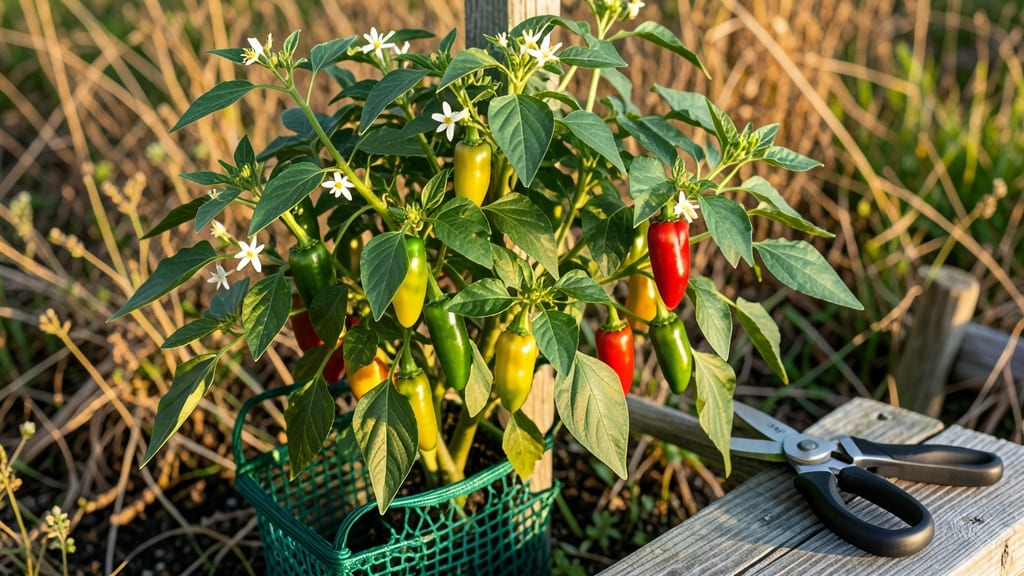
Knowing when to pick serrano peppers is the difference between explosive heat and a bland bite—because green peppers pack a fraction of the fire you’re growing them for.
Picture this: you’ve nurtured your 🌶️ serrano plants all season, and now the peppers are changing color. But pick too early, and you’ll miss the peak Scoville heat (up to 23,000 SHU when fully ripe). Too late, and they turn bitter or mealy. Timing matters more than you think.
In this guide, I’ll break down the three color-stage triggers that tell you it’s harvest time—from the first hint of red to the perfect firmness—plus how sunlight, temperature, and even your thumb can help you nail it every time.
You’ll also learn the common mistakes that waste your harvest (like ignoring the stem test) and how to store your peppers to keep that bold, tangy heat for months. Let’s get those peppers off the plant when they’re at their best.


Serrano pepper ripening stages by color: when heat peaks & flavor develops
Serrano peppers are one of the hottest garden peppers you can grow, but their heat level and flavor complexity change dramatically as they ripen.
Understanding the color progression—from green to red to orange/brown—helps you pick them at the perfect moment for maximum Scoville heat (10,000–23,000 SHU) and bold, fruity notes. Each stage offers a different experience, so let’s break it down.
When serrano peppers first appear, they’re bright green and firm, but this is the least flavorful stage. At this point, they’re still building sugars and capsaicin, meaning lower heat and a more grassy, vegetal taste.
Many gardeners harvest green serranos for pickling or cooking, but if you’re after peak heat, wait for the color shift. The key is watching for subtle changes in skin texture and color intensity.
| Stage | Color | Scoville Heat (SHU) | Flavor Profile | Harvest Cue |
|---|---|---|---|---|
| Green (Immature) | 🟢 Bright green | 10,000–15,000 SHU | Grassy, mild heat | Firm, glossy skin |
| Red (Optimal) | 🔴 Vibrant red | 15,000–23,000 SHU | Fruity, smoky, peak heat | Slightly soft, glossy |
| Orange/Brown (Overripe) | 🟠🟤 Dull orange/brown | 12,000–18,000 SHU | Bitter, reduced heat | Wrinkled, dull skin |
The red stage is where serrano peppers hit their peak heat and flavor complexity. At this point, the Scoville rating jumps to 15,000–23,000 SHU, delivering that signature fruity, slightly smoky kick.
The peppers will also feel slightly softer under gentle thumb pressure, and their skin may develop a glossy sheen. This is the sweet spot for fresh eating, drying, or making hot sauces where you want maximum heat and depth.
If you miss the red stage, serranos transition to orange or brown, signaling they’re overripe. While they may still pack some heat (12,000–18,000 SHU), their flavor often becomes bitter or dull.
The skin may wrinkle, and the peppers can even split open if left too long on the plant. Overripe serranos are best used in cooked dishes where bitterness is masked, but they won’t deliver the same punch as their red counterparts.
One pro tip for gardeners: pay attention to the stem end. When serranos are ready, the stem will start to separate easily from the plant with a slight twist.
This is your cue to act fast—ripe serranos can go from perfect to overripe in just 24–48 hours, especially in hot weather. If you’re growing multiple plants, check them every 1–2 days during peak ripening season (usually July–September in most climates).
Temperature also plays a role in ripening. Serrano peppers ripen faster in hot, sunny conditions (ideal: 75–85°F), but they may struggle to develop full color in cooler weather. If your summer is mild, consider using a black plastic mulch to warm the soil and speed up ripening.
Just avoid letting the soil dry out completely, as stress can stall color development and reduce heat levels.
For the best results, harvest serranos in the morning when temperatures are cooler. This helps preserve their freshness and heat longer. Store them in a paper bag in the fridge for up to 2 weeks, or dry them in a well-ventilated area to intensify their flavor and heat.
Dried serranos can last for months and are perfect for adding to spice blends or homemade hot sauces.
Remember, the color change is your best friend when picking serranos. Don’t rush it—wait for that vibrant red glow to ensure you’re getting the hottest, most flavorful peppers your garden can produce. Patience pays off with every bite! 🌶️
3 Critical triggers to harvest serrano peppers at perfect ripeness
Timing your serrano pepper harvest is an art—one wrong move, and you’ll lose that signature heat and bright flavor that makes these peppers so prized.
Unlike bell peppers, serranos pack a punch when harvested at the right moment, and missing that window means bitter, watery peppers that won’t deliver the Scoville heat you crave. I’ve learned the hard way: waiting too long turns them mushy, while picking too early means bland, underripe pods.
The secret lies in three key triggers: finger pressure, stem separation, and weather cues. These signals work together to tell you when your peppers are at their peak—firm, glossy, and bursting with flavor.
Ignore them, and you’ll end up with peppers that lack the complexity and spice intensity that define serranos. Let’s break down how to spot these triggers like a pro.
🌶️ 3 Critical Triggers for Perfect Serrano Pepper Harvest
- 1. Finger Pressure Test: Press gently—if the skin gives slightly (like a ripe avocado), it’s ready. No give = too firm, too much = overripe.
- 2. Stem Separation: Twist the pepper at the stem—it should snap cleanly without tearing. A stubborn stem means wait 2-3 days.
- 3. Weather & Color: Harvest before a hard frost (32°F) or when peppers shift from green to red/orange. Overripe peppers lose heat and flavor fast.
First, the finger pressure test is your best friend. Serrano peppers should feel firm but slightly yielding when you press them gently with your thumb. Think of it like testing a ripe tomato—if it’s rock-hard, it’s not ready, and if it’s mushy, you’ve waited too long.
I always test a few peppers from different plants to account for variations in ripening. Pro tip: Do this in the morning when peppers are coolest and firmest.
Next, pay attention to the stem separation. A ripe serrano pepper’s stem should break away cleanly when you twist it gently. If the stem resists or tears the pepper, it’s not ready yet.
This trick saves you from accidentally damaging the plant while harvesting. I’ve found that serranos grown in containers often ripen faster, so I check stems more frequently in pots than in garden beds.
Finally, weather conditions play a huge role. Serrano peppers are heat-lovers, and their flavor peaks when temperatures stay between 70°F and 85°F. If a cold snap is coming, harvest your peppers immediately, even if they’re not fully colored.
Overripe peppers exposed to frost turn mealy and lose their Scoville heat. I once left my harvest too late during a sudden drop to 45°F, and the peppers became unrecognizable—soggy and bland. Don’t let that happen to you!
One common mistake I see is harvesting serranos based on color alone. While green peppers are edible, they lack the depth of flavor and heat intensity of their red or orange counterparts.
The color shift from green to red signals a sugar increase and a boost in capsaicin, which is what gives serranos their kick. But here’s the catch: overripe peppers (deep red or wrinkled) lose heat and develop a bitter aftertaste. Balance is key!
To maximize your harvest, I recommend picking serranos every 2-3 days once they start ripening. This encourages the plant to produce more peppers and keeps them at peak flavor. Store freshly picked serranos in the fridge for up to a week, or dry them for long-term storage.
Just remember: the sooner you use them, the more heat and flavor they’ll retain. Now grab your gloves and get harvesting—your taste buds will thank you!