
Picking
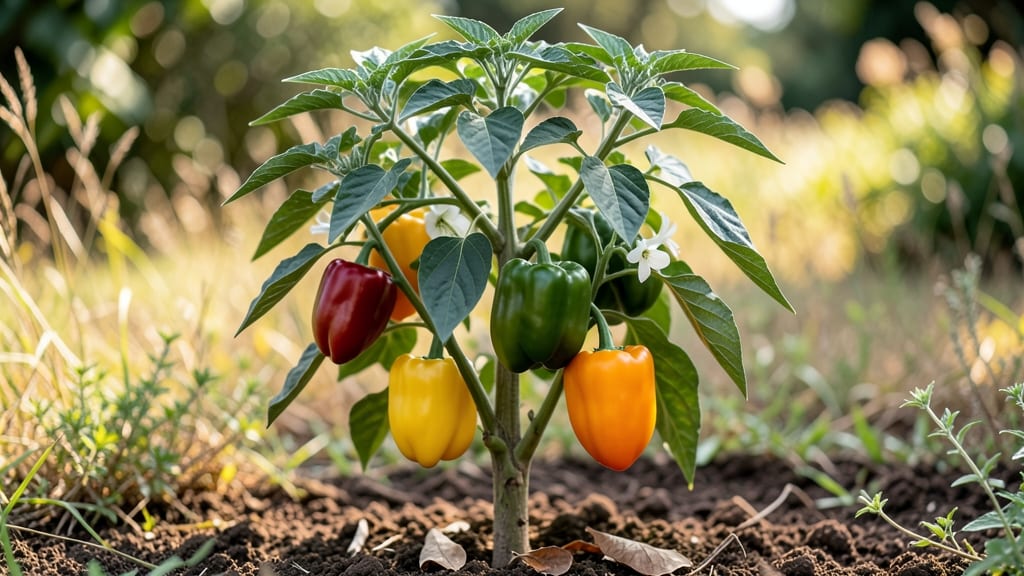
Growing sweet pepper fruit that tastes like candy from seed to table in just 55 days is the fastest garden victory you'll ever taste. 🌱 The secret isn't fancy equipment—it's matching their love of heat to your growing season, and I'll show you exactly how to do it without the guesswork that leads to bitter, undersized peppers.
Start with seeds in warm soil after your last frost, and keep them in a spot that bakes under the sun for at least 6-8 hours daily.
Most gardeners overwater these thirsty plants, but I've found the real trick is letting the top inch dry between drinks—too much moisture turns sweetness sour. A balanced fertilizer every 3 weeks keeps them producing like clockwork.
By mid-summer, you'll be snapping off peppers that burst with flavor—red, yellow, or orange, depending on the variety. The first harvest is always the sweetest reward, and with proper care, you'll keep getting them until frost. My 5-pound harvest last year proved even small spaces can deliver big results.
Whether you're growing in raised beds, containers, or straight in the ground, this method adapts easily. The only real mistake is waiting too long to plant—so let's get those seeds going while it's still warm enough to avoid stunted growth.
📚 In This Guide
- What you need
- Instructions
- Tips and common mistakes
- Wrapping up and next steps
What you need
- ● Sweet pepper seeds: Choose fast-maturing varieties like Early California Wonder or Sweet Banana (1 pack or 50+ seeds).
- ● Seed-starting mix: 10–15 lbs of sterile, well-draining potting soil (avoid garden soil).
- ● Containers: 2–3 small seedling pots (4–6 inches wide) or a seed tray with cells.
- ● Grow lights or sunny windowsill: A 12–16 hour daily light source (LED grow lights work great).
- ● Fertilizer: Balanced liquid fertilizer (10-10-10 or 5-5-5) for seedlings and transplanting.
- ● Transplant containers: 1–2 gallon pots or garden beds with at least 12–18 inches of space per plant.
- ● Mulch: Straw or shredded leaves (2–3 inches thick) to retain moisture and suppress weeds.
- ● Spray bottle: For gentle watering during germination.
- ● Hand trowel: For transplanting seedlings.
- ● Pruning shears: To trim excess foliage or dead leaves.
- ○ Gloves (optional): For handling prickly plants or soil.
- ○ Thermometer (optional): To monitor soil temperature (ideal: 70–85°F for germination).
- ● Warmth: Sweet peppers thrive in temperatures above 60°F (15°C). Use a heat mat if starting indoors.
- ● Sunlight access: At least 6–8 hours of direct sunlight daily (or supplemental grow lights).
- ● Well-draining soil: Amend garden beds with compost for optimal growth.
- ● Patience: From seed to harvest, expect 55 days or less with the right care!
Step-by-step instructions for growing sweet peppers at home
Sweet peppers thrive with the right care—here’s how to coax those juicy fruits in just 55 days.
🌱 Step 1: Start Seeds Indoors for a Head Start
Sweet pepper seeds need warmth to germinate, so begin them indoors 8-10 weeks before your last frost date. Fill small seed trays with the seed-starting mix and press it down lightly—just firm enough to hold seeds in place. Plant seeds ¼ inch deep and cover with a thin layer of soil.
Keep the soil consistently moist but not soggy—use a spray bottle to avoid disturbing seeds. Place the trays in a warm spot, ideally 75-85°F, like on top of a refrigerator. Germination takes 7-14 days, so patience is key. Once sprouts appear, move them to a sunny windowsill or under grow lights for 14-16 hours of light daily.
☀️ Step 2: Transplant Seedlings Outdoors After Warmth Arrives
Wait until nighttime temperatures stay above 55°F before transplanting—sweet peppers hate cold. Harden off seedlings by placing them outdoors in a shaded spot for 1-2 hours daily over 7-10 days, gradually increasing their time outside. Choose a location with full sun (6+ hours daily) and well-draining soil.
Dig holes slightly larger than the seedling pots and space plants 18-24 inches apart in rows 2 feet apart. Gently remove seedlings from their containers, loosen the roots if they’re pot-bound, and plant them at the same depth they were growing indoors. Water deeply right after planting to help roots establish.
💧 Step 3: Water and Fertilize for Maximum Sweetness
Sweet peppers need consistent moisture—water 1-2 inches per week, keeping soil evenly damp but not waterlogged. Mulch around plants with 2-3 inches of organic mulch to retain moisture and suppress weeds. Avoid wetting the leaves when watering to prevent disease.
Feed plants with a balanced 10-10-10 fertilizer every 3-4 weeks once flowers appear. You’ll know they’re happy when they produce bright yellow or white flowers—these will turn into your sweet peppers. Pinch off any early blooms to encourage stronger plant growth first.
✂️ Step 4: Prune and Support for Bigger Harvests
Remove any suckers (side shoots) that form in the leaf axils to direct energy to fruit production. Use pruning shears to trim back leggy growth, keeping the plant bushy and compact. If your plants get top-heavy with fruit, install small stakes or cages and gently tie the stems to provide support.
Harvest peppers when they reach their full color—green, yellow, orange, or red—typically 55-70 days after transplanting. Use pruning shears or pinch them off at the stem to avoid damaging the plant. The sooner you harvest, the sooner new peppers will form, extending your harvest season.
🌿 Step 5: Extend the Season with Simple Care
To keep plants producing, remove any diseased or yellowing leaves promptly and avoid overwatering as the season cools. If frost threatens, cover plants with frost cloth or move potted peppers indoors to a sunny spot. With proper care, you can enjoy sweet peppers well into fall.
Save seeds from your best peppers for next year by allowing a few to fully ripen on the plant. Once they turn completely red (or their mature color), scoop out the seeds, rinse them, and dry them on a paper towel before storing in a cool, dark place.
Tips & tricks for perfect sweet pepper fruit
Real talk: Growing sweet peppers from seed to harvest is one of those rewarding projects that feels like magic when it works. Here's what nobody tells you—these small tweaks make all the difference between a decent harvest and a bountiful one.
Seed Starting Secret: The 75-85°F warmth requirement isn't just about speed—it's about consistency. I use a seedling heat mat ($20 game-changer) under my trays to maintain that perfect zone. Without it, germination can take twice as long or fail completely. Pro tip: Place a thermometer right in the soil to monitor—surface temps can be misleading.
Harden Off Gradually: Those 1-2 hours daily outside during hardening-off? Don't rush it. I've seen seedlings go into shock when moved too quickly. Start with just 30 minutes on day 1, then add 30 minutes each subsequent day. Watch for wilting—if you see it, they're not ready yet. This gradual approach builds resilience that pays off when summer heat arrives.
Fertilizer Timing: That 3-4 week feeding schedule is critical, but here's what I learned the hard way: Stop fertilizing 4-6 weeks before your first frost. Too much nitrogen late in the season leads to tender growth that won't survive cold snaps. Switch to a phosphorus-heavy fertilizer (like 5-10-10) in late summer to strengthen roots for winter.
Harvest Hack: The 55-70 day window is just a guideline—color is your real cue. For red peppers, wait until they're fully vibrant. Green peppers can be harvested earlier, but they'll never develop that sweetness. I use small scissors to snip stems cleanly, which prevents disease entry points and encourages more fruit production.
Pro Tips for Sweet Pepper Fruit
- Real talk: Growing sweet peppers from seed to harvest is one of those rewarding projects that feels like magic when i...
- Seed Starting Secret: The 75-85°F warmth requirement isn't just about speed—it's about consistency. I use a seedling ...
- Harden Off Gradually: Those 1-2 hours daily outside during hardening-off? Don't rush it. I've seen seedlings go into ...
Frequently asked questions
Got questions about growing and harvesting sweet peppers?
You’re not alone! Here are answers to the most common queries to help you cultivate the perfect crop.
How do I know when sweet peppers are fully ripe for picking?
Sweet peppers are ready to harvest when they’re firm, glossy, and vibrant in color—green, red, yellow, or orange, depending on the variety. For the sweetest flavor, wait until they’re fully colored (about 55–75 days after transplanting). Avoid picking underripe peppers—they won’t sweeten properly!
Can I pick sweet peppers too early, and will it affect future harvests?
Yes, picking peppers too early can stunt their growth and reduce sweetness. However, harvesting before full ripeness (e.g., green for storage) won’t permanently harm the plant—it’ll just produce fewer peppers later. Focus on consistency: pick every 3–5 days to encourage more blooms!
What should I do if my sweet peppers turn bitter or develop cracks?
Bitterness often stems from overmaturity or heat stress—pick them sooner next time! Cracks? Blame uneven watering or rapid growth. Keep soil moist (but not soggy) and mulch to stabilize temperatures. For cracked peppers, use them quickly in cooking—they’re still edible!
Can I grow sweet peppers in containers, and what’s the best setup?
Sweet peppers thrive in 5-gallon containers with well-draining soil and full sun (6+ hours/day). Use a balanced fertilizer (like 10-10-10) and support tall varieties with cages. Just ensure pots have drainage holes to prevent root rot—container-grown peppers can be just as productive!
What’s the best way to store harvested sweet peppers?
Store unripe peppers in the fridge for 1–2 weeks (they won’t ripen further). For ripe peppers, keep them at room temperature in a paper bag (to retain ethylene gas) for 5–7 days. Avoid washing until ready to use—they spoil faster when damp!
Wrapping up and next steps
Sweet peppers are a fast, rewarding, and delicious addition to any garden—packed with flavor, nutrition, and versatility! 🌱 Whether you're a beginner or a seasoned grower, their quick harvest time (just 55 days!) makes them a perfect choice for fresh, homegrown goodness.
With the right tools, patience, and a little care, you’ll soon be enjoying crisp, vibrant peppers straight from your backyard.
Ready to level up your harvest? Start by experimenting with different varieties or sharing your first homegrown pepper with friends and family. Happy growing—your taste buds (and dinner plate) will thank you! 🍽️✨