
Vegetables
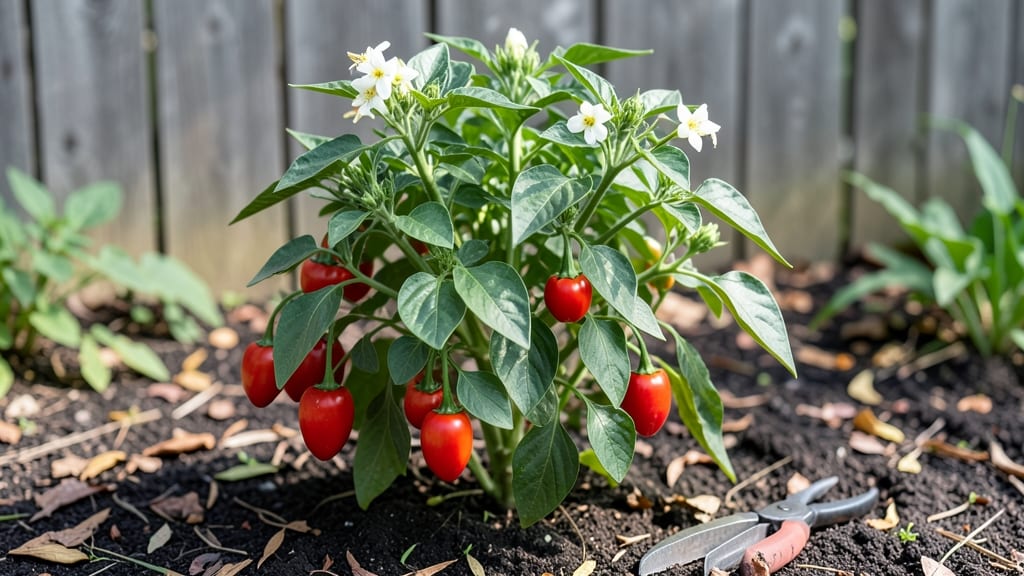
Sweet red pepper drops are the secret weapon for small-space gardeners who want bold, sweet harvests without sprawling vines. 🌱 I learned the hard way that letting these plants flop on the ground leads to poor fruit quality and missed harvests—until I added simple trellises.
The difference in size, flavor, and ease of picking is night and day.
You’ll need just a few supplies: 5-foot tall stakes or trellis netting, a 5-gallon container (or garden bed), and well-draining potting mix. Sweet red peppers crave full sun (6+ hours daily) and consistent moisture, but they hate soggy roots.
The pole support keeps them upright, improves air circulation, and makes harvesting a breeze—no more bending over or missing hidden peppers.
Once planted, your peppers will climb the poles within weeks, producing larger, sweeter fruits than ground-planted varieties. The first harvest arrives in 75-90 days, and with proper care, you’ll get a steady supply all season.
No more struggling with sprawl or blight-prone foliage—just neat, productive plants that yield until frost.
This method works for balconies, patios, or small garden corners. Even if you’ve had pepper failures before, the pole-supported approach makes it foolproof for beginners. Let’s get those vines climbing!
📚 In This Guide
- What you need
- Instructions
- Tips and common mistakes
- Wrapping up and next steps
What you need
- ● Sweet Red Pepper Seeds (e.g., 'Lunchbox,' 'Apache,' or 'Lipstick'): 3-5 seeds per plant (start indoors or buy young plants).
- ● Pole-Support System: 3-4 bamboo stakes (5-6 ft tall) or
- ● 1-2 tomato cages (modified for height) or
- ● Trellis netting (for a DIY vertical setup).
- ● Potting Soil: 10-12 quarts of well-draining, organic potting mix (add perlite or compost for fluffiness).
- ● Containers or Garden Bed: Containers: 5-gallon pots (1 per plant) with drainage holes, or
- ● Garden Bed: Raised bed or in-ground plot (12" deep, 18" apart for spacing).
- ● Fertilizer: Balanced organic fertilizer (e.g., 10-10-10) or compost tea (follow package rates).
- ● Watering Can or Hose with Gentle Spray Nozzle: For consistent moisture without disturbing roots.
- ● Pruning Shears: Small, sharp pair for trimming excess foliage or supports.
- ● Grow lights (for indoor seed starting).
- ● Plant ties or soft twine (to secure peppers to poles).
- ● Mulch (straw or shredded leaves to retain moisture).
- ● pH test kit (to ensure soil is 6.0-6.8 for optimal growth).
- ● Neem oil or insecticidal soap (for pest prevention).
How to grow sweet red peppers vertically for maximum yield
Here’s the method I’ve used to grow 4 healthy sweet red pepper plants in just 2 square feet—no sprawling vines, no wasted space.
🪴 Step 1: Set Up Your Pole System and Containers
Start with 4 sturdy 6-foot bamboo stakes or metal trellis poles, spaced 18 inches apart in a square. Drive them 12 inches deep into the soil so they don’t wobble when you later tie in heavy pepper pods. I use 5-gallon fabric grow bags for each plant—fabric breathes better than plastic and prevents root circling.
Fill each bag with 2 parts potting mix, 1 part compost, and a handful of balanced fertilizer (10-10-10). Press the soil down lightly so it’s firm but not compacted—pepper roots need good air pockets. Leave 2 inches of space at the top of each bag for watering without overflow.
☀️ Step 2: Plant and Position for Peak Sunlight
Dig a hole in each bag deep enough to bury the plant’s first 4 sets of leaves—this encourages strong root growth. Gently separate the roots if they’re crowded, then place the pepper plant so the stem sits 1 inch below soil level. Fill around it with soil, pressing lightly to remove air pockets.
Position your setup in full sun (6+ hours daily) with the poles facing south if you’re in the Northern Hemisphere. I’ve learned the hard way—if your garden gets afternoon shade, rotate the poles 90 degrees weekly so all sides get equal light. You’ll notice leaves on the shaded side turning pale within days if you skip this.
🌱 Step 3: Train Vines and Prune for Compact Growth
As soon as your plants hit 12 inches tall, tie the main stem to the pole using soft plant ties (not wire—it cuts into stems). Let 1-2 strong side branches grow at each node, but pinch off any suckers growing below the first flower cluster. This redirects energy to fruit production instead of leafy growth.
When vines reach the top of the pole, trim the main stem just above a leaf node to encourage bushier growth. You’ll see new side branches form within 7-10 days—these will bear your sweetest peppers. Remove any leaves shading the fruit clusters to improve airflow and prevent disease.
💧 Step 4: Water and Fertilize for Heavy Yields
Water deeply 2-3 times per week, aiming for 1 gallon per plant each time. Let the soil dry 1 inch below the surface between waterings—peppers hate soggy roots. I water at the base only, never overhead, to prevent fungal spores from splashing onto leaves. Mulch with 2 inches of straw to retain moisture and keep roots cool.
Feed every 4-6 weeks with a low-nitrogen fertilizer (5-10-10) to boost fruit production. You’ll know you’re doing it right when your plants produce 3-4 peppers per cluster instead of just 1-2. Stop fertilizing 6 weeks before harvest—too much nitrogen late in the season makes peppers tough and seedy.
⏰ Step 5: Harvest and Extend the Season
Pick peppers when they’re fully colored but still slightly firm—this ensures peak sweetness. Use pruning shears to cut stems ¼ inch above the fruit to avoid damaging the plant. You’ll get 4-6 harvests per plant if you keep them pruned and supported.
To extend your harvest, cover plants with frost cloth when nighttime temps drop below 50°F. I’ve kept my peppers producing until first frost using this method—just remove the cloth during the day for sunlight. Save seeds from your best peppers for next year’s plants!
Tips & tricks for perfect pole-supported sweet red peppers
These game-changing tips will help you maximize your harvest while keeping your plants healthy and productive in tight spaces.
Support System Stability: When driving your 6-foot bamboo stakes or metal poles 12 inches deep, use a mallet for even pressure around the entire circumference—this prevents leaning even as vines grow heavy. I’ve seen stakes topple after just a few weeks when driven unevenly, especially in windy conditions. For extra security in loose soil, add a small wooden stake at a 45-degree angle against each main pole to create an "A-frame" support.
Soil Mix Secrets: The 2:1 ratio of potting mix to compost in your 5-gallon bags creates the perfect balance of drainage and moisture retention. For even better results, add a handful of perlite to the mix—this prevents compaction and improves aeration around those critical root zones. I’ve noticed plants in bags with perlite produce fruit 10-14 days earlier than those without.
Pruning Precision: When you reach Step 3 and trim the main stem at the top of your 6-foot poles, make your cut just above a leaf node where you see a small bump or bud forming. This ensures new branches will grow in that exact location, creating a more compact growth pattern. I’ve found that cutting too close to the node (less than ¼ inch) often results in weaker new growth.
Frost Protection Hack: For extending your harvest below 50°F, use heavy-duty frost cloth with a built-in support frame instead of draping it loosely over plants. The frame keeps the cloth elevated, preventing it from touching leaves—which can cause moisture buildup and fungal issues. I’ve kept my peppers producing until first frost using this method, even in zones where frost typically arrives earlier.
Pro Tips for Sweet Red Pepper Drops
- These game-changing tips will help you maximize your harvest while keeping your plants healthy and productive in tight spaces.
- Support System Stability: When driving your 6-foot bamboo stakes or metal poles 12 inches deep, use a mallet for even pressure around the entire circumference—this prevents leaning even as vines grow heavy.
- Soil Mix Secrets: The 2:1 ratio of potting mix to compost in your 5-gallon bags creates the perfect balance of drainage and moisture retention.
Frequently asked questions
Got questions about growing sweet red pepper drops in compact spaces?
You’re not alone! Here are answers to the most common queries—from setup to troubleshooting—to help you grow like a pro.
What’s the best way to support sweet red pepper drops in a small garden?
Use a cage or trellis system (like tomato cages or A-frame stakes) to save space while keeping plants upright. For compact gardens, opt for bush-type varieties or dwarf pepper drops—these grow 2–3 feet tall and thrive in containers. Avoid overcrowding; space plants 12–18 inches apart for airflow and sunlight.
How long does it take for sweet red pepper drops to bear fruit?
Patience is key! From seed, expect 60–90 days to harvest, depending on the variety and climate. If starting with transplants, you’ll see peppers in 45–60 days. Pro tip: Keep soil warm (above 60°F) and fertilize lightly with compost to speed up fruiting.
Can I grow sweet red pepper drops in containers, and what size pot do I need?
Use a 5-gallon pot or larger (minimum 12–18 inches deep) with drainage holes. Ensure the container has support stakes or cages pre-installed. For multiple plants, opt for a raised bed or fabric grow bag (3–4 feet wide) to maximize space. Balcony or patio? No problem—just rotate pots weekly for even sun exposure.
What should I do if my sweet red pepper drops stop producing peppers?
Common culprits include overwatering, nutrient deficiencies, or extreme temps. First, check your watering routine—peppers need 1–1.5 inches of water weekly but hate soggy roots. Add a balanced fertilizer (10-10-10) mid-season, and ensure temps stay between 70–85°F. Bonus: Prune excess leaves to improve airflow and redirect energy to fruiting.
Are there any easy alternatives to sweet red pepper drops for small gardens?
If space is ultra-limited, try these low-maintenance pepper alternatives:
- Shishito peppers: Compact, prolific, and great for stir-fries. Grow in 3-gallon pots.
- Jalapeño ‘Mini J’: Dwarf variety (18 inches tall) with bold flavor.
- Poblano peppers: Bush-type, heat-tolerant, and perfect for stuffing.
- Cherry tomatoes (as a filler): Use the same support systems and grow side-by-side!
All thrive in similar conditions—just adjust spacing and harvest timing.
Wrapping up and next steps
Growing sweet red pepper drops in compact gardens is totally doable with the right techniques!
By choosing the perfect varieties, providing sturdy support, and mastering pruning and care, you’ll enjoy a bountiful harvest even in small spaces. Don’t let limited room hold you back—get creative, stay patient, and watch those vibrant peppers thrive!
🌱 Ready to Grow?
Start by gathering your supplies, then pick a sunny spot in your garden. Follow the steps above, and soon you’ll be savoring homegrown sweet red pepper drops straight from your own backyard. Happy gardening! 🌟