
How To
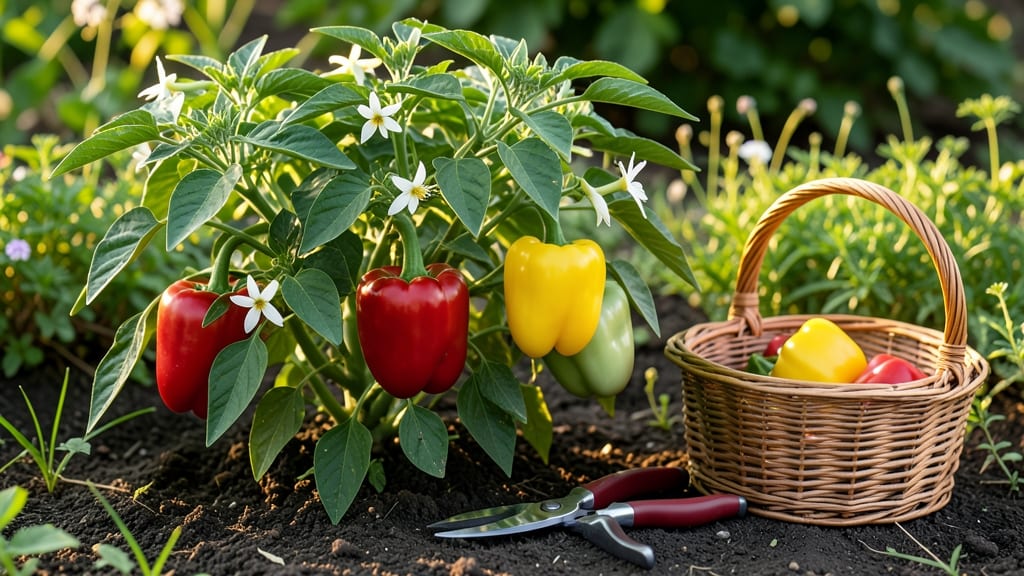
To pick bell peppers at their sweetest, watch for color changes and firmness—this is the key to unlocking full flavor 🌶️.
Picking bell peppers at the wrong time means missing out on sweet, vibrant flavors—and wasting hours of garden work. Timing matters more than most gardeners realize, especially when color cues can reveal perfect ripeness before you even taste them.
Think you can just wait until they turn red? Not so fast. Some varieties peak at yellow or orange, while others never fully ripen in cooler climates. I’ll show you exactly when to harvest for maximum sweetness, plus how to test ripeness with just your thumb.
By the end, you’ll know the best time of day to harvest, how climate affects ripening, and simple storage tricks to keep your peppers fresh for weeks. Let’s dive in!


5 Color-check tricks to know when bell peppers are ready
Bell peppers start as bright green but transform through stunning color stages that signal ripeness. Each hue isn't just pretty—it's a flavor map showing when to harvest for maximum sweetness. The green phase is just the beginning, while red peppers pack 3x more sugar than their unripe counterparts.
Understanding these color cues lets you time your harvest perfectly, whether you're growing classic red or rare purple varieties.
Color isn't the only clue, but it's the most visible. A fully mature bell pepper's hue tells you about sweetness levels, nutritional value, and even storage life. For example, yellow peppers are sweeter than green but less so than red.
Rare black or chocolate-brown varieties? Those are heirlooms with earthy, almost smoky flavors. Let's break down each color stage and what it means for your harvest timing.
| Color Stage | Ripeness Level | Sweetness Rating | Harvest Time | Flavor Profile |
|---|---|---|---|---|
| Green | Immature | Mild (3/10) | 60-75 days | Grassy, slightly bitter |
| Yellow | Mature | Sweet (7/10) | 75-85 days | Fruity, slightly tangy |
| Orange | Near-Fully Ripe | Very Sweet (8/10) | 85-95 days | Caramel-like, balanced |
| Red | Fully Ripe | Sweetest (10/10) | 90-100+ days | Deep, rich, slightly smoky |
| Purple/Black | Heirloom Ripe | Earthy-Sweet (9/10) | 100+ days | Smoky, complex, slightly bitter |
Your green bell peppers are the first stage and often harvested early for salads or stir-fries. They're crisp and mild but lack the sweetness of later stages. If you're growing green-only varieties, pick when they reach 3-4 inches long and feel firm.
For color-changing varieties, wait until the stem end turns white—this signals the pepper is ready to shift colors.
When peppers turn yellow, they've entered their sweetest early stage. This color appears after about 75 days of growth and marks a flavor upgrade from green. Yellow peppers have less acidity and more natural sugars, making them perfect for roasting or grilling.
Look for a uniform color—no green streaks—and a slightly thicker skin than the green phase. If left on the plant, they'll continue ripening into orange.
The orange stage is where bell peppers peak in sweetness before turning red. This is the sweet spot for many gardeners because it's less common than red but more flavorful than yellow. Oranges develop about 10 days after yellowing and have a caramel-like depth.
They're ideal for stuffing or preserving because their skin thickens slightly, making them more durable. Harvest when the color is evenly orange with no yellow or red patches.
Red bell peppers are the most nutrient-dense and sweetest, but they take the longest—90-100 days or more. Their deep red hue means they've converted starches to sugars over time. For best flavor, wait until the pepper is fully red and slightly
Beyond color: 3 physical signs your bell peppers need picking now
Color isn't the only way to tell when bell peppers are ready for harvest. Physical signs like size, firmness, and stem separation often reveal perfect ripeness before the color fully develops.
Ignoring these cues can lead to peppers that are either underripe (tough and bland) or overripe (leathery and bitter).
I’ve learned the hard way that waiting too long for color can ruin an otherwise perfect crop. For example, red bell peppers that stay on the vine too long often become wrinkled and lose their sweetness.
The key is to check these three tactile indicators regularly—especially during peak harvest season from July to October.
⚠️ Warning: Overripe Peppers Are a Flavor Disaster
Don’t wait for perfect color! Overripe bell peppers develop thick, leathery skin and a bitter, woody taste. Once the pepper’s skin starts wrinkling or the stem dries out, it’s past its prime. Harvest when firm—not when it’s soft or mushy.
First, check the size of your bell peppers. Most varieties reach harvest readiness at 3 to 5 inches long, though some heirlooms like Banana peppers or Jalapeños stay smaller. Compare your peppers to the plant’s mature size—if they’re 70-80% of their expected length, they’re likely ready.
For example, a California Wonder pepper should be about 4 inches long when firm.
Next, test the firmness with gentle pressure. A ripe bell pepper should feel firm but slightly yielding—like a ripe avocado. Press your thumbnail into the skin: if it resists slightly but doesn’t feel rock-hard, it’s ready. Soft or mushy spots mean it’s overripe, while extreme hardness signals underripeness.
I always test 2-3 peppers per plant to account for uneven ripening.
Finally, check the stem separation. The easiest way to pick a bell pepper is when the stem snaps cleanly at the base with a slight twist—no pulling required. If the stem resists or tears, the pepper isn’t ready yet.
This trick works for all varieties, from sweet Bellboys to spicy Habaneros. Pro tip: Use clean pruners to avoid damaging the plant.
Uneven ripening is a common frustration, especially in hot climates or with late-season plants. If some peppers ripen faster than others, focus on harvesting the firmest, heaviest ones first. This encourages the plant to redirect energy to the remaining fruit.
For green varieties, like Widow’s Peak, pick when they’re large and glossy, even if they haven’t changed color.
Remember, morning harvests yield the freshest peppers because they’ve had a full night to absorb moisture and sugars. Store them in a cool, dry place (not the fridge) for up to a week, or preserve them by freezing or pickling to enjoy their peak flavor all year. 🌶️