
Plants
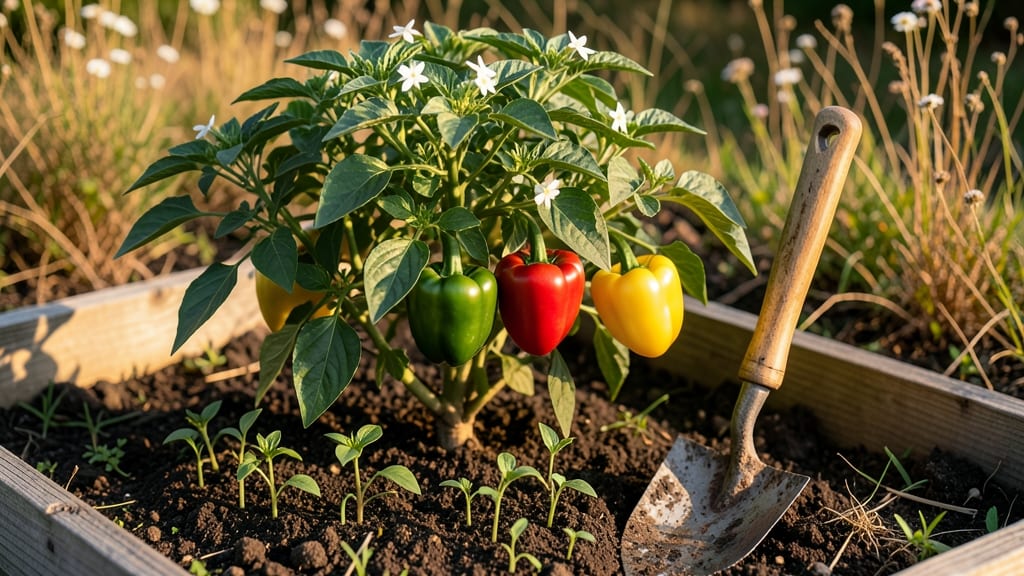
Planting bell peppers in North Carolina after the last frost—typically between April 15 and June 1—is the key to a bountiful harvest 🌶️.
North Carolina’s diverse climate means bell pepper planting times can vary dramatically between the mountains, Piedmont, and coastal plains—getting it wrong could mean stunted plants or failed harvests.
In the mountains, where frosts linger until late April, you’ll want to wait until soil temperatures hit 60°F or higher. Meanwhile, coastal gardeners can start earlier, thanks to warmer soils and milder winters.
Below, I’ll break down the exact frost-free timelines by county, soil prep tips to speed up warming, and how to choose varieties that thrive in NC’s 7a-8b zones—so you can avoid common mistakes and maximize your yield.
NC bell pepper planting dates by county: frost-free zones and ideal timelines
North Carolina’s bell pepper growing season hinges on precise timing—plant too early, and frost will kill tender seedlings; too late, and you’ll miss peak harvests.
The state spans USDA zones 5b-8a, meaning coastal areas like Craven County enjoy 220+ frost-free days, while mountain regions like Haywood County face shorter seasons (180 days). Understanding your last frost date and soil temperature thresholds (60°F minimum) is critical for success.
For most NC gardeners, the ideal window for transplanting bell pepper starts is 2-4 weeks after the last frost, typically between mid-April and early June. However, coastal areas can start as early as late March, while mountain regions may need to wait until late May.
Below, I’ve broken down planting timelines by county clusters to help you align your schedule with your local climate.
Pro Tip: Use black plastic mulch to warm soil faster and extend your planting window by 1-2 weeks. This is especially useful in Piedmont regions like Chatham County, where soil warms slowly. Always check NC State Extension’s frost maps for your specific county before planting.
| County Cluster | USDA Zone | Last Frost Date | Transplant Window | Peak Harvest | Notes |
|---|---|---|---|---|---|
| Coastal Plains (e.g., Craven, Beaufort, Dare) | 8a-8b | Late Feb - Early March | Late March - Mid-April | June - October | Humidity increases fungal risk; use spacers for airflow. |
| Piedmont (e.g., Chatham, Wake, Mecklenburg) | 7a-7b | Mid-March - Early April | Mid-April - Late May | July - September | Soil warms slower; use black mulch. |
| Mountains (e.g., Haywood, Buncombe, Ashe) | 6a-6b | Late April - Early May | Late May - Early June | August - Early October | Shorter season; choose early-maturing varieties. |
| Sandhills (e.g., Moore, Richmond) | 7b-8a | Early March - Mid-March | Early April - Mid-May | June - September | Well-draining soil; amend with compost. |
If you’re growing bell peppers from seeds indoors, start them 8-10 weeks before your last frost date. For example, in Craven County, begin seeds indoors by early February, while Haywood County gardeners should wait until mid-March. Harden off seedlings for 7-10 days before transplanting to avoid shock.
For late-season extensions, consider using row covers or low tunnels to protect plants from early frosts in October-November. In USDA zone 7b (common in Piedmont), this can add 2-3 extra weeks of harvest time. Always monitor nighttime temperatures—bell peppers struggle below 55°F.
Choose varieties suited to your region: ‘Carolina Wonder’ thrives in coastal humidity, while ‘Early Cal Wonder’ is ideal for mountain gardens. Heat-tolerant varieties like ‘Jupiter’ perform well in Piedmont’s summer heat. Adjust spacing based on your climate—18-24 inches apart in coastal areas, 12-18 inches in mountains.
Soil preparation is non-negotiable. Amend beds with compost and a balanced fertilizer (10-10-10) at planting. Test your soil’s pH (6.0-6.8)—bell peppers are sensitive to acidic soils. In sandy soils (common in coastal NC), add organic matter to retain moisture.
Watch for blossom end rot
How to adjust planting for NC’s microclimates: coastal vs. mountain differences
North Carolina’s three distinct regions—coastal plains, Piedmont, and mountains—create unique challenges for growing bell peppers. Coastal areas battle humidity and salt spray, while mountain gardens face shorter growing seasons and cooler soils.
Even the Piedmont’s heat can stress plants if not managed properly. Understanding these differences helps you choose the right varieties and planting strategies for success.
In the coastal plains (USDA zones 8a-8b), warm soil arrives earlier, but high humidity increases fungal risks like early blight. Mountain regions (zones 6a-7a) have cooler nights and shorter frost-free periods, requiring faster-maturing varieties.
The Piedmont (zones 7a-7b) balances heat and moderate humidity, making it ideal for classic bell pepper varieties—but only if planted at the right time.
Soil preparation varies dramatically: Coastal gardens need sandy soil amendments (like compost) to improve drainage, while mountain soils often require organic matter to retain heat. Piedmont soils, often clay-heavy, benefit from raised beds or black plastic mulch to warm the root zone faster. Test your soil’s pH (6.0–6.8) and amend accordingly—bell peppers are sensitive to acidity.
For coastal gardens, prioritize disease-resistant varieties like Jupiter and plant in late April to early May after soil warms to 65°F. Use straw mulch to reduce fungal spores and avoid overhead watering.
In the Piedmont, start seeds indoors in March and transplant after May 1 when night temps stay above 55°F. Black plastic mulch can add 5–10°F to soil temperature, speeding up growth.
Mountain gardeners should focus on early-maturing varieties like Early California Wonder (60 days to harvest) and use row covers to extend the season. Plant in late May to early June when frost risk is gone, and protect seedlings with cloches if nights dip below 50°F.
All regions benefit from drip irrigation to keep foliage dry and reduce disease. Adjust watering: coastal plants need frequent shallow watering, while mountain plants thrive with deep, infrequent soaks.
One final tip: Monitor soil temperature with a thermometer—bell peppers won’t germinate below 60°F. If your region’s spring is slow to warm, consider seedling transplants from a local nursery to jumpstart your harvest.
With these adjustments, you’ll maximize yields regardless of whether you’re battling coastal humidity or mountain chill.