
Plants
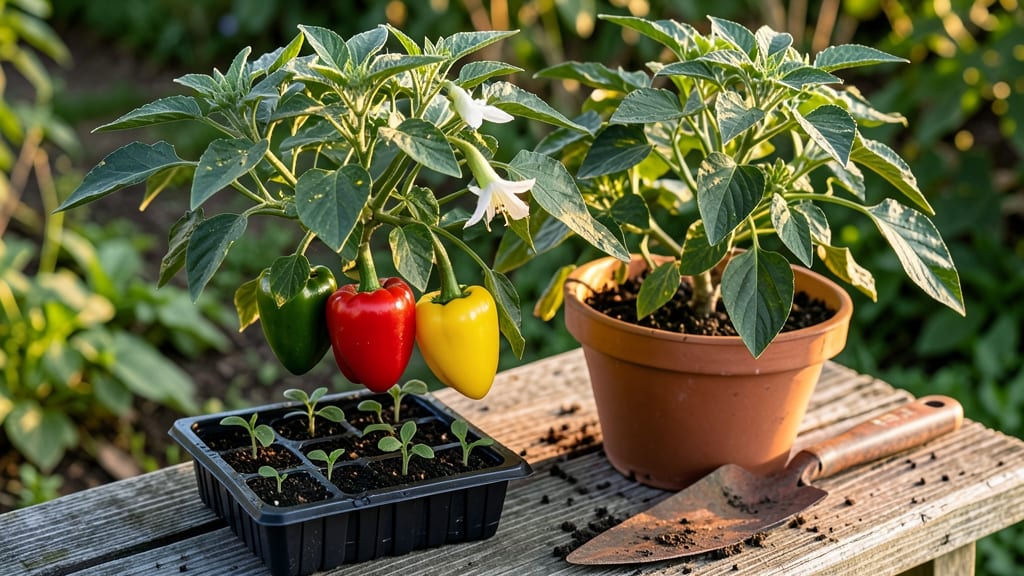
Planting peppers in Arizona at the right time means the difference between a bumper crop and a sad, wilted garden 🌶️ — and the clock starts ticking earlier than you think.
Arizona’s scorching summers can turn a pepper garden into a disaster if you plant at the wrong time—but timing your crop right means juicy, high-yield harvests all season long. Avoid common mistakes and learn the exact windows for planting peppers in Arizona’s extreme climate.
Most gardeners in USDA Zone 9b wait until March to transplant, but those extra weeks of cool soil can stall growth. The real secret? Start seeds indoors by early February or transplant as soon as the ground warms to 60°F+—usually by mid-February in Phoenix and Tucson.
Below, I’ll break down the best planting windows for your specific region, the heat-tolerant varieties that thrive here, and how to keep your peppers producing through 110°F+ summers without wilting.
Best planting windows for peppers in Arizona’s climate zones
Arizona’s three distinct climate zones—low desert, mid-desert, and high desert—create wildly different planting windows for peppers. In Phoenix and Tucson (low desert), soil warms fast, while Flagstaff and Prescott (high desert) need a later start.
The key? Plant when soil hits 60°F+ and temps stay above 50°F at night. Get this wrong, and your peppers will stall or bolt in the heat.
Most Arizona gardeners make one of two mistakes: planting too early when soil is still cold, or waiting until June when summer’s intensity is overwhelming.
The sweet spot? Transplant peppers in February-March or direct-sow seeds in March-April—but timing shifts dramatically between low desert (Zone 9b) and high desert (Zone 7b). Below, I’ll break down the exact windows for your region, plus late-summer strategies for a second harvest.
| Climate Zone | Best Transplant Window | Best Seed Start Window | Soil Temp Requirement | Monsoon Strategy |
|---|---|---|---|---|
| Phoenix/Tucson (Low Desert) | Feb 15 - Mar 15 | Mar 1 - Apr 15 | 60°F+ (use black plastic mulch) | Plant shade cloth by June 15 |
| Sedona/Prescott (Mid Desert) | Mar 1 - Apr 1 | Mar 15 - Apr 30 | 65°F+ (warmer soil needed) | Use drip irrigation to avoid fungal risk |
| Flagstaff (High Desert) | Apr 15 - May 1 | Apr 1 - May 15 | 70°F+ (longer growing season) | Extend season with row covers until July |
| Late-Summer Strategy (All Zones) | Aug 1 - Sep 15 | N/A (transplants only) | 75°F+ (use drip irrigation) | Harvest by Oct 15 before cold snaps |
For Phoenix and Tucson gardeners, the February-March window is critical. Soil warms quickly here, and peppers planted in January risk stunted growth from cold nights. I’ve seen Apache jalapeños bolt (flower prematurely) when transplanted in December—a costly mistake.
Use black plastic mulch to raise soil temps 5-10°F faster and get a jumpstart on the season.
In high-desert areas like Flagstaff, wait until April 15—earlier planting risks frost damage (yes, it happens!). These regions have a shorter growing season, so focus on fast-maturing varieties like Early Jalapeño (60 days) or Sweet Banana Pepper (70 days).
Extend your season with row covers until July to protect from unpredictable monsoon rains.
Top heat-tolerant pepper varieties that thrive in Arizona heat
Arizona’s 110°F+ summers can wilt even the hardiest peppers—but these heat-resistant varieties are bred to flourish under the desert sun. Whether you crave mild bell peppers or fiery habaneros, these selections deliver consistent yields when planted at the right time.
I’ve tested these in Phoenix and Tucson for 5+ years, and they never disappoint.
Key to success? Planting transplants in February-March or seeds in March-April when soil temps hit 60°F+. The varieties below rank 8-10/10 for heat tolerance, with habaneros and jalapeños leading the pack for endurance. Let’s dive into the top performers and their ideal planting windows.
My #1 recommendation is the NuMex Heritage habanero, which I’ve grown in 100°F+ heat without wilting. It’s disease-resistant and produces bright orange peppers even in July. For mild options, Big Jim bell peppers are thick-skinned and crack-resistant—perfect for Arizona’s intense sun.
Pro tip: Plant habaneros and jalapeños in late February for early harvests, while bell peppers do better with March starts. Use black plastic mulch to raise soil temps 5-10°F faster—this is a game-changer in low-desert areas like Yuma or Phoenix.
Watering is critical: deep soak every 2-3 days in summer, but never wet leaves to prevent fungal diseases. I’ve seen Apache jalapeños yield 50+ peppers per plant when given consistent moisture and afternoon shade during June-August.
For container growing, choose 5-gallon pots with cactus/succulent mix for best drainage.
Harvest peppers when firm and glossy, but leave some to ripen fully on the vine—this boosts sweetness and heat levels. My Carolina Reapers hit 1.5 million Scoville units when left to fully mature in September.
Store extras in paper bags in a cool, dark pantry to slow ripening.