
Diseases
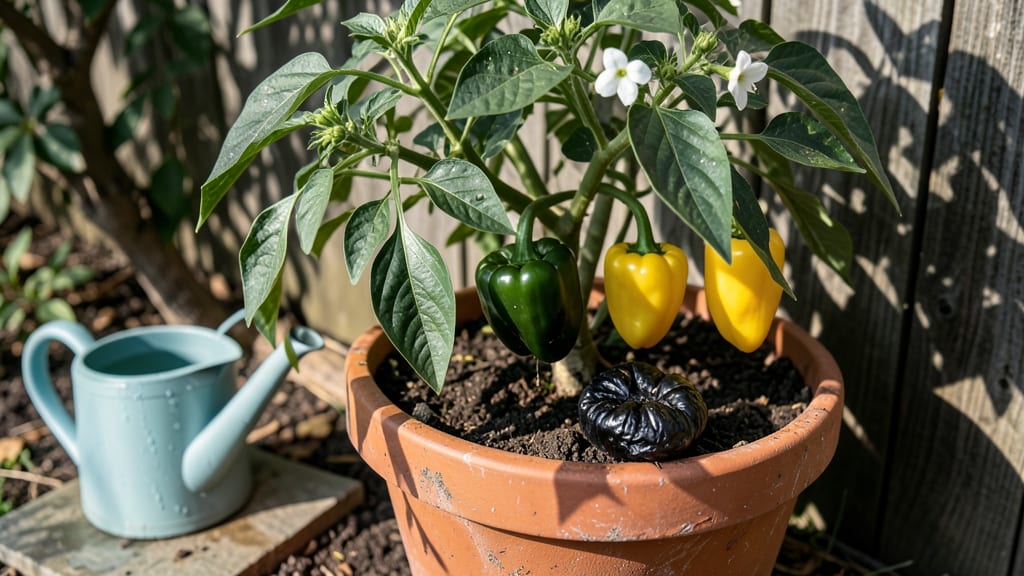
Your bell peppers turning black isn’t always a death sentence—it’s often a quick fix away. 🌱 I’ve seen this happen with my own plants, and the difference between saving a harvest and losing it often comes down to identifying the cause fast.
Black spots could signal fungal diseases like anthracnose, bacterial rot, or even overripe peppers ready for picking. The first step is checking the texture and spread: soft, mushy black spots with yellow halos? That’s likely bacterial spot. Dry, sunken black patches? Probably anthracnose.
Overwatering or poor air circulation can turn those issues into full-blown disasters, but catching them early makes all the difference. I’ve pulled back watering and pruned for better airflow, and the plants bounced back within days.
You’ll want to remove affected peppers immediately to stop the spread, and consider a copper fungicide spray if the problem persists. The key is acting fast—once the disease takes hold, it’s harder to reverse. With the right approach, you can go from panicked gardener to problem-solver in no time.
This works for both garden beds and containers, and the same principles apply to other peppers too. Let’s get those plants back on track before the black spreads further.
Root Causes Behind Black Peppers
If your once-vibrant bell peppers are turning black, don’t panic—there’s usually a logical explanation behind it. Understanding the why is the first step to saving your harvest. Below, we break down the most common culprits, from environmental stressors to microbial invaders, with clear science-backed reasons and actionable insights.
Bell peppers are tropical plants at heart, and they despise sudden temperature drops. When nighttime temps fall below 50°F (10°C) or daytime highs dip near 60°F (15°C), their cells struggle to maintain normal function. This stress triggers a chain reaction:
- Chlorophyll breakdown: Cold slows photosynthesis, causing chlorophyll to degrade prematurely. The pepper’s skin loses its green pigment, turning dull brown or black.
- Cell membrane damage: Cold weather disrupts lipid bilayers in plant cells, leading to oxidative stress. This causes dark, sunken spots—especially on the pepper’s surface.
- Fungal entry points: Chilled peppers become more susceptible to rot-causing fungi like Alternaria or Botrytis, which thrive in damp, cold conditions.
💡 Pro Tip: Use row covers or cloches to shield peppers from frost. If temps drop unexpectedly, move potted plants to a sheltered spot or greenhouse.
Bell peppers hate “wet feet.” When soil stays soggy for days, oxygen is crowded out, and roots suffocate. This leads to:
- Anaerobic conditions: Without oxygen, roots can’t absorb nutrients or water efficiently. The pepper’s tissue ferments internally, turning black from the inside out (often visible as a mushy, foul-smelling core).
- Fungal infections: Excess moisture invites Phytophthora (a water mold) or Pythium, which rot the fruit and stem. Black lesions or a velvety growth may appear.
- Blossom-end rot (BER): While BER typically causes white/yellow spots, severe overwatering can exacerbate calcium deficiency, leading to blackened, leathery patches at the blossom end.
🔥 Fix It:
- Check soil moisture with your finger—water only when the top 1–2 inches are dry.
- Amend heavy clay soil with compost or perlite to improve drainage.
- Ensure pots have drainage holes and elevate containers to prevent water pooling.
Black spots or patches on peppers are often a red flag for pathogens. Here’s how they strike:
| Pathogen | Symptoms | Why It Happens |
|---|---|---|
| Alternaria leaf spot | Black, concentric rings on fruit; yellow halos around spots. | Fungal spores thrive in humid (75–90% RH) conditions. Peppers with physical damage (e.g., hail, insect bites) are prime entry points. |
| Anthracnose | Sunken, black lesions with pink or salmon centers; fruit may ooze gummy liquid. | Spread by water splashing (e.g., overhead irrigation) or contaminated tools. Warm, wet weather accelerates it. |
| Bacterial spot (Xanthomonas) | Small, greasy black spots with water-soaked edges; can spread to leaves. | Bacteria enter through stomata (pores) or wounds. High humidity and poor air circulation worsen outbreaks. |
🎯 Prevention:
- Remove and destroy infected peppers (don’t compost them!).
- Apply copper fungicide (for bacterial spot) or neem oil (for fungal issues) every 7–10 days during wet seasons.
- Space plants 18–24 inches apart to improve airflow.
Not all black peppers are a sign of doom—sometimes, it’s just nature’s way of saying, “Time to harvest!” But other physiological issues can mimic disease:
- Natural ripening: Some heirloom varieties (like Black Beauty peppers) darken as they mature. Check the stem—if it’s dry and papery, the pepper is ready to pick.
- Calcium deficiency (Blossom-end rot): While BER usually causes white spots, severe deficiency can turn the blossom end black and leathery. Fix with calcium-rich amendments (e.g., crushed eggshells, gypsum).
- Ethylene gas damage: Storing peppers near ethylene-producing fruits (apples, bananas) can accelerate ripening and cause premature blackening. Keep them separate!
✨ Quick Check: Slice the pepper open—if the flesh is firm and crisp, it’s likely overripe. If it’s mushy or discolored inside, disease or rot is the culprit.
Now that you know the why, the next step is action. Head to our quick fixes section to learn how to reverse the damage and protect your future harvests!
Quick Fixes for Black Bell Peppers
If your bell peppers are turning black, don’t panic—there’s still hope to salvage your harvest! The key is acting fast and addressing the root cause. Below, we’ve mapped out practical solutions for each common issue, along with prevention tips to keep your peppers vibrant and healthy.
Cause: Peppers left too long on the plant or exposed to intense sun can darken and rot.
How to Fix It: 🔥 Harvest Immediately – If peppers are black but still firm, pick them ASAP. Overripe peppers won’t improve but can still be used in cooking (think stir-fries or sauces!). 🍳 Use in Recipes – Black spots don’t always mean spoilage. Roast, blend into salsa, or pickle them to minimize waste. 👨🍳 Check for Soft Spots – If the pepper is mushy or leaking, compost it to prevent further spread.
Prevention Tips: ✨ Harvest Regularly – Pick peppers when they’re firm and fully colored (usually 60–90 days after transplanting). 🌡️ Shade Cloth for Extreme Heat – If temps exceed 90°F (32°C), use shade cloth to protect peppers from scorching. 🎯 Water Deeply, Not Overhead – Keep soil moist but avoid wetting leaves to reduce sunburn risk.
Cause: Black spots, mold, or rot (like anthracnose or Alternaria) thrive in damp conditions.
How to Fix It: 🔪 Prune Infected Peppers – Cut off blackened peppers and dispose of them in the trash (not compost). 💡 Apply Fungicide – Use a copper-based fungicide or neem oil spray (mix 1 tbsp neem oil + 1 tsp mild soap per quart of water). Spray every 7–10 days for 2–3 weeks. 🌱 Improve Airflow – Space plants 18–24 inches apart and prune lower leaves to reduce humidity near the soil.
Prevention Tips: 💡 Rotate Crops – Avoid planting peppers, tomatoes, or eggplants in the same spot next year. 🌧️ Water at the Base – Use drip irrigation or soaker hoses to keep foliage dry. 🔥 Remove Debris – Clear fallen leaves and weeds to eliminate fungal spores.
Cause: Insects like aphids, spider mites, or earwigs can cause blackening from feeding or egg-laying.
How to Fix It: 🕵️ Spot the Culprit – Check for tiny holes, webbing, or sticky residue (aphid honeydew). 🛡️ Spray Soap Solution – Mix 1 tsp mild liquid soap + 1 quart water and spray affected plants. 🐛 Introduce Beneficial Bugs – Ladybugs or lacewings eat pests naturally (order online or find at garden centers).
Prevention Tips: 🌿 Use Row Covers – Protect seedlings with lightweight fabric until plants are established. 🌙 Set Up Traps – Place yellow sticky traps near plants to catch flying insects. 🌱 Interplant with Herbs – Basil, marigolds, or cilantro repel pests naturally.
Cause: Sudden cold snaps (below 50°F/10°C) can blacken peppers overnight.
How to Fix It: 🔥 Harvest What’s Left – Cold-damaged peppers won’t recover but can still be used in cooked dishes. 🏡 Cover Plants at Night – Use frost blankets or row covers if frost is forecasted. 🌱 Move Potted Peppers – Bring containers indoors or to a sheltered spot if possible.
Prevention Tips: 📅 Plant at the Right Time – Wait until soil is at least 60°F (15°C) before transplanting. 🌡️ Use Black Plastic Mulch – Warms soil faster in spring and protects roots. ✨ Choose Cold-Tolerant Varieties – Try ‘Arpad F1’ or ‘King of the North’ for cooler climates.
Cause: Lack of calcium (blossom end rot) or magnesium can cause blackening at the stem.
How to Fix It: 📊 Test Your Soil – Use a DIY soil test kit (available at garden centers) to check pH and nutrient levels. 🥗 Add Epsom Salt – For magnesium deficiency, dissolve 1 tbsp Epsom salt in a gallon of water and water the base of plants. 🐄 Use Crushed Eggshells – For calcium, crush eggshells and mix into soil or sprinkle around plants.
Prevention Tips: 🌱 Amend Soil Before Planting – Mix in compost or aged manure for balanced nutrients. 🎯 Maintain pH 6.0–6.8 – Test soil annually and adjust with lime (to raise pH) or sulfur (to lower it). 💡 Fertilize Mid-Season – Use a balanced fertilizer (10-10-10) when flowers appear.
If peppers are severely blackened and mushy, the plant may be beyond saving. However, you can save the rest of your crop by: 1. Removing the infected plant (dig up roots to prevent soilborne diseases).
- Disinfect tools with rubbing alcohol between cuts.
- Monitor nearby plants for new black spots.
Pro Tip: 🌱 Keep a Garden Journal – Track when peppers turn black, weather conditions, and treatments. This helps you prevent future issues and refine your growing strategy!
With these fixes, your bell peppers should bounce back—or at least give you a tasty harvest before the season ends. Happy gardening! 🌿
Frequently asked questions
Are black spots on my bell peppers always a sign of disease?
Not necessarily! Some heirloom varieties like Black Beauty naturally darken as they mature. Check the stem—if it's dry and papery, the pepper is likely just overripe. However, if the flesh is mushy or smells foul, it's probably a fungal or bacterial infection that needs immediate attention.
Can I still use blackened bell peppers in cooking?
Yes, if the pepper is firm and only has surface blackening, it's safe to use! Roast, pickle, or blend into sauces—black spots don't always mean spoilage. Just avoid any peppers that are soft, leaking, or have a foul odor, as these indicate rot.
What's the fastest way to stop fungal spread on my pepper plants?
Remove all infected peppers immediately (don't compost them!) and apply a copper fungicide or neem oil spray. Improve airflow by spacing plants 18–24 inches apart and prune lower leaves. For severe cases, repeat treatments every 7–10 days until new growth appears.
Why do my container-grown bell peppers turn black faster than garden ones?
Potted peppers often suffer from poor drainage or inconsistent moisture, leading to root stress and blackening. Ensure containers have drainage holes and elevate them to prevent water pooling. Use a well-draining potting mix and water only when the top 1–2 inches are dry.
Is it too late to save my pepper plants if they're already turning black?
Not always! If only a few peppers are affected, remove them immediately and monitor nearby plants. For systemic issues (like bacterial spot), you may need to prune infected foliage and apply fungicide. With proper care, healthy plants can still produce new fruit—just act fast to prevent further spread!