
Advice
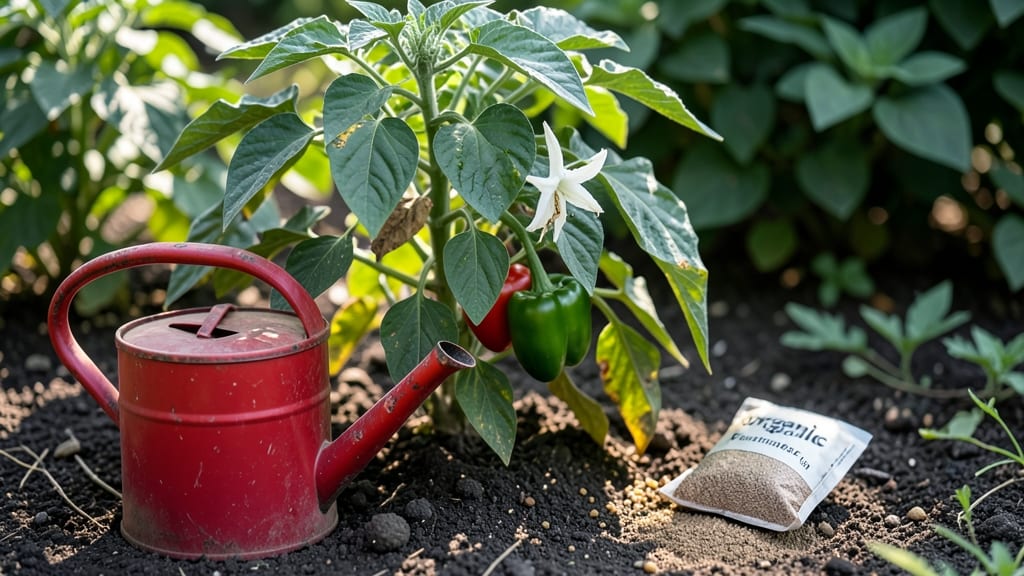
Your pepper plants aren't growing because they're silently screaming for help—usually from sunlight starvation, thirst, or nutrient neglect. 🌱 I've watched seedlings turn into stunted, leafy shrubs that never produce peppers, and the fix is always simpler than you'd think.
The most common culprits are 6+ hours of direct sun missing, soil that's either too wet or bone-dry, or fertilizer that's either missing or overdone. Even the hardiest pepper varieties need consistent warmth and moisture to thrive—without them, growth stalls before it even begins.
By the end of this guide, you'll spot exactly what's holding your plants back and how to reverse it in 7-10 days. We're talking dark green leaves, sturdy stems, and—eventually—peppers that actually ripen. Works for backyard gardens, containers, and even windowsill setups. Let's get those plants growing again!
Root Causes Holding Back Growth
When your pepper plants seem stuck in slow-motion, the issue often boils down to environmental stress, nutritional gaps, or physical damage—each with a clear scientific explanation. Let’s break down the most common culprits and why they sabotage your harvest before you can even say "jalapeño!"
Pepper plants (Capsicum annuum and relatives) are tropical heat-lovers—they thrive in temperatures between 70–85°F (21–29°C). Below 50°F (10°C), their metabolic processes shut down, halting growth.
Here’s why: - Cellular Chilling Injury: Cold temps disrupt membrane integrity in plant cells, slowing nutrient uptake and photosynthesis. - Root Freeze: Soil temps below 55°F (13°C) can kill roots, cutting off water and nutrient flow entirely. - Seedling Shock: Young plants are especially vulnerable—below 60°F (15°C), germination and early growth stall.
Actionable Fix:
- Use row covers or black plastic mulch to warm soil.
- Move potted plants to a sunny indoor spot (like a south-facing window) if nights dip below 55°F.
- Avoid planting too early—wait until all frost risk has passed (use your local frost date as a guide).
Pepper plants hate soggy feet and drought stress—both trigger growth stalls through different mechanisms:
- Overwatering:
- Root Rot: Phytophthora and Pythium fungi thrive in waterlogged soil, clogging xylem vessels (the plant’s water highways), causing wilting and stunted growth.
- Nutrient Lockout: Excess water flushes away nitrogen and phosphorus, starving the plant of critical growth hormones.
- Underwatering:
- Osmotic Stress: Dry soil forces roots to work harder, reducing water and nutrient absorption by up to 50%.
- Abscisic Acid Spike: The stress hormone abscisic acid (ABA) accumulates, triggering dormancy-like states to conserve water—at the cost of growth.
Actionable Fix:
- Check soil moisture 1–2 inches down—stick your finger in (if dry, water; if muddy, wait).
- Water deeply but infrequently: Aim for 1–1.5 inches per week (more in extreme heat).
- Improve drainage: Amend clay soil with compost or perlite to prevent water pooling.
Pepper plants need 6–8 hours of direct sunlight daily to fuel photosynthesis.
Without it: - Chlorophyll Shortage: Less light = fewer chlorophyll molecules, meaning reduced energy (glucose) production for growth. - Leggy, Weak Stems: Plants stretch (etiolation) toward light sources, weakening cell walls and making them prone to snapping. - Poor Flower/Fruit Set: Insufficient light delays flowering and causes aborted fruit due to low sugar reserves.
Actionable Fix:
- Move plants to sunnier spots (e.g., near a south-facing wall).
- Use grow lights (LED or fluorescent) for 12–14 hours/day if indoors.
- Prune nearby shade-makers (trees, tall plants) blocking sunlight.
Pepper plants are heavy feeders, and deficiencies show up as stunted growth, yellowing, or purple stems.
The top offenders: | Nutrient | Role in Growth | Deficiency Signs | Quick Fix | |-------------|-------------------|----------------------|---------------| | Nitrogen (N) | Leaf and stem growth | Yellow lower leaves, stunted shoots | Apply blood meal or fish emulsion | | Phosphorus (P) | Root development, flowering | Dark green/purple stems, slow growth | Use bone meal or rock phosphate | | Potassium (K) | Water regulation, disease resistance | Weak stems, yellow edges on leaves | Add greensand or wood ash | | Magnesium (Mg) | Chlorophyll production | Interveinal yellowing (between veins) | Sprinkle Epsom salt (1 tbsp/gal water) |
Pro Tip: 💡 Test your soil (DIY kits cost ~$10) before guessing—over-fertilizing can burn roots and cause more harm!
Hidden invaders sap nutrients, damage leaves, or block sunlight, directly stunting growth:
- Aphids/Spider Mites: Pierce cells to drink sap, causing stunted shoots and curled leaves.
- Fungal Diseases (Early Blight, Powdery Mildew): Clog stomata (leaf pores), reducing gas exchange and photosynthesis.
- Root-Knot Nematodes: Feed on roots, reducing water/nutrient uptake by 30–70%.
Actionable Fix:
- Inspect leaves daily (especially undersides) for sticky residue (aphids), webbing (spider mites), or spots (fungus).
- Spray neem oil (natural pesticide/fungicide) weekly as a preventative.
- Rotate crops yearly to break pest/disease cycles.
Compacted or nutrient-poor soil strangles roots, limiting growth.
Key issues: - Clay Soil: Poor drainage leads to anaerobic (oxygen-free) zones, where roots suffocate. - Sandy Soil: Nutrients wash away, leaving plants starved despite frequent watering. - No Organic Matter: Lack of microbes means slow nutrient breakdown, depriving plants of food.
Actionable Fix:
- Amend soil with:
- Compost (for organic matter)
- Perlite/vermiculite (for drainage)
- Worm castings (for microbes)
- Aerate compacted soil with a garden fork before planting.
Final Note: Most growth issues are fixable—start with temperature, water, and light, then check soil and nutrients. 🚀 Once these basics are dialed in, your peppers will bolt upright like they’re in a tropical greenhouse!
Quick Fixes for Stalled Pepper Growth
Now that you’ve pinpointed the issue, it’s time to roll up your sleeves and get your peppers back on track! Below are practical, step-by-step solutions for each common problem, plus prevention tips to keep your plants thriving. Think of this as your pepper plant’s emergency repair kit—no green thumb required!
Fix it:
- 🔥 Assess the damage: Gently pull back foliage to check roots. If roots are tangled or circling (like a spaghetti mess), it’s time to act.
- 🍳 Prune like a pro: Use clean, sharp scissors (or your fingers) to snip or pinch off crowded stems at the base. Aim to leave 12–18 inches of space between plants.
- 👨🍳 Repot or transplant: If growing in containers, move plants to larger pots (at least 5-gallon size for mature peppers). For garden beds, transplant to fresh soil with 3–4 feet between plants.
- 🥘 Mulch to retain moisture: Add a 2-inch layer of straw or mulch around the base to prevent weeds and lock in moisture.
💡 Prevention tip: Start with the right spacing! Pepper plants need room to breathe—plant seeds ¼ inch deep, 12 inches apart, and thin seedlings early.
Fix it:
- 🌡️ Check the soil: Stick your finger 1–2 inches deep. If it’s bone-dry, you’re underwatering. If it’s soggy, you’re overwatering.
- 🔥 Adjust your watering:
- Underwatered? Water deeply 2–3 times per week (more in extreme heat). Use a drip irrigation system or water at the base (not leaves) to avoid evaporation.
- Overwatered? Let the soil dry out slightly between waterings. Improve drainage by adding perlite or sand to heavy soil.
- 🎯 Monitor with a moisture meter: These $10 tools take the guesswork out of hydration.
💡 Prevention tip: Morning watering is key—it reduces evaporation and fungal risks. And always check the weather forecast before watering!
Fix it:
- 🔥 Move indoor plants: If growing inside, place peppers within 12–18 inches of a south-facing window or use grow lights (12–16 hours of light daily).
- 🍳 Shield outdoor plants: Use shade cloth (30–50%) if temps exceed 90°F (peppers hate scorching). For leggy plants, prune top growth to encourage bushier, sun-seeking habits.
- 👨🍳 Rotate containers: If growing in pots, turn them weekly so all sides get even light.
💡 Prevention tip: Peppers crave 6–8 hours of direct sun daily—don’t skimp! If your garden gets <6 hours, consider container growing on a sunny patio.
Fix it:
- 📊 Test your soil: Grab a DIY soil test kit ($10–$20) or send a sample to your local extension office. Peppers need:
- pH 6.0–6.8 (use lime to raise pH, sulfur to lower it).
- Balanced fertilizer (10-10-10 or 5-10-10) every 3–4 weeks during growing season.
- 💪 Boost with compost: Mix in 2–3 inches of compost at planting time for slow-release nutrients.
- 🥗 Fix specific deficiencies:
- Yellow leaves? Lack of nitrogen → Use fish emulsion or blood meal.
- Purple stems? Phosphorus deficiency → Try bone meal.
- Weak stems? Add Epsom salt (1 tbsp per gallon of water) for magnesium.
💡 Prevention tip: Over-fertilizing burns roots—always water before applying fertilizer and follow package rates!
Fix it:
- 🔪 Identify the culprit:
- Aphids/spider mites? Spray with neem oil or soapy water (1 tsp mild soap + 1 quart water).
- Fungal spots? Remove infected leaves and spray copper fungicide (or a baking soda mix: 1 tbsp baking soda + 1 quart water + a drop of dish soap).
- Root rot? Stop watering, repot in fresh, dry soil, and trim mushy roots.
- 🌡️ Prevent future outbreaks:
- Rotate crops yearly (don’t plant peppers in the same spot).
- Encourage beneficial insects (ladybugs, lacewings) with marigolds or basil nearby.
💡 Prevention tip: Inspect plants weekly—early action = happier peppers!
✨ Pro Tip: Keep a growth journal! Note watering, sunlight, and fertilizer dates to spot patterns. Happy plants = happy harvests! 🌶️🔥
Frequently asked questions
Why are my pepper seedlings growing slowly but not producing leaves?
This usually means your seedlings are too cold or not getting enough light. Pepper seedlings need 70–85°F (21–29°C) to thrive—below 60°F (15°C), growth stalls. If they're leggy and pale, they're stretching toward light. Move them to a sunniest windowsill or use a grow light 12–14 hours/day. Warmth and light kickstart leaf production within 3–5 days.
My pepper plants have yellow leaves—is this normal?
Not normal! Yellow leaves usually signal overwatering, nutrient deficiency, or disease. Check the soil—if it's soggy, you're overwatering (peppers hate "wet feet"). If lower leaves yellow first, it's likely nitrogen deficiency—feed with fish emulsion. Yellow with brown spots? Fungal disease (like early blight) may be setting in. Act fast: adjust watering and spray with neem oil or copper fungicide.
Can I save my pepper plants if the stems are weak and falling over?
Yes! Weak stems often mean overcrowding, poor soil, or nutrient deficiency. First, prune crowded stems back to encourage stronger growth. Then, repot or transplant into richer soil with compost or worm castings. Add Epsom salt (1 tbsp/gal water) for magnesium to strengthen cell walls. Stake tall plants with bamboo stakes for support. With proper care, stems will firm up in 2–3 weeks.
Why do my pepper plants look healthy but aren't producing flowers or peppers?
This is usually a light, temperature, or nutrient imbalance. Peppers need 6–8 hours of direct sun daily—if they're not getting enough, they won't flower. Also, temps below 70°F (21°C) or above 90°F (32°C) delay flowering. Check for phosphorus deficiency (purple stems = hungry for bloom boosters)—try bone meal. Finally, hand-pollinate flowers by gently shaking plants on sunny days.
How do I know if my pepper plants are getting enough water?
Stick your finger 1–2 inches into the soil—if it's bone-dry, water deeply until moisture reaches 6 inches down. If it's still damp after 24 hours, you're overwatering. Peppers prefer consistent moisture but hate soggy roots. A moisture meter ($10) takes the guesswork out. Water in the morning to reduce evaporation and fungal risks.