
Diseases
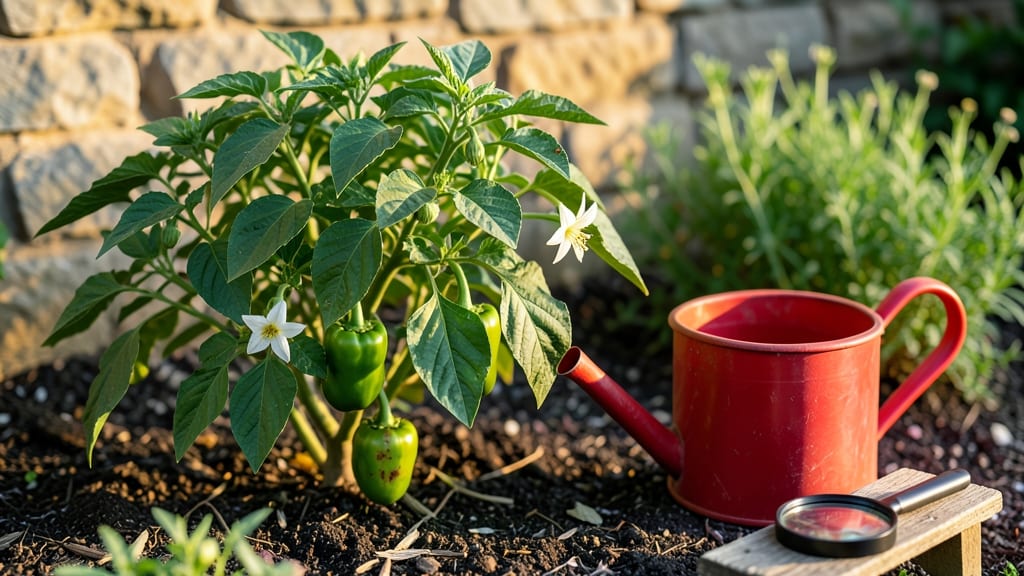
Why do my green peppers have those brown spots? 🌶️ I’ve seen them too—and they’re usually fixable. The good news is that most causes are easy to spot once you know what to look for, and solutions range from simple adjustments to targeted treatments.
Let’s start by identifying the most common culprits so you can save your harvest.
Sun scorch, fungal diseases like anthracnose, or even blossom end rot can mimic each other, but there’s a key difference: sun scorch appears on the side facing the sun, while fungal spots often start as tiny dots that spread.
Pest damage, like from aphids or spider mites, leaves behind a sticky residue or webbing. The first step is checking the where and how of the spots—this tells you exactly what’s wrong.
Once you’ve pinpointed the issue, the fixes are straightforward. For sun scorch, provide afternoon shade; for fungal spots, remove affected leaves and apply neem oil or copper fungicide. Blossom end rot?
Boost calcium with crushed eggshells or a balanced fertilizer. Most importantly, keep your plants healthy with proper watering, spacing, and airflow—this prevents 80% of pepper problems before they start.
Don’t let a few brown spots ruin your season. With these fixes, your peppers will bounce back stronger—and you’ll spot issues early next time. Let’s get your plants back on track.
Root Causes Of Pepper Spots
Brown spots on your green peppers aren’t just unsightly—they’re a clear signal that something’s off in their growing environment. Understanding the why behind these spots is the first step to saving your harvest.
Below, we break down the most common culprits, each with a distinct scientific trigger and actionable insights to address them.
When temperatures soar—especially above 90°F (32°C)—your peppers can develop sun scorch, a condition where direct sunlight causes cellular damage. The plant’s waxy cuticle (its natural protective layer) breaks down under intense UV exposure, leading to brown, leathery patches.
This often happens on the sun-exposed sides of peppers, particularly in hot, dry climates or during heatwaves.
Why it happens:
- Cellular dehydration: High temperatures increase transpiration (water loss through leaves), causing cells to collapse and turn brown.
- Oxidative damage: Excess sunlight triggers reactive oxygen species (ROS), which damage chlorophyll and cell membranes.
- Poor heat acclimation: Peppers grown in cooler climates may lack the genetic or physiological resilience to handle sudden heat spikes.
💡 Pro Tip: If your peppers are in full sun, provide afternoon shade (especially in summer) using shade cloth (30-50% coverage). Mulching with straw or grass clippings can also insulate soil and reduce temperature fluctuations.
While peppers need consistent moisture, excess water—especially when combined with poor drainage—can lead to blossom end rot, a condition where the bottom of the pepper (the "blossom end") turns brown, leathery, and sunken. This isn’t a fungal disease but a calcium deficiency triggered by uneven water uptake.
Why it happens:
- Calcium uptake disruption: Overwatering washes away calcium from the root zone, preventing the plant from absorbing enough to strengthen cell walls.
- Root suffocation: Waterlogged soil cuts off oxygen, stunting root growth and reducing nutrient absorption.
- pH imbalance: Overwatering can leach nutrients (like calcium and magnesium) and alter soil pH, making nutrients less available.
💡 Pro Tip: Water deeply 1-2 times per week (depending on climate) and ensure pots or garden beds have drainage holes. Add crushed eggshells or calcium-rich compost to the soil to boost calcium levels. Avoid wetting the leaves to prevent fungal secondary infections.
Fungal spores thrive in humid, warm conditions (75-85°F / 24-29°C) and can infect peppers through wounds, old growth, or even healthy tissue. Two common fungi—Colletotrichum (anthracnose) and Alternaria—cause dark, sunken spots that may ooze or spread with moisture.
Why it happens:
- Spore germination: Fungal spores land on peppers and germinate when humidity exceeds 70% for prolonged periods.
- Weakened plant defenses: Stress from overwatering, poor air circulation, or nutrient deficiencies makes peppers more susceptible.
- Splash dispersal: Water droplets from overhead irrigation or rain can splash spores from soil or infected debris onto peppers.
🔍 How to spot it:
Anthracnose
Alternaria
Small, dark spots with yellow halos; often near stem attachments.
Target-like spots with concentric rings; may appear velvety or gray.
Spots enlarge and ooze in wet conditions.
Spots remain dry but spread rapidly in high humidity.
💡 Pro Tip: Remove infected peppers immediately and dispose of them in the trash (not compost). Space plants 18-24 inches apart for airflow, and water at the base (not overhead). Apply a copper fungicide or baking soda spray (1 tsp baking soda + 1 quart water + a drop of dish soap) every 7-10 days as a preventive.
Tiny pests like aphids, spider mites, and fruitworms can chew or pierce pepper skin, leaving behind brown, irregular spots—or even larger holes. Unlike fungal spots, pest damage is often accompanied by visible insects, webbing, or frass (insect droppings).
Why it happens:
- Feeding trauma: Pests inject saliva or chew tissue, disrupting cell integrity and causing browning.
- Secondary infections: Open wounds invite fungi or bacteria, worsening the damage.
- Stress-induced attraction: Peppers under stress (drought, poor nutrition) emit volatile compounds that attract pests.
🔍 Common culprits:
- Aphids: Cluster on undersides of leaves; leave sticky residue (honeydew) and distorted growth.
- Spider mites: Create fine webbing and cause stippling (tiny brown dots) on leaves.
- Fruitworms: Bore into peppers, leaving frass and small entry holes.
💡 Pro Tip: Blast pests off with a strong stream of water (early morning works best). Use neem oil (1 tsp per quart of water) or insecticidal soap for aphids and mites. For fruitworms, handpick eggs or use BT (Bacillus thuringiensis) spray. Row covers can prevent adult moths from laying eggs.
Brown spots can also signal a mineral deficiency, particularly if they appear crusty, dry, or accompanied by yellowing. Peppers are heavy feeders and require a balanced diet, especially during fruiting.
Why it happens:
- Calcium deficiency: Leads to blossom end rot (as discussed) but can also cause brown, necrotic patches on stems and leaves.
- Magnesium deficiency: Causes interveinal chlorosis (yellowing between veins) followed by brown, dead patches.
- Potassium deficiency: Results in brown edges or tips on leaves and weak stems, making peppers prone to disease.
📊 Quick Diagnosis Guide:
| Symptom |
|---|