
Plants
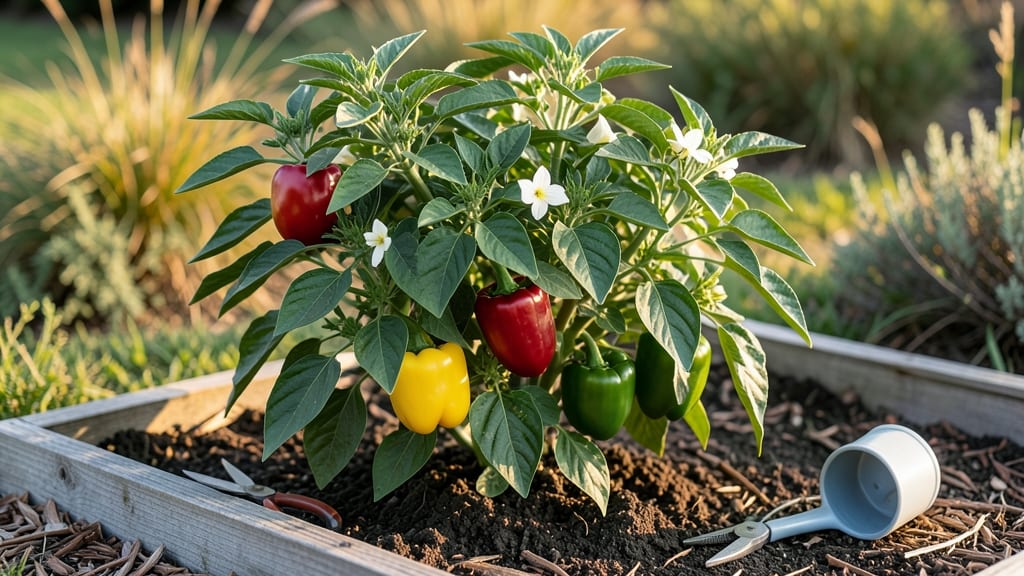
Bell pepper plants are annuals in most climates, but they can act like perennials in frost-free zones—here’s how to extend their life in colder regions like Zone 6a.
If you’ve ever wondered why your 🌶️ bell pepper plants die back every winter—only to start fresh each spring—you’re not alone. The truth is, these tropical plants are not cold-hardy, but with the right tricks, you can keep them alive (and even productive) for multiple years.
In warmer climates (like Zones 10–11), bell peppers can overwinter naturally, but in colder areas, they need protection. Whether you’re growing them in containers or using mulch, these strategies will help you save time and money by avoiding replanting every season.
Below, I’ll break down the science behind why bell peppers behave like perennials in some places but not others, plus practical tips to keep your plants thriving year after year—no matter where you garden.
Why bell pepper plants Act Like Perennials But Aren’t Truly Cold-Hardy
Bell pepper plants often confuse gardeners by returning year after year in warm climates—yet they’re technically annuals in most growing zones. This behavior stems from their tropical origins and unique biology that lets them survive mild winters if protected.
Understanding why they act like perennials but freeze in frost helps you decide whether to replant or overwinter them.
The key lies in their native habitat. Bell peppers (Capsicum annuum) evolved in Central and South America, where temperatures rarely drop below 50°F (10°C). Their woody stems and slow growth make them appear perennial, but their delicate roots and foliage can’t tolerate prolonged cold.
Even a light frost (32°F/0°C) will kill them, explaining why they die back in most U.S. zones.
Temperature tolerance is the real dividing line. While some varieties survive brief dips to 25–35°F (−4 to 2°C) for short periods, sustained cold below 40°F (4°C) triggers irreversible damage. This is why they thrive as perennials in USDA zones 10–11 but act as annuals in colder regions.
Here’s the science: Bell peppers don’t enter true dormancy like perennials. Instead, they slow growth in cooler weather, conserving energy. Their woody stems can regrow from the base if protected, but the root system often fails in frost.
This explains why they “come back” in warm winters—but not in freezing climates.
| Trait | Perennial Plants | Bell Peppers (Annuals) |
|---|---|---|
| Cold Hardiness | Survive 0–10°F (−18 to −12°C) with dormancy | Die at 28–32°F (−2 to 0°C); brief survival to 25°F (−4°C) |
| Growth Cycle | Regrow from roots yearly | Complete lifecycle in 60–90 days; no true dormancy |
| Native Climate | Temperate or cold regions | Tropical/subtropical (Central/South America) |
| Stem Type | Woody, persistent | Herbaceous but woody at base in mature plants |
| Overwintering | Natural dormancy; mulch helps | Requires artificial protection (greenhouse, containers) |
In USDA zones 10–11, bell peppers can act like perennials because winters rarely drop below 40°F (4°C). Their woody stems regenerate from the base, and they may produce fruit year-round.
However, in zones 7 and colder, even a single frost will kill them, making annual replanting the norm.
The misconception arises from their ability to regrow from cuttings or stems in warm climates. Unlike true perennials, bell peppers don’t store energy in roots for winter survival. Instead, they rely on continuous warmth to maintain growth.
This is why gardeners in Florida or California might see them return naturally, while those in Zone 5 or colder must start fresh each spring.
If you’re in a transitional zone (8–9), you might extend their life with mulch or row covers, but they’ll still struggle below 35°F (2°C). The key takeaway: Bell peppers are annuals by biology, but their tropical adaptability lets them “cheat” the system in warm winters.
For gardeners in cold climates, this means choosing between replanting seeds yearly or investing in overwintering strategies like containers or greenhouses. The latter can turn them into functional perennials—but only with extra care. Understanding their limits helps you set realistic expectations and avoid disappointment when frost arrives.
Next time you see a bell pepper plant survive winter, remember: it’s not truly perennial—it’s just cheating the cold with a little help. And with the right techniques, you can give them that help year after year.
How to trick bell pepper plants into lasting multiple years in cold climates
Bell pepper plants aren’t naturally cold-hardy, but with the right strategies, you can extend their life beyond one season even in chilly climates. The key is understanding their tropical origins and mimicking warm conditions during winter.
By using containers, insulation, and protection, you can trick your plants into surviving—and even producing—year after year.
First, container growing is your best bet for mobility. Moving pots indoors or into a garage during freezing temperatures (below 35°F) gives you full control. Pair this with thick mulch (like straw or leaves) to insulate roots.
For in-ground plants, row covers or cold frames create microclimates that shield them from frost.
🌱 5 Proven Ways to Overwinter Bell Peppers
- 🪴 1. Container Culture: Grow in 10+ gallon pots for easy relocation. Use well-draining soil and move indoors when temps drop below 40°F.
- 🌡️ 2. Greenhouse Haven: Place pots in an unheated greenhouse or sunroom. Ensure 6+ hours of sunlight daily to prevent legginess.
- 🌿 3. Mulch Magic: Apply 4–6 inches of straw around the base. This insulates roots and retains moisture during winter.
- 🛡️ 4. Frost Blankets: Use floating row covers or burlap wraps to shield plants from sudden cold snaps.
- ✂️ 5. Prune & Preserve: Trim dead foliage in late fall, then store pots in a cool (40–50°F), dark basement until spring.
For in-ground plants, focus on soil insulation. Bury black plastic mulch or use straw bales around the base to trap heat. In USDA Zones 7–9, you might even get winter peppers if you protect them well! Just avoid fertilizing during dormancy—wait until spring to resume feeding.
One critical mistake is assuming all bell peppers can overwinter. Dwarf varieties (like 'Snackable') handle cold better than large bush types. Start with 1–2 plants as a test, and monitor for pests or rot—common overwintering pitfalls.
If your plant looks weak or yellow in spring, it’s better to start fresh than risk failure.
Remember, patience is key. Overwintering takes practice, but with consistent care, you’ll enjoy multiple harvests from the same plant. Next year, you might even save seeds from your overwintered peppers for a true perennial-like experience.
Try one method this winter, and watch your bell pepper plants defy expectations—one season at a time. 🌶️