
Vegetables
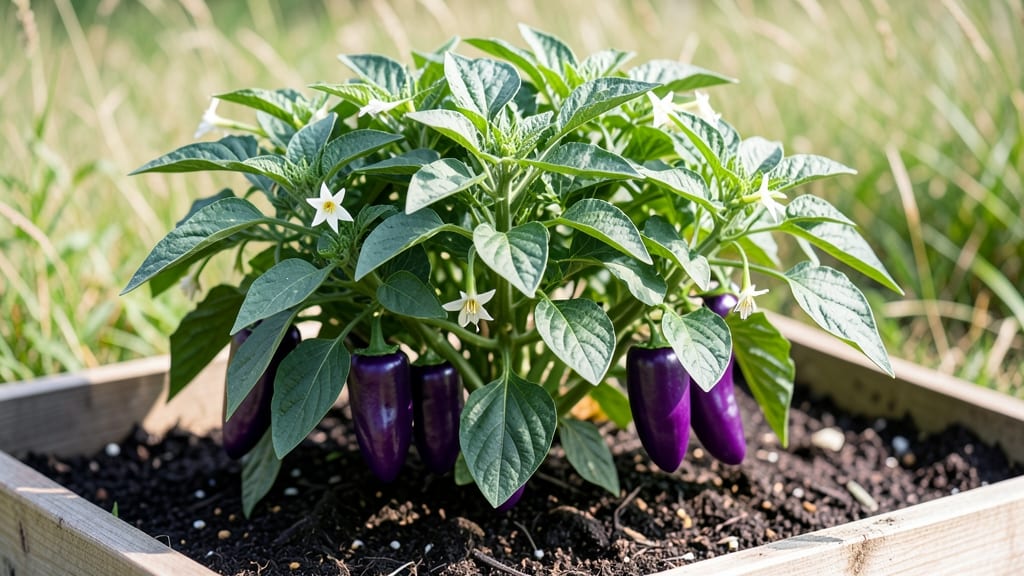
Purple bell peppers get their striking color from anthocyanins, the same pigments found in blueberries and eggplants. 🌿 These antioxidants not only create their vibrant appearance but also contribute to their unique flavor profile—often described as sweeter with subtle floral notes.
Unlike green peppers, which are harvested before ripening, purple varieties maintain their color longer, making them a stunning addition to salads or roasted dishes. I've found that harvesting them at their peak purple stage (just before turning red) preserves the most intense flavor.
For gardeners, purple bell peppers require the same care as their red or green counterparts but benefit from slightly more consistent moisture to maintain their color. Planting them near basil or tomatoes can improve growth, while avoiding over-fertilizing prevents excessive leafy growth at the expense of fruit development.
The key is patience—their rich purple hue fades as they ripen to red, so timing your harvest is everything.
💡 In This Article
- Purple Bell Pepper Varieties and Their Unique Traits
- Tips for Cultivating Healthy Purple Bell Pepper Plants
Purple bell pepper varieties and their unique traits
Purple bell peppers owe their stunning color to anthocyanins, the same water-soluble pigments that give blueberries and blackberries their hue.
These antioxidants not only create their deep purple appearance but also contribute to their unique flavor—often 20-30% sweeter than green peppers due to higher sugar content (around 5-7% compared to green's 3-4%).
The key difference lies in their ripening process: while red peppers develop capsanthin (the red pigment), purple varieties maintain their anthocyanins longer before transitioning to red.
Consider these standout varieties: 'Purple Beauty' (a classic heirloom) boasts thick walls and a mild, slightly sweet taste, while 'Purple Calabash' has a blocky shape and earthier notes. 'Black Beauty', another heirloom, starts deep purple and ripens to black before turning red—its flavor is often described as a cross between red and green peppers with a hint of floral complexity. 🌿 For comparison, a purple pepper's Scoville rating sits at 0 (like all sweet peppers), but their earthy undertones make them more complex than standard red varieties.
The anthocyanins in purple peppers aren't just for show—they're antioxidant powerhouses, with studies showing they have 10-20% higher antioxidant activity than red peppers. This makes them a nutritional upgrade in dishes like stuffed peppers or stir-fries.
However, their color fades quickly when cooked, so for vibrant presentations, use them raw in salads or lightly sautéed where their hue can shine. The flavor also intensifies when harvested at peak purple—waiting until they turn red reduces their unique sweetness.
Gardeners will notice these peppers behave similarly to red varieties but with one critical difference: they're more sensitive to light fluctuations. Inconsistent sunlight can cause their color to fade prematurely.
To preserve their vibrant appearance, plant them in full sun (6-8 hours daily) and avoid over-fertilizing with nitrogen-heavy amendments, which can dilute their pigment intensity. The plants themselves grow 3-4 feet tall, producing 5-10 peppers per plant when given proper care.
For those curious about cooking applications, purple peppers excel in dishes where their visual appeal matters. Try roasting them whole at 400°F for 25-30 minutes—their skin becomes slightly charred while retaining a tender interior.
The flavor pairs beautifully with goat cheese, arugula, and balsamic glaze, creating a dish that's as striking as it is delicious. Their versatility extends to pickling, where their initial purple hue adds a dramatic contrast to traditional green or red pickled peppers.
One lesser-known fact: purple peppers often retain their color longer when stored than red varieties. Keep them in the fridge for up to 2 weeks to maintain their vibrant appearance, though their flavor peaks when used fresh.
For maximum impact, harvest when they're fully purple but still firm—this ensures both visual appeal and peak flavor in your dishes. 💫