
Vegetables
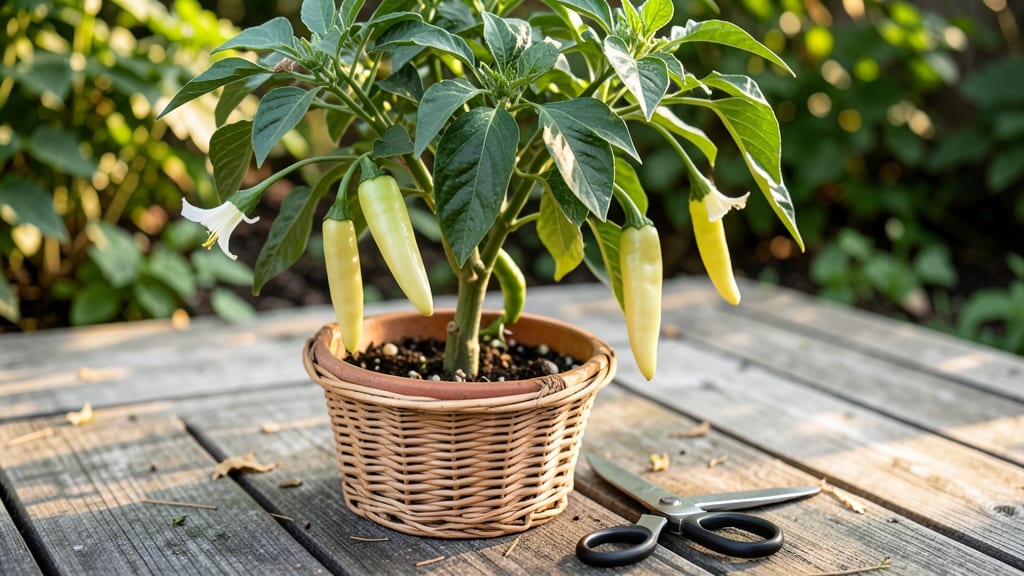
The banana pepper's Scoville heat rating falls between 1,000–5,000 SHU, placing it among the gentlest peppers—far milder than jalapeños but still offering a faint, sweet spice that lingers pleasantly. Their unique blend of fruitiness and warmth makes them perfect for dishes where you want subtle heat without intensity.
Banana peppers earn their mild reputation thanks to their low capsaicin content, which gives them that sweet, almost fruity profile. 🌶️ Unlike hotter peppers, they won't dominate a dish but instead add a gentle kick that enhances flavors rather than overpowers them.
This makes them a favorite for pickling, stuffing, or fresh snacking—where their slight heat can complement other ingredients without stealing the spotlight.
What's fascinating is how their heat varies even within the same pepper—some batches test closer to 1,000 SHU (almost bell pepper-like), while others reach 5,000 SHU (still far below jalapeños). This variability means you can experiment with recipes to find your perfect balance of sweetness and mild spice.
💡 In This Article
- How Banana Pepper Heat Compares to Other Peppers
- Best Ways to Use Banana Peppers in Gardening and Cooking
How banana pepper heat compares to other peppers
Banana peppers owe their mild heat to their low capsaicin concentration—typically measuring between 0.0001% to 0.0005% by weight, compared to jalapeños' 0.00025% to 0.001%. This chemical compound binds to TRPV1 receptors in your mouth, triggering that familiar "heat" sensation.
At 1,000–5,000 SHU, banana peppers sit between bell peppers (0 SHU) and jalapeños (2,500–8,000 SHU), making them a perfect bridge between sweetness and warmth. 🌶️ The key difference?
While jalapeños deliver a sharp, immediate burn, banana peppers provide a gradual, almost fruity warmth that lingers without intensity.
Flavor-wise, banana peppers contain sugars (glucose and fructose) that mask capsaicin's bite, creating their signature sweet-spicy balance. This is why they taste almost tropical when fresh—similar to a cross between a banana (hence the name) and a mild chili.
For reference, a habanero (100,000–350,000 SHU) has 100x more capsaicin than a banana pepper, which explains why even a tiny bite can set your mouth on fire. The sweetness also comes from their higher water content (88–90%), which dilutes the heat further.
Here's how they stack up in real-world comparisons:
- Bell Pepper (0 SHU): Zero heat, all sweetness—like a banana pepper's milder cousin
- Banana Pepper (1,000–5,000 SHU): Gentle warmth with fruity undertones, ideal for fresh snacking
- Jalapeño (2,500–8,000 SHU): Noticeable heat that builds over time, often used in salsas
- Habanero (100,000–350,000 SHU): Intense, citrusy heat that dominates dishes
Their mild heat makes banana peppers uniquely versatile.
Unlike hotter peppers that require careful handling (think gloves, ventilation), you can chop and eat them raw with confidence. 🔥 This is why they're often used in dishes where heat should complement—not overpower—other flavors, like in stuffed peppers or pickled relishes where their subtle spice enhances rather than distracts.
What's often overlooked is how banana peppers' heat evolves during cooking. Raw, their capsaicin is concentrated in the membranes and seeds, but when roasted or sautéed, the oils distribute the heat more evenly, creating a smoother, almost smoky warmth.
This is why recipes like banana pepper jam or roasted pepper spreads develop such complex flavors—the heat becomes part of the overall taste rather than a standalone spice.
For those curious about the science, capsaicin's heat perception is also influenced by temperature sensitivity. Your mouth's TRPV1 receptors are more responsive to heat when the pepper is served at room temperature (around 70°F) rather than icy cold.
This is why banana peppers taste slightly spicier when eaten fresh out of the fridge than when served at ambient temperature—a quirk that explains why they're often enjoyed raw or lightly cooked.