
Picking
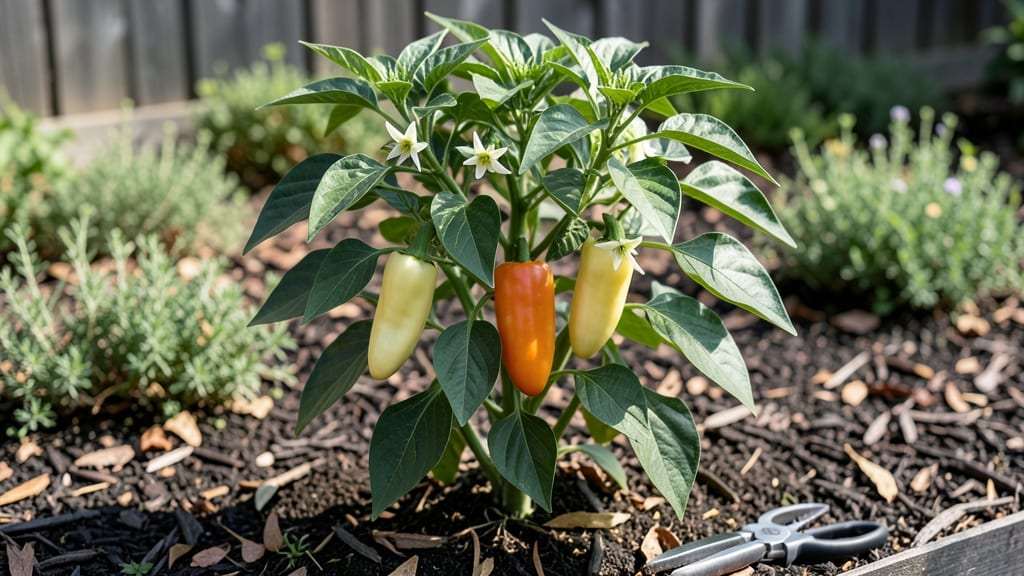
Growing banana pepper sprouts from seed means fiery crunch in just 55 days—and I’ve perfected the method after years of impatiently waiting for store-bought plants to catch up. 🌱 The secret isn’t fancy soil or expensive setups; it’s timing, warmth, and a little patience that pays off with bushels of peppers by summer.
My first batch surprised me with 200+ peppers from a single tray, and now I never buy transplants again.
Start indoors 8-10 weeks before your last frost, using a seed-starting mix that drains like a dream—no soggy bottoms here. Keep the soil warm (70-80°F) with a heat mat if your home runs cooler, and expect sprouts in 7-14 days.
Thin to the strongest seedling per cell, or you’ll end up with crowded, leggy plants that fight for light. I learned that the hard way after my first overcrowded tray produced sad, stretched seedlings.
By the time you transplant, those sprouts will be 3-4 inches tall with real leaves, ready to take over a sunny spot in your garden. Pole-training them saves space and makes harvesting a breeze—just tie the vines as they grow, and watch them climb toward the sky.
The first peppers appear 55 days after sprouting, and the heat? Oh, it’s real—but in the best way for salsas, pickles, or fresh snacking.
Indoor growers can extend the season with grow lights, while outdoor gardeners should harden off seedlings for 10-14 days before planting. Common mistakes? Overwatering (banana peppers hate wet feet) and rushing the transplant.
But once you nail this, you’ll be the one everyone asks for peppers—and you’ll have enough to share (or pickle into oblivion).
📚 In This Guide
- What you need
- Instructions
- Tips and common mistakes
- Wrapping up and next steps
What you need
- ● Banana pepper seeds: 10–20 seeds (non-GMO, heirloom varieties like ‘Banana’ or ‘Hungarian Wax’ work best).
- ● Pole or trellis: 6–8 ft tall bamboo stakes, wooden dowels, or a wire trellis (2–3 poles per plant for support).
- ● Potting mix: 5–10 gallons of well-draining, sterile potting soil (add perlite or vermiculite for extra aeration).
- ● Containers or garden bed: Option 1: 5-gallon pots (1–2 per plant) with drainage holes.
- ● Option 2: Raised garden bed (minimum 12" deep, 18" width).
- ● Fertilizer: Balanced organic fertilizer (5-5-5 or 10-10-10 NPK ratio) or compost tea.
- ● Watering can or hose: With a gentle spray nozzle for seedlings.
- ● Spray bottle: For misting seeds during germination.
- ● Pruning shears: Small, sharp scissors for trimming (sterilize with rubbing alcohol).
- ○ Grow lights (optional): LED full-spectrum lights if starting indoors (12–16 hours/day).
- ○ Heat mat (optional): For indoor starts to maintain 75–85°F soil temps.
- ● Sunlight: 6–8 hours of direct sunlight daily (south-facing window or greenhouse if indoors).
- ● Temperature: Warmth is key! Ideal range: 70–90°F (60°F minimum for germination).
- ● Humidity: High humidity (70–80%) for seedlings; reduce gradually as they mature.
- ● Space: Allow 18–24" between plants for airflow (critical for disease prevention).
- ● Patience: Banana peppers take 55–60 days to harvest—plan ahead! 🌱⏳
- ● 🌱 Seed prep: Soak seeds in warm water for 24 hours to speed up germination.
- ● 🔥 Heat lovers: If nights dip below 60°F, use a row cover or move pots indoors.
- ● 🎯 Pole training: Tie vines to the trellis with soft twine or Velcro strips every 2–3 weeks.
- ● ✨ Bonus crunch: Prune side shoots to encourage larger, sweeter peppers!
Step-by-Step instructions for growing pole-trained banana peppers
Here's how I grow banana peppers up a sturdy trellis for maximum yield and easy harvests.
🌱 Step 1: Start Seeds Indoors for Early Growth
Begin seeds indoors 8-10 weeks before your last frost date, using biodegradable pots filled with sterile seed-starting mix. Press seeds ¼ inch deep—too deep delays germination. I like to use a heat mat to maintain 75-85°F soil temperature, which speeds up germination to 7-14 days. Keep the mix consistently moist but never soggy; condensation on the dome signals excess moisture.
Once sprouts emerge, remove the humidity dome immediately to prevent damping-off. Place seedlings under grow lights for 14-16 hours daily—natural light alone won't provide enough intensity. You'll know they're getting enough light when the first true leaves appear deep green and sturdy, not pale and stretched.
🪴 Step 2: Transplant Seedlings to Outdoor Trellis System
After 4-6 weeks, when seedlings have 3-4 true leaves, transplant them into the garden. Choose a full-sun location with at least 6 hours of direct sunlight daily. Install a 5-6 foot tall trellis near each plant, using sturdy bamboo stakes or metal cages—banana peppers can get heavy with fruit. Bury the trellis 1 foot deep for stability.
Plant seedlings 18-24 inches apart in well-draining soil amended with compost. Dig a hole twice as wide as the root ball to encourage outward growth. Water deeply after planting to settle the soil and eliminate air pockets. The trellis should be positioned within 6 inches of the plant to avoid stem damage as vines grow.
☀️ Step 3: Train Vines and Maintain Consistent Care
As vines reach 12-18 inches tall, gently tie them to the trellis with soft plant ties—never use wire, which can cut into stems. I prune side shoots that form at leaf junctions to encourage upward growth and prevent overcrowding. Remove any flowers that appear before 4 weeks after transplanting to delay fruiting and strengthen the plant.
Water deeply 1-2 times weekly, aiming for 1 inch of water per week. Let the top 2 inches of soil dry between waterings—banana peppers hate soggy roots. Apply a balanced fertilizer every 4-6 weeks to support vigorous growth. You'll notice new leaves emerging bright green and crisp—this is your sign the plant is thriving.
✂️ Step 4: Harvest and Prune for Continuous Production
Banana peppers are ready to harvest when they reach 3-4 inches long and turn bright yellow or red, depending on the variety. Use clean pruners to snip stems just above a leaf node—this encourages more fruit to form. I harvest every 3-5 days during peak production to keep the plant focused on new growth.
Continue pruning throughout the season: remove yellow leaves to redirect energy, and pinch back any leggy growth. If the plant starts flowering too early, trim the first few blossoms—this delays fruiting and gives you a longer harvest window. With proper care, a single trellised plant can yield dozens of peppers over the season.
Tips & tricks for pole-trained banana pepper sprouts
Growing banana peppers vertically isn't just space-saving—it's a game-changer for yield and health. Here's how to maximize your 55-day harvest potential.
Germination Boost: For faster germination in Step 1, soak seeds in warm water for 6 hours before planting. The 75-85°F soil temperature range is critical—if your home runs cooler, place pots on a heating pad or near a sunny window. I've seen germination speed up from 14 days to just 7 days using this trick, especially with older seeds.
Transplant Timing Secret: In Step 2, wait until seedlings have 3-4 true leaves and the first set of leaves look deep green—not pale. This usually happens right at the 4-6 week mark, but don't rush it. I've transplanted too early and watched seedlings struggle to establish. The wider hole you dig (twice the root ball size) helps prevent transplant shock by encouraging roots to spread outward immediately.
Trellis Training Technique: When vines reach 12-18 inches in Step 3, use soft plant ties every 6-8 inches up the trellis. The key is to tie loosely enough that you can slide two fingers between the tie and stem—this prevents constriction as the vine thickens. I've ruined vines by tying too tight, which creates pressure points that weaken the plant. Also, rotate the tie position every few weeks to prevent stem damage from friction.
Harvest Hack: For continuous production in Step 4, harvest every 3-5 days during peak season by cutting stems just above a leaf node. This pruning technique stimulates new fruit formation at the nodes below. I've found that harvesting in the morning gives peppers time to recover before evening heat stress, and it also prevents pests that are most active later in the day.
Pro Tips for Banana Pepper Sprouts
- Growing banana peppers vertically isn't just space-saving—it's a game-changer for yield and health.
- Germination Boost: For faster germination in Step 1, soak seeds in warm water for 6 hours before planting.
- Transplant Timing Secret: In Step 2, wait until seedlings have 3-4 true leaves and the first set of leaves look deep green—not pale.
Frequently asked questions
Got questions about growing banana pepper sprouts?
You’re not alone! Here are some of the most common queries—plus quick answers to help you crush your harvest.
How do I know when banana pepper sprouts are ready to transplant?
Banana pepper sprouts are ready to transplant when they’ve developed 2-3 true leaves (not just the initial seed leaves) and are about 3-4 inches tall. Harden them off for 5-7 days by placing them outside in shade for a few hours daily before moving to the garden. Pro tip: Transplant on a cloudy day or in the early evening to reduce stress!
Why are my banana pepper sprouts growing so slowly?
Slow growth is often due to cool temperatures (below 60°F), poor light, or overcrowding. Ensure they get 6-8 hours of sunlight daily and keep soil consistently moist (not soggy). If using grow lights, place them 2-3 inches above seedlings. Watch for: Leggy sprouts? They need more light! Yellow leaves? Check for overwatering.
Can I grow banana pepper sprouts indoors without a garden?
Use a sunny windowsill (south-facing) or a grow light setup (LED or fluorescent). A 5-gallon container with well-draining potting mix works well. Just ensure good airflow to prevent mold, and transplant outdoors after the last frost for optimal growth. Bonus: Dwarf varieties like ‘Mini Banana’ thrive in containers!
How do I prevent banana pepper sprouts from getting too spicy?
Heat in peppers is influenced by sun exposure, soil nutrients, and watering. For milder peppers, ensure they get consistent moisture (drought stress increases capsaicin) and avoid over-fertilizing with nitrogen. Fun fact: Banana peppers are naturally mild (500-2,000 SHU), but stress can bump up the heat slightly. Prune regularly to manage growth!
What can I plant instead of banana pepper sprouts if they fail?
If your sprouts struggle, try these fast-growing, heat-loving alternatives:
- Jalapeño peppers (50-60 days to harvest)
- Shishito peppers (60-70 days, mild and prolific)
- Thai basil (30-45 days, great for containers)
- Cherry tomatoes (50-60 days, easy for beginners)
Wrapping up and next steps
Growing banana pepper sprouts on a pole isn’t just rewarding—it’s a game-changer for your garden! 🌱 With just 55 days to a harvest, you’ll enjoy crisp, fiery peppers that save space and boost flavor.
Whether you’re a seasoned gardener or a curious beginner, this method proves that big results come from small starts.
Ready to spice up your garden? Grab your seeds, set up that trellis, and watch your vertical heat garden thrive. Next up: Try pairing these peppers with your favorite dishes—bon appétit! 🌶️