
Picking
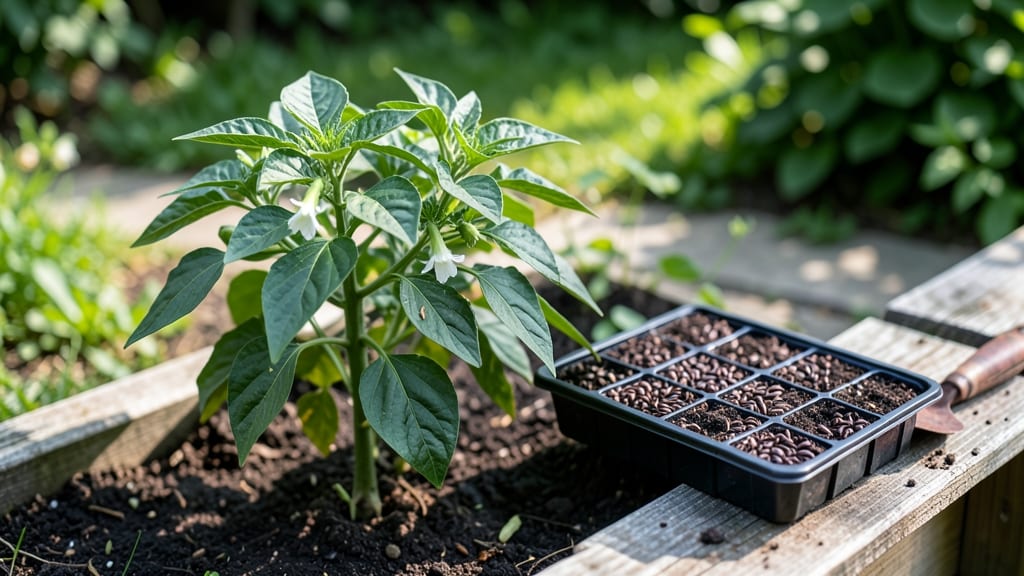
Starting jalapeno seeds indoors gives you a 60-day head start on fiery harvests that store-bought peppers can't match. 🌱 I learned the hard way that timing and soil temperature are everything—plant too early, and seedlings stretch like gangly teenagers; too late, and you're scrambling for transplants when the season's already halfway gone.
The secret? A warm, consistent environment and just the right amount of patience.
You'll need a seed-starting tray, sterile potting mix, and a heat mat (or sunny windowsill) to keep soil between 75-85°F—jalapenos won't germinate otherwise. Plant seeds ½ inch deep, 2 inches apart, and keep them moist but never soggy.
Most seeds sprout in 7-14 days, but if your kitchen stays chilly, consider a grow light to prevent leggy seedlings that flop over like overwatered weeds.
By the time you transplant those sturdy seedlings outdoors (after last frost), you'll have 12-inch-tall plants ready to climb poles or cages. The first green peppers appear in 50-60 days, and the heat builds from there—imagine the salsa possibilities.
The key is consistency: water at the roots, not the leaves, and watch for pests like aphids that love tender new growth.
This method works whether you're growing in a container on a balcony or a full garden bed, and the same principles apply to other pepper varieties. The only real mistake? Waiting until spring to start seeds. Let's get those fiery babies growing!
📚 In This Guide
- What you need
- Instructions
- Tips and common mistakes
- Wrapping up and next steps
What you need
- ● Jalapeño seeds: 10–20 seeds (choose heirloom or hybrid varieties like "Early Jalapeño" or "Big Jim" for best results).
- ● Seed-starting mix: 1–2 quarts of sterile, well-draining potting soil (avoid garden soil—it can harbor diseases!).
- ● Seed trays or small pots: 2–4 biodegradable or plastic cell packs (2–3 inches deep) or 4–6 small pots (3–4 inches in diameter).
- ● Clear plastic domes or plastic wrap: To create a mini greenhouse effect and retain humidity.
- ● Spray bottle: With water (for gentle misting).
- ● Grow lights or sunny windowsill: A full-spectrum LED grow light (12–16 hours/day) or a south-facing window with 6–8 hours of direct sunlight.
- ● Plant labels: Small sticks or markers to track varieties (especially if growing multiple types!).
- ● Fertilizer: Balanced water-soluble fertilizer (5-10-5 or 10-10-10 ratio) or fish emulsion (diluted to half-strength).
- ● Trowel or small shovel: For transplanting seedlings later.
- ○ Pole or trellis system (optional but recommended): Bamboo stakes (5–6 feet tall) or cattle panels (for large-scale growing).
- ● Twine or soft plant ties (to secure vines as they grow).
- ○ Heat mat (optional): For faster germination if your space is <65°F (18°C).
- ● Timing: Start seeds 8–10 weeks before your last frost date (jalapeños need 60–70 warm days to mature!).
- ● Warmth: Ideal germination temp: 70–85°F (21–29°C). Avoid cold drafts!
- ● Patience: Germination takes 7–21 days—stay consistent with moisture and light!
Step-by-step instructions for seeding jalapeno peppers
Here's how I grow bold, heat-packed jalapenos in just 60 days using pole training.
🌱 Step 1: Start Seeds Indoors with Warmth and Humidity
Fill small seedling trays with a sterile seed-starting mix and plant jalapeno seeds ¼ inch deep, spacing them 1 inch apart. I like to use biodegradable pots because they eliminate transplant shock when moving to the garden. Keep the soil consistently moist at 75-85°F—this warmth speeds germination to 7-14 days. Cover the tray with plastic wrap or a humidity dome to trap moisture, but remove it immediately once sprouts appear to prevent fungal issues.
Place the tray under a grow light positioned 2-3 inches above the seedlings. Without proper light, seedlings stretch toward the window and become weak. You'll know the light is right when the first true leaves are dark green and compact, not pale and elongated. Keep the soil surface damp but never soggy—overwatering at this stage causes damping-off, a deadly fungal disease.
☀️ Step 2: Harden Off Seedlings Before Transplanting
Two weeks before your last frost date, begin hardening off seedlings by moving them outside for 1-2 hours daily in a sheltered spot. Gradually increase their outdoor time over 7-10 days, eventually leaving them out overnight. This process toughens their cell walls and prepares them for garden conditions. Watch for wilting or yellowing leaves—these are signs they're not ready yet and need more time to acclimate.
By the time you transplant, seedlings should have 4-6 true leaves and sturdy stems. Choose a cloudy day for transplanting to reduce stress. Dig holes twice as wide as the root ball but no deeper, and space plants 18 inches apart in rows 24 inches apart. This spacing gives them room to grow without competing for nutrients.
🪴 Step 3: Train Seedlings on Poles for Vertical Growth
Install 5-6 foot tall bamboo stakes or metal poles in the ground near each plant at the time of transplanting. Gently tie the main stem to the pole using soft plant ties or strips of old fabric. As the plant grows, guide the stem upward, tying it every 12 inches to keep it upright. Pole training saves space, improves air circulation (reducing disease risk), and makes harvesting easier.
Fertilize lightly with a balanced 10-10-10 formula at half strength when the first flowers appear. Jalapenos are heavy feeders, but too much nitrogen early on leads to leafy growth at the expense of fruit. Instead, focus on consistent watering—keep the soil 1-2 inches deep moist but never waterlogged. You'll see white flowers in about 45 days, signaling the start of fruit production.
✂️ Step 4: Prune and Harvest for Maximum Yield
When the first fruits appear, pinch off any side shoots growing below the first 4-5 nodes on the main stem. This encourages energy to focus on fruit production rather than leaf growth. You'll also want to prune suckers (small shoots growing where the stem meets a leaf) to maintain a single, strong stem. Use clean, sharp pruners to avoid damaging the plant.
Harvest jalapenos when they reach 3-4 inches long for the mildest flavor, or wait until they turn deep green and slightly waxy for maximum heat. Twist fruits gently to remove them—don’t pull, as this can damage the plant. With proper care, a single pole-trained jalapeno plant can produce 20-30 peppers in a single season. Store harvested peppers in the fridge for up to 2 weeks or freeze them for long-term use.
Tips & tricks for pole-trained jalapeno growth
These game-changing strategies will help you maximize your jalapeno harvest within the 60-day window.
Germination Temperature: Maintaining that 75-85°F soil temperature during germination is non-negotiable. I use a seedling heat mat set to 80°F under my trays—this consistent warmth cuts germination time to 7-10 days instead of the longer end of the range. If your home is cooler, consider a small greenhouse or sunny windowsill with a clear plastic cover to trap heat.
Lighting Secret: The 2-3 inch distance from grow lights is critical—any closer and seedlings burn, any farther and they stretch. I use LED grow lights on a timer for 14-16 hours daily to mimic summer sunlight. Watch for those first true leaves turning dark green and compact—this is your confirmation the light is perfect. If leaves look pale or leggy, you need more light or closer positioning.
Harden Off Gradually: The 1-2 hour daily outdoor exposure should start with just sunlight, no wind. I place seedlings in a sheltered spot like under a patio cover or against a south-facing wall. Gradually move them to sunnier spots as they toughen. If you see wilting or yellowing after 7-10 days, they're not ready—extend the process by another day or two. This gradual transition prevents transplant shock that can stunt growth.
Pole Training Pro Tip: When installing your 5-6 foot poles, bury them 6 inches deep and stake them securely before tying the main stem. Use soft plant ties that won't cut into the stem as the plant grows. I like to tie every 12 inches with a loose knot that can be easily adjusted—this prevents stem damage while keeping the plant upright. The vertical growth not only saves space but also creates better air circulation around the plant, reducing disease risk.
Pro Tips for Seeding Jalapeno Peppers
- These game-changing strategies will help you maximize your jalapeno harvest within the 60-day window.
- Germination Temperature: Maintaining that 75-85°F soil temperature during germination is non-negotiable. I use a seed...
- Lighting Secret: The 2-3 inch distance from grow lights is critical—any closer and seedlings burn, any farther and th...
Frequently asked questions
Got questions about growing your own fiery jalapenos?
You’re not alone—seed starting can feel tricky! Here are answers to the most common queries to help you grow bold, flavorful peppers from seed.
When is the best time to start jalapeno seeds indoors?
Start seeds 8–10 weeks before your last frost date for a head start. Jalapenos thrive in warm soil (70–85°F), so use a heat mat if needed. If you’re in a short-season zone, opt for fast-maturing varieties (like ‘Early Jalapeño’) or direct-sow after soil warms to 60°F.
How deep should I plant jalapeno seeds?
Plant seeds ½ inch deep in moist, well-draining seed-starting mix. Press them gently—don’t bury too deep, or they may struggle to sprout. Label trays or pots to track varieties, as jalapenos can cross-pollinate with other peppers.
What’s the fastest way to germinate jalapeno seeds?
Speed up germination with warmth and humidity:
- Use a heat mat (75–85°F) or place trays on top of a fridge.
- Cover with plastic wrap or a humidity dome until sprouts appear (5–14 days).
- Avoid overwatering—keep soil consistently moist, not soggy.
Pro tip: Soak seeds in warm water for 4–6 hours before planting to kickstart growth!
Can I grow jalapenos from store-bought seeds?
Yes, but with a caution: Store-bought peppers may be hybrid (F1) or treated to prevent germination. Try the paper towel method—tape seeds between damp paper towels, then transfer sprouted seeds to soil. For reliability, buy heirloom or open-pollinated seeds from seed savers.
Why aren’t my jalapeno seedlings growing tall?
Slow growth usually stems from light, temperature, or nutrients:
- Light: Seedlings need 14–16 hours of bright light daily (use grow lights if natural light is weak).
- Temperature: Keep soil at 70°F+; cooler temps stall growth.
- Nutrients: Fertilize with a balanced seedling mix (5-5-5) when true leaves appear.
If leaves look pale or yellow, they may need more nitrogen or less water.
How do I harden off jalapeno seedlings before transplanting?
Acclimate seedlings over 7–10 days by gradually exposing them to outdoor conditions:
- Start with 1–2 hours daily in partial shade, increasing time each day.
- Move to direct sun for the last 2–3 days before transplanting.
- Avoid harden-off during heatwaves or cold snaps—wait for mild weather.
Transplant in the late afternoon to reduce stress.
Wrapping up and next steps
Seeding jalapeño peppers is a rewarding journey that delivers bold, homegrown heat in just 60 days—especially when you harness the power of pole training! 🌱 With the right materials, patience, and a few pro tips, you’ll transform tiny seeds into fiery, vine-climbing treasures.
Whether you’re a first-time gardener or a seasoned grower, this method makes it easier than ever to enjoy fresh, spicy peppers straight from your garden.
Now that you’re armed with knowledge, take the next step—grab those seeds, prep your poles, and start planting! 🌿 Before you know it, you’ll be harvesting jalapeños to spice up everything from salsas to grilled favorites. Happy growing! 🔥