
Picking
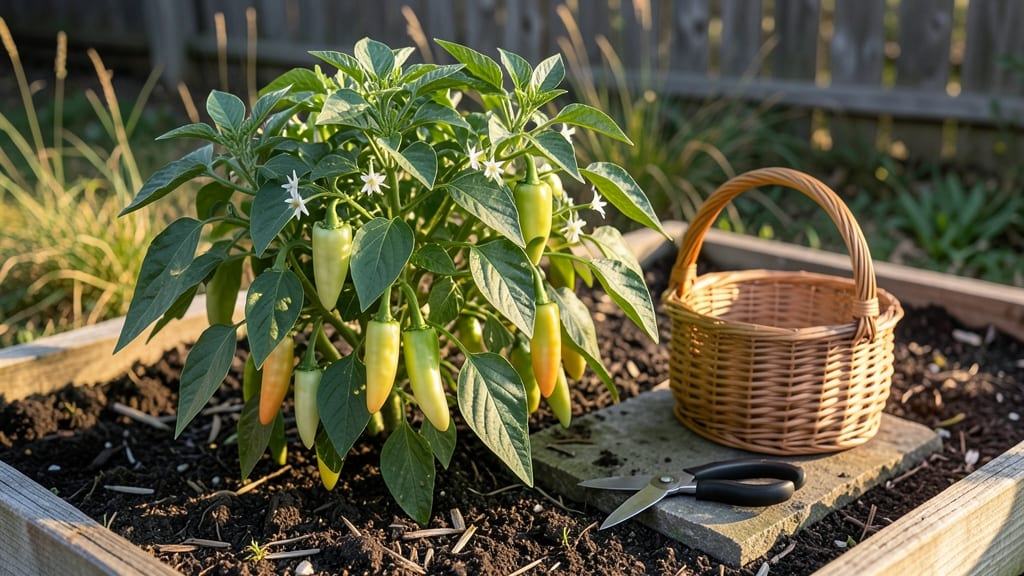
Picking banana peppers 🌶️ at the right time means the difference between sweet, tangy flavor and bitter disappointment.
You might think color alone determines ripeness, but those green-to-yellow-to-red shifts are just part of the story. The perfect harvest depends on three key cues that most gardeners miss—until now.
From Zone 6 gardens to containers on patios, timing matters more than you’d expect. A pepper left too long on the vine loses its crisp texture and sweetness, while picking too soon means bland, underdeveloped flavor.
Here’s how to spot the exact moment your banana peppers are ready—plus how to adjust for hot summers or cool autumns—so you never waste another harvest.
Banana pepper color stages: when each shade means sweetness or bitterness
Banana peppers are one of the most rewarding peppers to grow because their color changes directly correlate with flavor shifts. When picked too early, they taste bitter and firm; when left too long, they become soft and overly sweet.
The key is understanding what each color stage means for your harvest.
Most gardeners focus on the yellow stage as peak ripeness, but the full journey from green to red reveals a spectrum of flavor and texture. Temperature and sunlight play critical roles in triggering these changes, so your local climate will influence timing.
Let’s break down what each color means for your banana peppers.
The green stage is where most banana peppers start, and they’re often harvested here for pickling or stuffing. At this point, they’re crisp and mildly bitter, making them perfect for preserving.
However, if you’re growing them for fresh eating, waiting for the yellow stage is ideal because that’s when their sweetness peaks.
Temperature plays a huge role in ripening. Banana peppers need consistent warmth (above 70°F) to transition from green to yellow. If nights dip below 60°F, ripening slows dramatically.
In cooler climates, you might see peppers stay green longer, so consider using row covers or moving plants to a greenhouse to speed up the process.
When peppers turn bright yellow, that’s your sweet spot for slicing or eating fresh. Their tangy-sweet flavor is at its peak, and the texture is just firm enough for salads or grilling.
This stage is also perfect for freezing because the sweetness holds well. If you miss this window, don’t worry—peppers will continue ripening to red, but their texture becomes softer.
The red stage is where banana peppers develop their deepest sweetness, almost like a cross between a pepper and a tomato. However, their texture softens significantly, making them better suited for roasting, drying, or blending into sauces.
If you live in a short-season climate, harvesting at red ensures you get the sweetest flavor before frost hits.
Sunlight is another critical factor. Peppers need 6+ hours of direct sun daily to ripen properly. If your plants are shaded, they may stay green or develop uneven colors. Prune nearby plants or use reflective mulch to maximize sunlight exposure. Even distribution of light ensures all peppers ripen evenly.
Pro tip: If you’re unsure whether a pepper is ready, give it a gentle squeeze. A ripe banana pepper should yield slightly to pressure but not feel mushy. Also, check the stem end—it should turn yellow as the pepper ripens. If it’s still green, wait a few more days.
For gardeners in hotter climates, peppers may ripen faster, so monitor them closely to avoid overripe peppers. In cooler areas, extend the growing season with cold frames or move plants indoors before the first frost.
With the right timing, you’ll enjoy a continuous harvest of sweet, flavorful banana peppers all season long.
How to test banana pepper ripeness beyond color: tactile and taste tricks
Color isn’t the only way to judge banana pepper ripeness. While yellow or red hues signal sweetness, tactile tests and taste sampling reveal hidden clues. I’ve learned the hard way that overripe peppers lose their crisp texture and develop a bitter aftertaste, while underripe ones stay tough and bland.
Start by examining the stem end—a subtle but critical indicator. When ripe, the stem should separate cleanly from the pepper with a gentle twist. If it resists or tears, the pepper needs more time. This trick works even for green banana peppers if you prefer their milder flavor.
Next, press your thumb into the pepper’s skin. A ripe banana pepper yields slightly to pressure but doesn’t feel mushy. Overripe peppers collapse under touch, while unripe ones stay rock-hard.
Pro tip: Smell the pepper—ripe ones emit a sweet, fruity aroma, while unripe peppers have little to no scent.
⚠️ callout-warning ⚠️
Overripe peppers (soft, wrinkled skin) lose sweetness and gain bitterness. Underripe peppers (hard, pale) stay bland and tough. Test 3 peppers from different plants—ripening varies even in the same batch! Use a sharp knife to harvest, cutting 1 inch above the stem to prevent disease.
For a definitive answer, taste-test one pepper from each plant. The sweetest flavor appears when the pepper reaches 2-3 inches long and develops a bright yellow or red color. If it’s still tart, wait 2-3 more days—patience pays off with peak flavor. Save slightly underripe peppers for pickling or cooking, where their firm texture holds up well.
Seed maturity also matters. A fully ripe banana pepper has plump, dark seeds visible through the skin. If seeds look shriveled or pale, the pepper isn’t ready. I once harvested a batch with uneven seed color, and the flavor was inconsistent—lesson learned! Always check seeds when in doubt.
If you miss the peak ripeness window, don’t toss those peppers. Green or slightly underripe ones roast beautifully, while overripe peppers work well in salsas or sauces. Store them in a paper bag in the fridge to slow ripening—this buys you 1-2 extra weeks to perfect their flavor.