
Picking
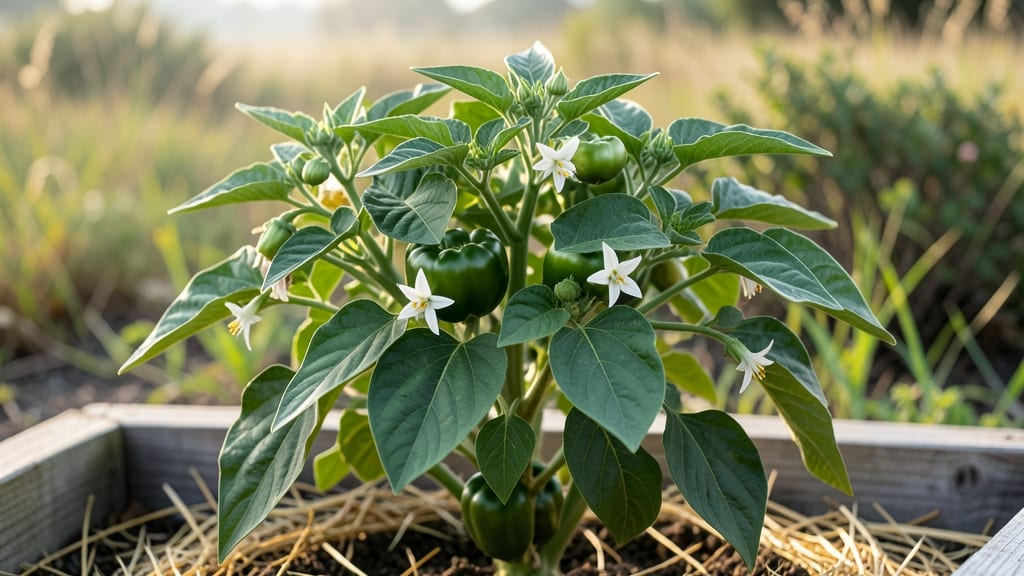
When bell pepper buds refuse to turn into peppers, it’s usually a sign your plants are stressed—whether from heat, thirst, or overcrowding. 🌶️ I’ve watched buds drop like rain after my first season, but now I know exactly how to coax those flowers into fruit: prune strategically, balance water, and keep temps steady.
The right cuts can double your harvest by encouraging bushier growth.
Start by removing any buds that form before the first true leaves—these early flowers sap energy your plant needs to establish strong roots. Once flowering begins, prune suckers (the shoots between main stems and branches) to redirect energy upward.
A sharp pair of shears and a sunny afternoon are all you need, plus a quick check for pests hiding in the foliage.
You’ll notice new buds forming within 2-3 weeks of proper pruning, and existing flowers will swell into peppers faster. The key is consistency: prune every 10-14 days during peak growing months, and always cut just above a leaf node.
This keeps the plant focused on producing fruit instead of extra foliage.
If buds still drop, check for underwatering (soil should stay evenly moist) or overheating (peppers need temps between 70-85°F). A light mulch layer helps regulate soil temps, and morning watering prevents fungal issues. With these tweaks, your plants will shift from struggling to thriving—no more wasted buds!
📚 In This Guide
- What you need
- Instructions
- Tips and common mistakes
- Wrapping up and next steps
What you need
- ● Bell pepper plants: Healthy, established plants (6+ weeks old, preferably with visible buds or small peppers forming).
- ● Pruning shears or sharp bypass pruners: 1 pair (sterilized with rubbing alcohol to prevent disease). Avoid dull tools—clean cuts heal faster!
- ● Gloves: 1 pair (gardening gloves to protect hands from thorns and sap).
- ● Compost or well-aged manure: Small bag or 1–2 gallons (for fertilizing after pruning).
- ● Watering can or hose with a gentle nozzle: (for post-pruning hydration).
- ● Sunlight and water access: Ensure your plants get 6–8 hours of sunlight daily and consistent moisture (but no soggy soil!).
- ● Plant growth regulator (e.g., seaweed extract or diluted apple cider vinegar): Helps stimulate bushier growth post-pruning.
- ● Mulch (straw or shredded leaves): 1–2 inches to retain moisture and suppress weeds.
- ● Plant support (stakes or cages): If your peppers are top-heavy after pruning, add support to prevent stress.
- ● Label markers: To track pruned sections and monitor progress over time.
- ● Disinfectant spray (hydrogen peroxide or copper fungicide): For sterilizing tools between plants.
How to prune bell pepper plants for maximum yield
Here's the simple pruning method I use to turn skinny pepper plants into bushy, fruit-loaded powerhouses.
✂️ Step 1: Identify and Remove Suckers Early
Start checking your pepper plants when they reach 12-18 inches tall. Look for small shoots growing in the V-shaped junction between the main stem and branches—these are suckers. They steal energy from fruit production, so pinch them off cleanly with your fingers or clean pruners. I do this every 3-5 days during active growth.
Real talk: these little shoots appear fast, especially in warm weather. Don't wait until they're 2 inches long—remove them when they're just quarter-inch nubs. That's when pruning actually helps, not hurts, your plant.
☀️ Step 2: Prune Lower Leaves for Airflow
Once your plant hits 2 feet tall, start removing the bottom 6-8 inches of leaves. This might seem counterintuitive, but those lower leaves block airflow and trap moisture where fungal diseases like early blight love to hide. Use clean pruners to cut just above the leaf stem, leaving a tiny bump.
Here's the thing—don't go overboard. You're not doing a radical makeover; just clear out the crowded areas. I leave a few leaves near the base to help with photosynthesis while still allowing good circulation. You'll know you've done enough when you can see light reaching all sides of the plant.
🌿 Step 3: Encourage Lateral Branches
After removing suckers, focus on the main branches. When you see a strong lateral branch growing from the main stem (usually within 1-2 inches of the main stem junction1-2 leaves to redirect energy.
Watch for branches growing directly upward—they're called "water sprouts" and they waste energy. Snip them off at the base. You'll see your plant start to fill out within 2-3 weeks of consistent pruning, with more compact growth and thicker stems that can support heavier fruit loads.
💧 Step 4: Maintain Through the Season
Continue your pruning routine throughout the growing season, but adjust your focus as the plant matures. Once flowers appear, stop removing suckers—they're less aggressive at this stage and won't compete with fruit. Instead, focus on removing any leaves that shade the fruit clusters, especially the ones growing directly above developing peppers.
I like to do a final light pruning 4-6 weeks before first frost to clean up any dead or diseased leaves. This helps the plant put its final energy into ripening existing fruit rather than maintaining foliage. You'll know you're doing it right when your plant looks like a well-groomed bush rather than a wild tangle.
⏰ Step 5: Post-Harvest Pruning
After your main harvest season, give your pepper plant one last pruning. Cut back any remaining fruit stems to 6 inches tall and remove all but the top 4-6 leaves from the main stem. This helps the plant recover its energy for next season and prevents pests from overwintering in dense foliage.
Don't worry if your plant looks nearly bare after this final prune. The roots will still be active and storing nutrients. Water deeply after pruning to help the plant recover, and you'll have a head start on next year's harvest. I've had plants come back stronger after this treatment, producing even more fruit in their second season.
Tips & tricks for perfect bell pepper buds pruning
Transforming your pepper plants into fruit factories starts with these pruning secrets that'll keep your plants healthy and productive all season long.
Timing is Everything: The 3-5 day interval for removing suckers in Step 1 works best during the plant's active growth phase. I check my plants every morning after watering when the stems are slightly pliable. This makes it easier to spot those tiny quarter-inch suckers before they become energy vampires. Remember, the earlier you catch them, the better the results.
Tool Tip: Keep your pruners clean and sharp—dull tools crush stems instead of making clean cuts. I dip mine in rubbing alcohol between plants to prevent spreading disease. For suckers, your fingers work just fine, but for thicker stems, clean pruners make the job easier and less messy.
Visual Cues for Pruning: When pruning lower leaves in Step 2, aim to create a "light tunnel" effect. You should be able to see sunlight reaching the center of the plant. I like to hold my hand about 6 inches from the plant—if I can't see light through my fingers, I need to remove more leaves. This airflow is crucial for preventing fungal diseases that can ruin your harvest.
Seasonal Adjustments: In Step 4, when flowers appear, shift your focus to removing only leaves that directly shade fruit clusters. I use a small notepad to track when I last pruned each plant—this helps me maintain the routine without overdoing it. The key is consistency: regular light pruning keeps your plants productive without stressing them.
Pro Tips for Bell Pepper Buds
- Transforming your pepper plants into fruit factories starts with these pruning secrets that'll keep your plants healthy and productive all season long.
- Timing is Everything: The 3-5 day interval for removing suckers in Step 1 works best during the plant's active growth phase.
- Tool Tip: Keep your pruners clean and sharp—dull tools crush stems instead of making clean cuts.
Frequently asked questions
When should I prune bell pepper buds for the best results?
Prune bell pepper buds early in the season (when plants are 12–18 inches tall) to encourage bushier growth. Focus on removing the first few flower buds to redirect energy to foliage and root development. Once the plant is established (after 6–8 weeks), you can allow some buds to set fruit while still pruning excess ones to maintain balance.
What if I accidentally prune too many buds—will my plant still produce fruit?
Don’t panic! Even if you over-prune, your plant will adjust and produce fruit—just possibly fewer or later in the season. Focus on leaving 3–5 main stems and a few key buds per stem. Prune strategically next time, and your plant will bounce back with a stronger harvest.
Can I use the pruned buds for anything else, like cooking or compost?
While the buds themselves aren’t typically used in cooking, you can compost them or even dry and save the seeds for next year’s garden. If you’re feeling creative, try blending young pepper leaves (in moderation) into pestos or soups—they’re mild and nutritious!
My pruned buds aren’t growing back—what’s going wrong?
Check for underwatering, poor soil nutrition, or pest damage. Ensure your plant gets 1–1.5 inches of water weekly and a balanced fertilizer (high in phosphorus for blooms). If buds are wilting or falling off, inspect for aphids or spider mites—treat with neem oil if needed.
Are there alternatives to pruning for bushier bell peppers?
Yes! Try pinching (removing the top growth) or thinning leaves around the base to improve airflow. Another trick: side-dress with compost to boost root health. However, pruning buds is the most effective way to control growth and maximize fruit production.
Wrapping up and next steps
Growing lush, productive bell pepper plants starts with understanding the power of pruning—especially those tiny buds that hold the key to a bountiful harvest! 🌱 By mastering the art of trimming, you’ll encourage stronger stems, more flowers, and a healthier, bushier plant that rewards you with vibrant peppers all season long.
Ready to put your new skills to work? Grab your pruners and give your plants the love they deserve—your future harvest (and your taste buds!) will thank you. Start pruning today and watch your garden thrive!