
Trees
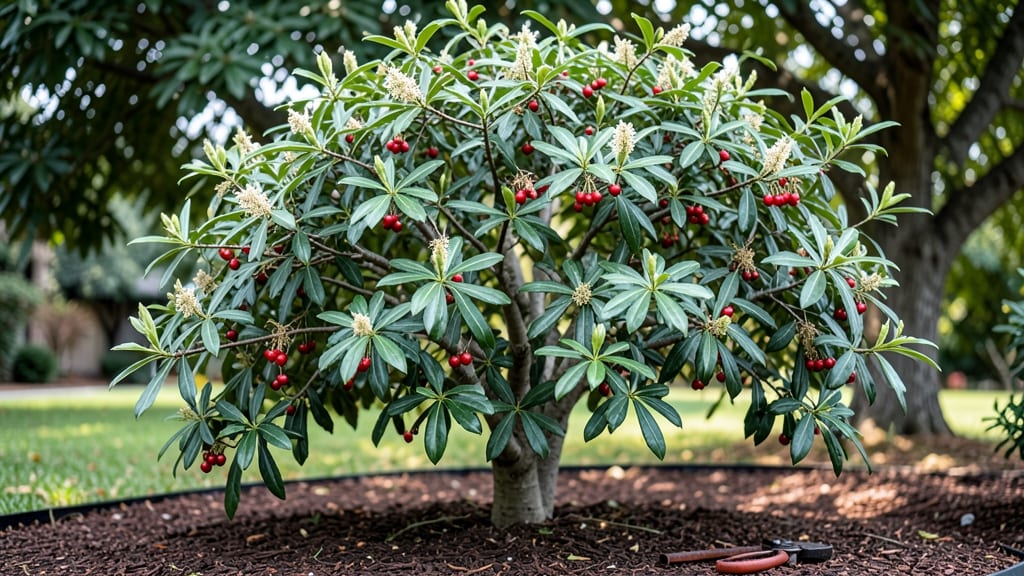
Brazilian pepper trees are invasive because they reproduce rapidly through seeds and underground roots, choking out native vegetation and altering entire ecosystems. Their ability to thrive in disturbed soils and resist drought makes them particularly problematic in Florida's climate.
These trees don't just spread—they dominate. 🌿 Once established, a single plant can produce thousands of seeds annually, which birds and wildlife eagerly disperse, creating dense thickets that block sunlight from reaching native understory plants.
Their root systems also sprout new shoots when cut, making manual removal a constant battle. Unlike many invasive species, Brazilian pepper trees outcompete even hardy native species like live oaks, transforming entire landscapes into monocultures.
What makes them especially dangerous is their adaptability. They thrive in poor soil, tolerate drought, and even survive wildfires better than many native plants. In Florida alone, they've spread across 1.5 million acres, displacing critical habitat for endangered species like the Florida scrub-jay.
The ecological damage isn't just aesthetic—it's systemic, affecting everything from water cycles to wildlife corridors.
💡 In This Article
- Why Brazilian Pepper Trees Spread So Aggressively
- Effective Control Methods for Brazilian Pepper Trees
Why Brazilian pepper trees spread so aggressively
Brazilian pepper trees (Schinus terebinthifolius) dominate ecosystems through a combination of biological advantages. Their seed production is staggering—each tree can release up to 20,000 seeds per year, and birds like mockingbirds and cardinals disperse them widely.
Unlike many native plants, these seeds remain viable in the soil for years, waiting for the right conditions to sprout. 🌱 The lack of natural predators in Florida means no animals or fungi evolved to control their populations, giving them a free pass to multiply uncontrollably.
Their growth rate is another key factor. Brazilian pepper trees can grow 3-5 feet per year, quickly outshading native plants. Studies show they grow twice as fast as native live oaks in similar conditions, allowing them to monopolize sunlight and nutrients.
Their deep root systems also extract water from deep soil layers, making them resilient during droughts—a trait that gives them an edge over moisture-sensitive native species.
Disturbed habitats accelerate their spread. Construction sites, cleared land, and even roadside ditches provide perfect entry points. Once established, they form dense thickets that block sunlight, preventing native seedlings from growing.
This "shade dominance" strategy is similar to how kudzu vines smother forests, but Brazilian pepper trees do it vertically, creating impenetrable barriers. 🌿 Their ability to thrive in poor soil conditions—including sandy Florida soils—means they don't rely on nutrient-rich environments to succeed.
What sets them apart from other invasives like melaleuca trees is their dual reproduction method. While many invasives spread only through seeds, Brazilian pepper trees also produce aggressive root suckers.
When you cut a trunk, new shoots can emerge from the roots within weeks, making manual removal nearly impossible without specialized techniques. This persistence ensures their dominance even after initial control efforts.
Ecologically, their impact is severe. They alter fire regimes by creating thick, flammable underbrush that burns hotter than native vegetation. This changes fire patterns, which native plants have evolved to depend on for regeneration.
Their dense growth also disrupts wildlife habitats, reducing biodiversity by up to 70% in infested areas compared to native ecosystems. 🌎 The combination of these factors makes them one of Florida's most ecologically damaging invasives.
Comparing them to other invasives like Chinese tallow or melaleuca reveals their unique threat level. While those species also spread rapidly, Brazilian pepper trees combine fast growth, seed dispersal by birds, root suckering, and drought tolerance—a perfect storm for ecological dominance.
Their adaptability means they're not just surviving in Florida; they're reshaping entire landscapes.