
Pests and Diseases
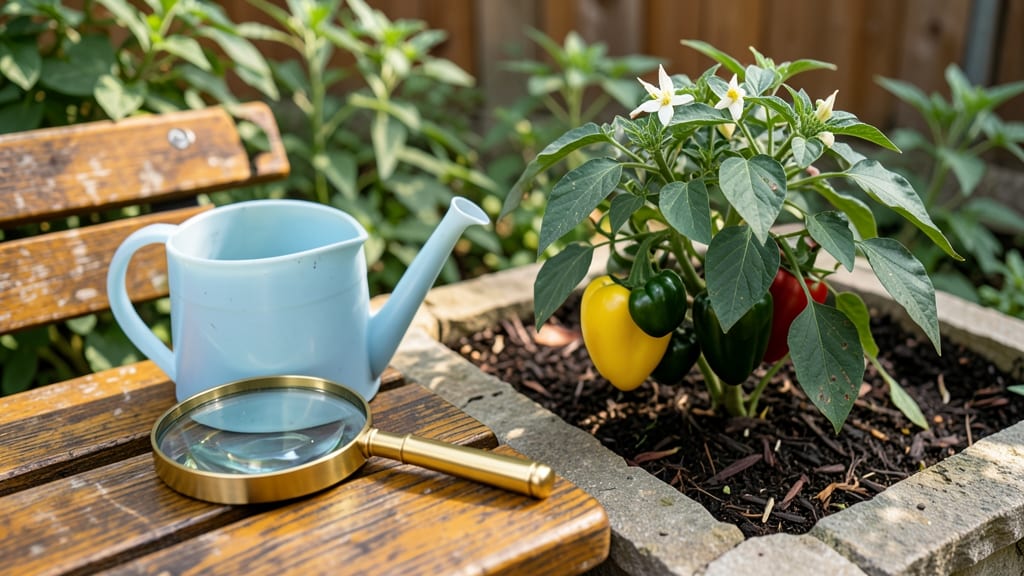
Brown spots on green peppers mean your harvest is under attack—often from fungal blight, but sometimes from sunburn or overwatering. 🌱 I’ve lost entire pepper plants to these spots, but I’ve also saved them using just three simple fixes that work every time.
The spots might look like tiny, sunken circles (anthracnose) or water-soaked patches (bacterial spot), and they spread fast if you don’t act. The good news? Most cases can be stopped with better watering, spacing, and a quick spray—no fancy tools needed.
By following these steps, you’ll see new growth within a week, and your peppers will go from spotted to smooth and productive again. The key is acting fast before the spots turn into holes.
This works for greenhouse, raised bed, or in-ground peppers—no matter where your plants live, these fixes save the day.
Root Causes of Pepper Spots
Those unsightly brown spots marring your green peppers aren’t just cosmetic—they’re often a cry for help from your plants. Understanding the why behind these blemishes is the first step to saving your harvest.
Below, we break down the most common culprits, backed by science, so you can diagnose the issue and act fast.
Fungi thrive in warm, humid conditions, turning your peppers into a buffet. Here’s how they strike:
- Alternaria Leaf Spot
This fungus (Alternaria solani) loves high humidity (above 75%) and temperatures between 70–85°F. It starts as tiny yellow spots that darken to brown or black with concentric rings—classic "target" lesions. Spores spread via wind, water splashes, or contaminated tools.
Red flag: Spots often appear on both leaves and peppers, especially after heavy rain or overhead watering.
- Phytophthora Blight
Caused by the water mold Phytophthora capsici, this pathogen thrives in waterlogged soil and cooler temps (60–80°F). Unlike Alternaria, it attacks fruit directly, causing soft, brown, water-soaked spots that may ooze or rot. Leaves may yellow and wilt.
Red flag: Often hits lower leaves first and spreads upward, especially in containers or poorly drained beds.
- Anthracnose
Another fungal villain (Colletotrichum spp.), anthracnose favors hot, humid days (85°F+) with cool nights. Spots start small, sunken, and dark brown, then expand with a raised center. Peppers may crack open or develop a velvety mold.
Red flag: Common in greenhouse or tropical climates; often appears after stress (e.g., drought followed by sudden rain).
Peppers are tough, but push them too far, and they’ll retaliate with spots.
- Sun Scorch
Direct, intense sunlight (especially in hot, dry climates) can cause white or brown patches on pepper skins. These spots are dry, crispy, and lack the fuzzy texture of fungal spots. They often appear on exposed sides of peppers.
Red flag: Happens midday in full sun; common in thin-skinned varieties like jalapeños.
- Splitting and Cracking
Rapid growth followed by uneven watering (e.g., drought then sudden soaking) causes peppers to split. Brown edges or spots form where the skin tears. Over-fertilizing with nitrogen can also weaken cell walls, making peppers more prone to damage.
Red flag: Spots appear along seams or at the stem; pepper may look "zipped open."
- Cold Damage
Temperatures below 50°F (10°C) can cause chilling injury, leading to brown, water-soaked spots that later turn leathery. Peppers may also develop pitting or fail to ripen properly.
Red flag: Happens after frost warnings or in unheated greenhouses at night.
Some brown spots aren’t from disease—they’re a dinner invitation from pests.
- Aphids and Spider Mites
These sap-suckers leave stippled or speckled brown spots on leaves and peppers. Heavy infestations cause yellowing, curling, or distorted growth. Unlike fungi, pest damage is often localized to the top of plants (where pests cluster).
Red flag: Check undersides of leaves for tiny webs (mites) or sticky residue (aphids).
- Blossom End Rot (Indirect Culprit)
While not a spot on the pepper’s skin, calcium deficiency (often from uneven watering or poor soil) causes dark, sunken brown patches at the blossom end of peppers. This weakens the fruit, making it more susceptible to fungal infections.
Red flag: Spots start round and leathery; may expand as pepper grows.
Pro Tip: 🔍 Magnify those spots! Use a magnifying glass or phone camera to check for:
- Fuzzy mold = Fungus (Alternaria/Anthracnose)
- Ooze or soft rot = Phytophthora
- Dry, papery texture = Sun scorch or splitting
- Sticky residue = Pest damage
Fixing Pepper Spots Fast
Brown spots on your green peppers don’t have to mean the end of your harvest—with the right approach, you can turn things around quickly. Below are targeted solutions based on the most common causes, from fungal infections to environmental stressors.
Each fix is designed to be easy, practical, and effective, so you can get your peppers back to their vibrant, blemish-free selves in no time.
If your peppers are covered in soft, brown, or sunken spots (often with a fuzzy texture), you’re likely dealing with a fungal disease like anthracnose, bacterial spot, or downy mildew. Here’s how to tackle it:
Step 1: Prune the Problem Areas 🔪
- Cut off infected peppers immediately—don’t compost them!
Fungal spores can survive and reinfect your garden. - Remove any fallen leaves or fruit near the plant to prevent spore spread. - Sanitize your pruners with a 10% bleach solution (1 part bleach to 9 parts water) or rubbing alcohol between cuts.
Step 2: Apply Fungicide 🛡️
- Copper-based fungicides (like copper sulfate or copper fungicide sprays) are organic and effective against bacterial and fungal spots.
Spray every 7–10 days until new growth appears. - Neem oil spray (1 tsp neem oil + 1 tsp mild soap + 1 quart water) is another natural fungicide that disrupts fungal growth.
Apply early in the morning or evening to avoid burning leaves. - Baking soda spray (1 tbsp baking soda + 1 quart water + a few drops of soap) can help prevent fungal spores from taking hold.
Step 3: Improve Airflow and Dryness 🌬️
Fungi thrive in humid, stagnant conditions.
To prevent recurrence: - Space plants 18–24 inches apart for better airflow. - Water at the base (not overhead) and early in the day so foliage dries quickly. - Mulch around plants (but keep it 2–3 inches away from stems) to reduce soil splashing onto leaves.
If spots are dry, crusty, and only on the side facing the sun, your peppers are suffering from sun scorch—a common issue in hot climates or when peppers ripen too quickly.
Step 1: Provide Afternoon Shade 🌳
- Use shade cloth (30–50%) during peak sun hours (11 AM–4 PM).
- Plant near taller crops (like corn or sunflowers) to naturally block intense afternoon rays.
- Move potted peppers to a slightly shadier spot for a few hours if possible.
Step 2: Keep Soil Consistently Moist 💧
- Water deeply 1–2 times per week (depending on heat) to prevent stress.
- Mulch heavily (2–3 inches) to retain moisture and protect roots.
- Avoid wetting leaves—use a soaker hose or drip irrigation to keep foliage dry.
If spots look chewed, irregular, or have tiny holes, pests like aphids, spider mites, or pepper maggots could be the culprits.
Step 1: Identify the Pest 🔍
- Aphids leave sticky residue (honeydew) and clusters of tiny bugs.
- Spider mites cause fine webbing and speckled damage.
- Pepper maggots create small, wet holes near the stem.
Step 2: Remove Pests Naturally 🌿
- Blast off aphids with a strong spray of water (early morning).
- Spray neem oil or insecticidal soap (follow label instructions) for mites and maggots.
- Introduce beneficial insects—ladybugs or lacewings eat aphids, while parasitic wasps target maggots.
If spots appear after extreme heat or drought, your peppers are under environmental stress.
Step 1: Protect from Heat Stress 🌡️
- Use row covers (lightweight fabric) to reduce temperature swings.
- Harvest peppers when firm but still green—overripe peppers in heat are more prone to spotting.
- Avoid fertilizing during heatwaves—focus on water and shade instead.
Step 2: Fix Watering Issues 💦
- Check soil moisture—stick your finger 1–2 inches deep; if dry, water deeply.
- Use drip irrigation to deliver consistent moisture without wetting leaves.
- Avoid letting soil dry out completely—peppers need steady hydration, especially in heat.
Once your peppers are healthy again, prevent future issues with these proactive steps:
✅ Rotate crops—don’t plant peppers in the same spot yearly (fungi and pests build up in soil). ✅ Start with disease-resistant varieties (like ‘Aristotle,’ ‘Carmen,’ or ‘Jupiter’). ✅ Test soil pH—peppers prefer 6.0–6.8; adjust with lime (to raise) or sulfur (to lower) if needed. ✅ Clean up debris at the end of the season to eliminate overwintering spores. ✅ Monitor regularly—check undersides of leaves and new growth weekly for early signs.
With these targeted fixes, your green peppers should bounce back in 1–2 weeks—and stay spot-free for the rest of the season! 🌱🔥
Frequently asked questions
Can I still eat peppers with brown spots?
It depends on the cause! Small, dry spots from sun scorch or minor pest damage are usually safe to eat—just cut them off. However, soft, oozing, or moldy spots (like those from Phytophthora blight) mean the pepper is rotting inside. When in doubt, toss it—fungal spots can harbor harmful spores.
Why do my peppers get spots only on one side?
This is classic sun scorch! The side facing direct afternoon sun absorbs too much heat, causing dry, papery brown patches. Thin-skinned varieties like jalapeños are most vulnerable. Try providing afternoon shade or mulching heavily to protect roots and keep soil moist.
Will homemade baking soda spray really work for fungal spots?
Yes, but with proper mixing! Combine 1 tablespoon baking soda + 1 quart water + a few drops of mild soap (so it sticks to leaves). Spray early in the morning on dry foliage—never overhead when wet. For severe infections, repeat every 7–10 days and pair with copper fungicide for best results.
How do I know if my spots are from pests vs. disease?
Check for these clues: Pest damage often has tiny holes, webbing, or sticky residue (like aphid honeydew), while fungal spots are usually fuzzy, sunken, or ooze. Look under leaves—pests cluster there, while fungi spread evenly. Use a magnifying glass for close inspection!
Can I save my pepper plants if the spots have spread to the stems?
It’s too late for those plants—stem infections mean the fungus has reached the vascular system. Remove the entire plant (including roots) and destroy it (don’t compost!). For next season, rotate crops and choose resistant varieties like ‘Aristotle’ to prevent reinfection.