
Picking
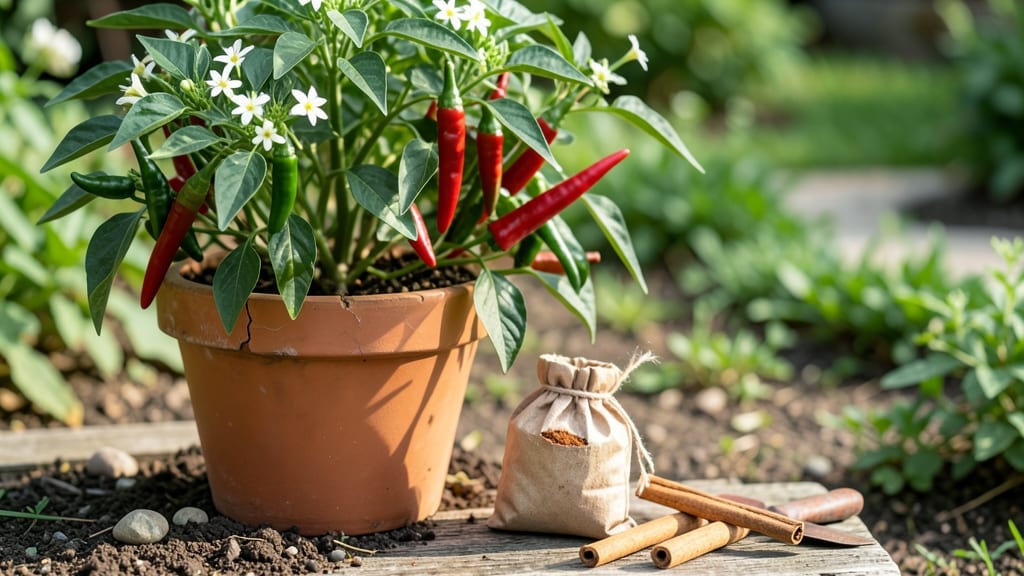
Cayenne pepper and cinnamon for flies might sound like a kitchen experiment, but this foolproof combo is the garden’s secret weapon. 🌿 I’ve watched swarms vanish within minutes after a light spray—no harsh chemicals, just the sharp scent of cayenne and the warmth of cinnamon working together.
The best part? It’s cheaper than store-bought repellents and safer for your plants. The trick is mixing 1 tablespoon cayenne powder with 2 tablespoons cinnamon in a quart of water, then shaking it up in a spray bottle.
Target areas where flies linger—near compost piles, under fruit trees, or by outdoor seating. Reapply every 3-4 days or after rain, and you’ll keep those buzzing pests at bay without harming your garden’s ecosystem.
What’s magical is how it works: flies hate the spicy kick of cayenne and the earthy aroma of cinnamon, so they stay far away. Plus, it’s a zero-waste solution that doubles as a natural fertilizer when the mixture breaks down.
Just avoid spraying on edible plants right before harvest—rinse well if you’re worried. For extra protection, pair this with basil or mint plants—their scents amplify the effect. And if you’re dealing with fruit flies indoors, the same mix in a small bowl near windows does the trick.
No more swatting or sticky traps—just a quick spray and peace of mind.
The Science Behind Fly Attraction
Flies don’t just buzz around randomly—they’re drawn to your space for very specific reasons, often tied to scent, taste, and even chemical signals. Understanding these triggers is the first step to using cayenne pepper and cinnamon as an effective deterrent.
Let’s break down the key factors that make your home or garden a fly buffet—and how these natural ingredients disrupt their plans.
Flies have olfactory receptors up to 100 times more sensitive than humans, meaning they detect odors we can’t even perceive. Their top targets include:
- Decaying organic matter (think overripe fruit, spoiled food, or rotting plants) – Flies are drawn to volatile organic compounds (VOCs) like ethanol, acetic acid, and ammonia, which signal decomposition.
- Sugary residues – Even a tiny drop of soda or fruit juice on a countertop releases fructose and glucose, triggering their feeding instincts.
- Protein-rich sources – Meat, pet food, and even sweat contain amino acids and peptides, which flies associate with easy meals.
- Fermentation smells – Yeast and bacteria in damp areas (like garbage bins or damp rags) produce esters and aldehydes, which flies find irresistible.
Why cayenne and cinnamon work: These spices contain capsaicin (in cayenne) and cinnamaldehyde (in cinnamon), compounds that mask or overpower these attractive scents while also irritating flies’ sensory receptors. Think of it like a chemical smoke screen—flies get confused and avoid the area.
Flies thrive in warm, humid environments because these conditions:
- Speed up bacterial growth (more food for them).
- Keep their bodies hydrated (they need moisture to survive).
- Slow down their metabolism, making them sluggish and easier to repel.
Problem areas in your home:
| Location | Why Flies Love It | How to Fix It |
|---|---|---|
| Kitchen sinks | Standing water + food particles | Dry thoroughly, use vinegar cleanser |
| Garbage bins | Heat from decomposing waste + trapped moisture | Use sealed bins, sprinkle cinnamon inside |
| Pet food bowls | Protein-rich residue + saliva droplets | Wash with soapy water, store uneaten food |
| Bathroom drains | Organic buildup + humidity | Pour boiling water + cinnamon monthly |
Why cayenne and cinnamon work: Both spices have antimicrobial properties that disrupt the microbial ecosystems flies rely on. Cinnamon also absorbs moisture, making environments less hospitable, while cayenne’s heat (literally and chemically) creates an uncomfortable barrier.
Even the cleanest homes can become fly hotspots due to subtle human behaviors:
- Leaving dishes unwashed – Starchy or sugary residues (like pasta or cereal) ferment quickly.
- Compost bins without lids – Open compost releases carbon dioxide and methane, which flies detect from miles away.
- Dirty laundry piles – Sweat and detergent buildup create a sour, yeasty smell flies adore.
- Open beverage containers – Carbonated drinks release CO₂, a signal for flies to investigate.
Why cayenne and cinnamon work: Their strong aromas override these subtle cues, making your space less appealing. Plus, flies avoid areas where they sense pain or irritation (thanks to capsaicin’s effect on their nervous system).
Flies are highly seasonal, with activity peaking in:
- Spring and summer – Warmer temps and increased organic waste (like fallen fruit) create a boom in fly populations.
- After rain – Damp surfaces and blooming flowers (which attract flies for nectar) surge their numbers.
- During harvest season – Farmers’ markets and gardens overflow with ripe produce, a fly’s dream.
Why cayenne and cinnamon work: These spices are year-round solutions because:
- They disrupt mating signals (flies use pheromones to find partners, and cinnamon’s scent interferes).
- They create a physical barrier—flies avoid crawling over spicy surfaces, even if the smell isn’t overpowering.
Flies have limited vision—they rely on movement and scent to locate food. That’s why a combination of cayenne (irritant) and cinnamon (masking scent) works so well. The cayenne makes them avoid the area on contact, while cinnamon prevents them from finding it in the first place.
Next up: How to strategically place these spices to maximize their repellent power. 🚀
Natural Fly Repellent Solutions
Now that you understand why flies are drawn to your space—and why cayenne pepper and cinnamon work as powerful deterrents—it’s time to take action. Below, we’ve mapped out practical, step-by-step solutions tailored to common fly hotspots, along with prevention tips to keep them away for good.
Flies are drawn to food residues, trash, and dampness. Here’s how to eliminate their attraction and repel them naturally:
🍳 Clean Up Food Residues Immediately
- Wipe counters, tables, and appliances with a vinegar-water solution (1:1 ratio) to remove sticky residues that attract flies.
- Store food in airtight containers—even crumbs in open bags or bowls are an open invitation.
- Take out trash daily and use a sealed bin with a cinnamon or cayenne pepper sachet inside.
👨🍳 Set Up a Cayenne-Cinnamon Fly Trap
- Mix 1 tbsp cayenne pepper + 1 tbsp cinnamon with 1 cup warm water.
- Pour into a spray bottle and lightly mist entry points (windows, doors, near trash cans).
- Reapply every 2-3 days or after cleaning.
🌡️ Prevent Moisture Buildup
- Fix leaky pipes—flies love damp areas.
- Use a dehumidifier in musty spots (like basements or bathrooms).
- Dry dishes immediately after washing to avoid standing water.
Flies sneak in through gaps, cracks, and open windows. Seal them off with these low-effort fixes:
🔪 Block Entry Points with Natural Barriers
- Apply a cayenne-cinnamon paste (mix with a little water) to window sills, door frames, and vents.
Flies avoid the spicy scent. - Install fine mesh screens on windows and doors if gaps are too large. - Use essential oil diffusers (eucalyptus, peppermint, or citrus) near entryways—they confuse flies’ scent trails.
⏰ Keep Windows Closed (When Possible)
- Use fans near open windows—flies avoid strong airflow.
- Hang a damp towel over screens to create a physical barrier while still allowing airflow.
If flies are breeding in compost, pet waste, or standing water, tackle the source with these eco-friendly methods:
💡 Remove Fly Breeding Sites
- Drain stagnant water (buckets, clogged gutters, pet bowls).
- Cover compost bins with a tight-fitting lid and sprinkle dried cayenne or cinnamon inside.
- Clean pet waste areas regularly—flies lay eggs in feces within hours.
🎯 Plant Fly-Repelling Herbs
- Basil, mint, lavender, and marigolds naturally deter flies.
- Crush a few leaves and place them near patio seating or trash bins for an instant repellent effect.
Once you’ve eliminated the flies, keep them away with these maintenance habits:
✅ Weekly deep clean – Focus on greasy surfaces, drains, and pet areas. ✅ Store spices in airtight containers – Ground cayenne and cinnamon lose potency over time. ✅ Keep outdoor trash bins sealed – Use bungee cords to secure lids tightly. ✅ Use a fly-repelling candle (citronella or cinnamon-scented) during gatherings. ✅ Train pets to avoid leaving food out – Even small bowls attract flies.
If flies persist despite your efforts, there may be a hidden infestation (e.g., in walls, attics, or sewer lines).
In this case: - Contact a pest control service specializing in organic solutions. - Check for fruit flies (tiny, red-eyed flies)—they may need yeast traps or apple cider vinegar baits.
By combining immediate repellents (cayenne + cinnamon) with long-term prevention, you’ll create a fly-free zone—naturally and effectively. 🚫🪰
Frequently asked questions
Will cayenne and cinnamon work on all types of flies?
This combo is most effective against common houseflies, fruit flies, and cluster flies. For stubborn pests like gnats or drain flies, you may need to combine it with other methods like vinegar traps or essential oils. The cayenne disrupts their sensory receptors while cinnamon masks attractive scents—both work best on flies drawn to food odors.
How long does the cayenne-cinnamon spray last before needing reapplication?
The spray remains effective for 3-4 days in dry conditions, but reapply immediately after rain or cleaning. For maximum protection, store your mixture in a cool, dark place (like a cabinet) and shake well before each use. The potency fades faster in humid environments, so check your spray bottle daily during summer months.
Is this safe for pets if used outdoors?
Yes, but with precautions! While cayenne and cinnamon are non-toxic in small amounts, avoid spraying directly on pet food or water bowls. For extra safety, use a separate spray bottle for pet areas and keep pets away until the spray dries. The strong scent may irritate some animals' noses, so monitor their behavior after application.
Can I use this mixture in my vegetable garden without harming plants?
Absolutely—this is a garden-friendly solution! Spray around (not directly on) edible plants to avoid residue. The mixture breaks down quickly and won't harm most vegetables. For delicate herbs like basil or mint, test a small area first. The spices actually improve soil health over time by deterring pests naturally.
What if the flies keep coming back after using this remedy?
Persistent flies often indicate breeding sites nearby. Check for standing water, rotting fruit, or uncovered compost. Combine your spray with these fixes: seal trash bins, clean drains with vinegar, and place herbs like basil near problem areas. If the issue continues, you may have a hidden infestation requiring professional organic pest control.