
Planting
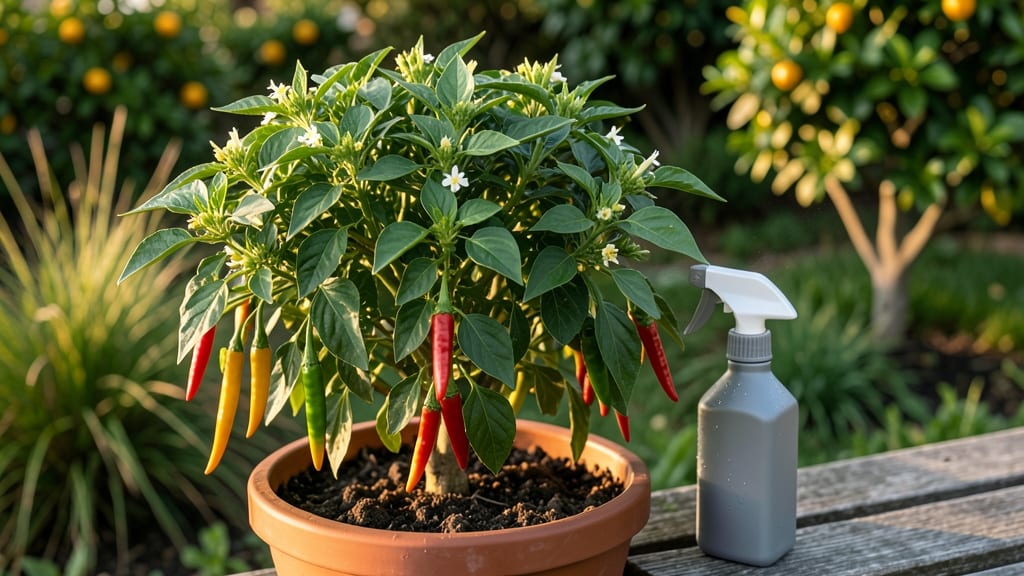
That cayenne pepper plant spray is the secret weapon in my pest-control arsenal—one spray keeps aphids, beetles, and even deer away for weeks. 🌿 I first tried it after my tomato plants became a buffet for hungry bugs, and within hours, the pests scattered.
The spray is fast to make, uses simple ingredients, and works without harsh chemicals that harm your soil or pollinators.
You’ll need just three ingredients: cayenne pepper powder, water, and a bit of dish soap to help the spray stick.
Mix it in a spray bottle, let it steep for an hour, and—voilà—you’ve got a non-toxic, multi-purpose spray that deters chewing insects, repels slugs, and even has mild fungicidal properties. It’s perfect for veggie gardens, houseplants, and even your lawn.
The best part? You’ll see results within 24 hours—no more wilting leaves or skeletonized plants. A quick spritz on leaves or soil around plants keeps pests at bay while being safe for beneficial insects like ladybugs and bees.
Just avoid spraying on hot days or when rain is forecasted to maximize effectiveness.
For extra protection, pair it with neem oil or garlic spray for a two-pronged defense. Store the mixture in the fridge for up to a week, and always test a small area first to ensure your plants tolerate it.
This is the one spray I never skip—it’s saved my garden more times than I can count!
📚 In This Guide
- What you need
- Instructions
- Tips and common mistakes
- Wrapping up and next steps
What you need
- ● Cayenne pepper – 2 tablespoons (ensure it’s hot, not sweet!)
- ● Water – 1 quart (32 oz) of distilled or filtered water (tap water works in a pinch)
- ● Spray bottle – 16 oz, with a fine mist nozzle (plastic or glass)
- ● Blender or food processor – For crushing the pepper into a paste
- ● Fine mesh strainer or cheesecloth – To filter out seeds and debris
- ○ Optional but helpful: 1 tablespoon dish soap (like Castile soap) – Acts as a natural sticker so the spray clings to pests
- ● 1 tablespoon white vinegar – Boosts antifungal properties
- ● 1 teaspoon garlic powder – Adds extra pest-repelling punch!
- ○ Safety gloves (optional, but recommended—cayenne can be spicy!)
- ● Measuring spoons or scale (for precision)
- ● Access to sunlight or shade (for mixing—avoid direct heat)
- ● Labeling tape (to mark your spray bottle)
Step-by-step instructions for making cayenne pepper plant spray
Here's how to whip up a potent, natural spray that keeps pests away without harming your plants.
🌱 Step 1: Gather Your Ingredients and Equipment
You'll need 1 tablespoon of cayenne pepper powder (the active ingredient), 1 quart of water, and a quart-sized spray bottle with a fine mist nozzle. I like to add 1 teaspoon of dish soap (like Dawn) to help the mixture stick to plant surfaces. The cayenne acts as an irritant to pests, while the soap helps it cling to leaves.
Wear gloves and a mask when handling the cayenne—it's potent stuff and can irritate skin and lungs. Fill your spray bottle with the 1 quart of water first, then add the cayenne and dish soap. Stir gently but thoroughly to avoid creating a cloud of pepper dust.
💧 Step 2: Mix the Spray and Let It Rest
Shake the bottle vigorously for 30 seconds to fully dissolve the cayenne. The mixture should look slightly cloudy but uniform. Let it sit for 10-15 minutes—this gives the cayenne time to fully integrate with the water and soap, making it more effective. You'll notice a faint red tint in the liquid, which is a good sign.
Don't skip the resting time. Rushing this step can leave undissolved cayenne particles that might clog your spray nozzle or irritate your plants. If you see any clumps, shake the bottle again and let it sit for another 5 minutes.
☀️ Step 3: Test the Spray on a Small Plant Area
Before spraying your entire garden, test the mixture on a small, inconspicuous part of a healthy leaf. Wait 24 hours to see if the plant shows any signs of distress, like browning or wilting. If the plant looks fine after a day, your spray is ready to use. This step is critical—cayenne can be too harsh for some sensitive plants.
If you notice any negative reactions, dilute the spray with an additional ½ cup of water and retest. Once you're confident it's safe, you can proceed to spray your plants. Apply the mixture in the early morning or late afternoon to avoid direct sunlight, which can cause the spray to dry too quickly and lose effectiveness.
✂️ Step 4: Apply the Spray to Your Plants
Hold the spray bottle 12-18 inches away from the plants and apply a fine mist, focusing on the undersides of leaves where pests like to hide. Spray until the leaves are evenly coated but not dripping. You'll want to cover both the tops and bottoms of the leaves thoroughly. Repeat this process every 7-10 days or after heavy rain to maintain protection.
Pay special attention to new growth and flower buds, as these are often the first targets for pests. Avoid spraying during windy conditions, as the cayenne can drift and irritate your eyes or skin. If you're treating a large garden, consider making a larger batch—just scale the ingredients proportionally (e.g., 2 tablespoons of cayenne per gallon of water).
🌿 Step 5: Monitor and Reapply as Needed
Check your plants 2-3 days after spraying to see if pests are still present. If you notice any remaining bugs, reapply the spray. Over time, you may need to increase the cayenne concentration slightly (up to 2 tablespoons per quart of water) for tougher infestations. Keep an eye out for any signs of plant stress, like yellowing leaves or stunted growth.
This spray works best as a preventive measure, so apply it regularly even when you don't see pests. Consistency is key—pests can build up a tolerance to natural sprays if they're not exposed to them frequently. Store any leftover spray in a cool, dark place for up to 1 week, but shake well before each use to keep the cayenne evenly distributed.
Tips & tricks for perfect cayenne pepper plant spray
Here's what nobody tells you about making this spray work even better for your garden.
Mixing Technique: When adding the 1 tablespoon of cayenne pepper powder to your quart-sized spray bottle, pour it through a folded coffee filter or fine mesh strainer. This prevents clumping and ensures an even distribution in the water. I've ruined three batches by just dumping the cayenne in—it creates stubborn clumps that never fully dissolve. The filter also helps keep your spray nozzle unclogged for weeks.
Resting Time Secret: That 10-15 minute resting period in Step 2 isn't just about dissolving the cayenne—it's when the mixture becomes truly effective. The cayenne particles need this time to fully hydrate and develop their irritating properties for pests. If you're in a hurry, you can reduce this to 5 minutes (as mentioned for clumps), but you'll notice the spray works better after the full rest. The faint red tint you'll see is your quality indicator.
Testing on Sensitive Plants: For plants known to be sensitive (like tomatoes or peppers), test on a single leaf first. I've seen basil and mint handle cayenne beautifully, while some citrus varieties show stress. If you notice any yellowing after your 24-hour test period, immediately dilute with ½ cup of water and retest. The dish soap helps, but cayenne can still be too harsh for delicate foliage.
Application Strategy: When spraying, focus on the undersides of leaves where most pests hide, but don't neglect the stems. I like to work in the early morning when the dew is still on the leaves—this helps the spray adhere better. For large plants, consider using a spray attachment on your hose (with the same concentration) to cover more area efficiently. Just remember to keep that 12-18 inch distance for even coverage.
Pro Tips for Cayenne Pepper Plant Spray
- Here's what nobody tells you about making this spray work even better for your garden.
- Mixing Technique: When adding the 1 tablespoon of cayenne pepper powder to your quart-sized spray bottle, pour it through a folded coffee filter or fine mesh strainer.
- Resting Time Secret: That 10-15 minute resting period in Step 2 isn't just about dissolving the cayenne—it's when the mixture becomes truly effective.
Frequently asked questions
Got questions about using cayenne pepper plant spray? You’re not alone! Here are some common concerns and answers to help you get the most out of this natural pest-fighter.
How often should I spray cayenne pepper on my plants?
Apply the spray every 7–10 days or whenever you notice pests returning. Consistency is key—think of it like a light rain shower for your plants! Avoid spraying during peak sun hours to prevent leaf burn. For heavy infestations, you can spray weekly until pests disappear.
How quickly does cayenne pepper spray work?
You’ll often see results within 24–48 hours, but some pests (like aphids) may take up to a week to fully retreat. The spray doesn’t kill pests instantly—it disrupts their feeding habits and repels them over time. For faster action, combine it with neem oil or insecticidal soap.
Can I use cayenne pepper spray on edible plants like tomatoes or peppers?
Yes! Cayenne pepper spray is safe for edible plants and even adds a mild spicy kick to your harvest. Just wait 24–48 hours before eating produce after spraying to let the solution dry. Avoid spraying flowers directly if you’re harvesting seeds, as it might deter pollinators.
What’s a good alternative if I don’t have cayenne pepper?
No cayenne? Try these natural substitutes:
- Chili powder or red pepper flakes (mix with water and a drop of dish soap)
- Garlic or onion spray (blend garlic/onion with water, strain, and add soap)
- Coffee grounds (sprinkle around plant bases to repel pests)
Why isn’t my cayenne pepper spray working?
If pests persist, check these fixes:
- Ensure your spray covers both sides of leaves—many pests hide underneath.
- Reapply after rain, as water washes away the solution.
- Add a dash of dish soap (1 tsp per quart) to help the spray stick.
- Rotate with other natural sprays (like neem oil) to avoid resistance.
Wrapping up and next steps
Harnessing the power of cayenne pepper plant spray is a game-changer for gardeners seeking a natural, chemical-free way to protect their plants! 🌱 This simple yet effective solution repels pests, boosts plant health, and even adds a touch of spice to your gardening routine.
With just a few ingredients and minimal effort, you can create a homemade pesticide that works wonders.
Ready to give it a try? Start small—test the spray on a few plants first—and watch your garden thrive without harsh chemicals. Your green thumb will thank you! 🌿