
Plants
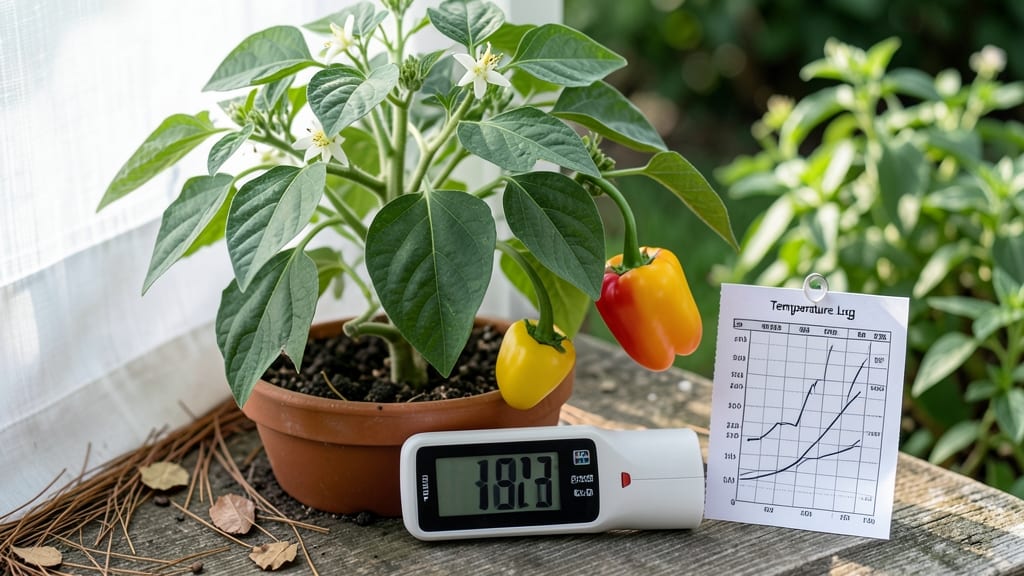
Pepper plants tolerate temperatures between 60°F and 90°F for optimal growth, but their limits are tighter than you might think—especially when it comes to cold snaps or scorching heat.
You’ve probably heard that peppers love warmth, but did you know a single night below 50°F can stunt growth, while prolonged heat above 95°F triggers blossom drop? The key is understanding how these ranges shift between day and night—and how to protect your 🌶️ crops when extremes hit.
Cold-hardy varieties like bell peppers can handle brief dips into the 40s°F, but hot peppers (think jalapeños or habaneros) bolt or die when temps flirt with freezing. Meanwhile, heat stress shows up as yellowing leaves or fruit that never ripens—problems you can avoid with the right strategies.
In this guide, I’ll break down the exact temperature thresholds your peppers can handle, how to spot trouble early, and step-by-step fixes for both chilly mornings and sweltering afternoons—so your harvest stays on track from April to October.
Pepper plant temperature tolerance: ideal ranges and cold hardiness limits
Pepper plants thrive in warmth but have strict temperature boundaries—most varieties struggle when nighttime temps fall below 50°F (10°C) or daytime temps exceed 90°F (32°C) for extended periods. The confusion often comes from mixing bell peppers (more cold-tolerant) with hot peppers (heat-sensitive), which have different thresholds.
Understanding these ranges helps you choose the right varieties for your climate and protect your plants during temperature swings.
For optimal growth, peppers need daytime temperatures between 70-85°F (21-29°C) and nighttime temps between 60-70°F (15-21°C). These ranges maximize fruit production and prevent stress.
However, even within these ideal zones, short-term deviations can cause problems—like blossom drop when nights dip below 55°F (13°C) or leaf scorch above 95°F (35°C). The key is balancing these factors while accounting for your local climate.
Bell peppers are the most cold-hardy option, often surviving brief dips into the 40s°F (4-7°C) range, while hot peppers like jalapeños and habaneros bolt or die when exposed to temperatures below 50°F (10°C).
This difference explains why bell peppers thrive in USDA Zones 6-10 with minimal protection, while hot peppers typically require Zones 8-11 or container growing for cooler climates. Always check seed packets for specific variety tolerances—some modern hybrids (like 'NuMex Heritage') are bred for extreme heat or cold.
Young pepper plants are far more sensitive than mature ones, needing soil temps of at least 60°F (15°C) to germinate and establish roots. If you're starting seeds indoors, use a heat mat to maintain bottom heat, or wait until after your last frost date to direct-sow in warmer soil.
Even established plants will struggle if nighttime temps drop below 55°F (13°C) for more than a few hours, leading to stunted growth or poor fruit set.
Heat stress becomes a bigger issue in summer, especially in regions with high humidity and afternoon temps above 90°F (32°C). Peppers respond by dropping flowers and fruit, a condition called blossom drop.
To prevent this, use shade cloth (30-50%) during peak heat and water deeply in the morning to cool the soil. Mulching with straw also helps maintain even root-zone temperatures, reducing stress on the plant.
Microclimates play a huge role in pepper temperature tolerance. Even in cold climates, a south-facing wall or raised bed can create a 5-10°F warmer environment than the surrounding area. Similarly, containers heat up faster than in-ground plantings, so adjust your watering and shading strategies accordingly.
In hot climates, planting near reflective surfaces (like white gravel) can lower soil temps by up to 10°F (5°C) during peak afternoon heat.
One common misconception is that all peppers need constant heat—but some varieties actually prefer cooler nights (around 65°F/18°C) to set fruit properly. For example, bell peppers
How to protect pepper plants from extreme heat and frost damage
Extreme temperatures can devastate your pepper plants, but with the right strategies, you can shield them from both scorching heat and chilly frosts. Whether you're dealing with unpredictable spring frosts or summer heatwaves, proactive measures will keep your plants productive and healthy.
The key is understanding how to adapt your growing conditions without causing stress.
Pepper plants thrive in warm climates but are surprisingly delicate when temperatures dip below 50°F (10°C) or soar above 90°F (32°C) for extended periods. Even a single night below 40°F (4°C) can kill young plants, while prolonged heat above 95°F (35°C) stunts growth and reduces fruit quality.
Let's explore practical solutions to protect your peppers year-round.
⚠️ Critical Temperature Limits for Pepper Plants
Minimum safe temperature: 50°F (10°C) (young plants need 60°F (15°C) to thrive).
Danger zone: Below 40°F (4°C) causes irreversible damage; 32°F (0°C) is fatal.
Heat threshold: 90°F (32°C) is tolerable briefly; above 95°F (35°C) stresses plants and reduces fruiting.
Nighttime recovery: Temperatures must drop to 60-70°F (15-21°C) for peppers to metabolize properly after hot days.
For frost protection, start with a row cover or cold frame when nighttime temperatures dip below 50°F (10°C). These lightweight fabrics trap heat while allowing sunlight to penetrate.
In extreme cases, move potted peppers indoors near a south-facing window or under grow lights. Always harden off plants gradually to avoid shock from sudden temperature changes.
Combating excessive heat requires shade solutions like shade cloth (30-50%) or temporary structures made from bamboo stakes and lightweight fabric. Focus on protecting plants during peak afternoon sun when temperatures climb.
Mulching with straw or wood chips also helps regulate soil temperature by keeping roots cooler. Water deeply in the morning to encourage evaporation cooling.
Long-term adjustments include selecting heat-tolerant varieties like 'NuMex Heritage' or 'Carolina Wonder' for hot climates, or early-maturing peppers to harvest before summer heat peaks. In cold climates, consider container gardening so you can move plants indoors during late-season frosts.
Raised beds also warm up faster in spring, giving peppers a head start.
Monitor your plants closely for signs of stress: yellowing leaves indicate heat damage, while blackened stems signal frost injury. Adjust your protection methods based on real-time conditions. With these strategies, you can extend your pepper-growing season and safeguard your harvest against Mother Nature's extremes.