
Pests and Diseases
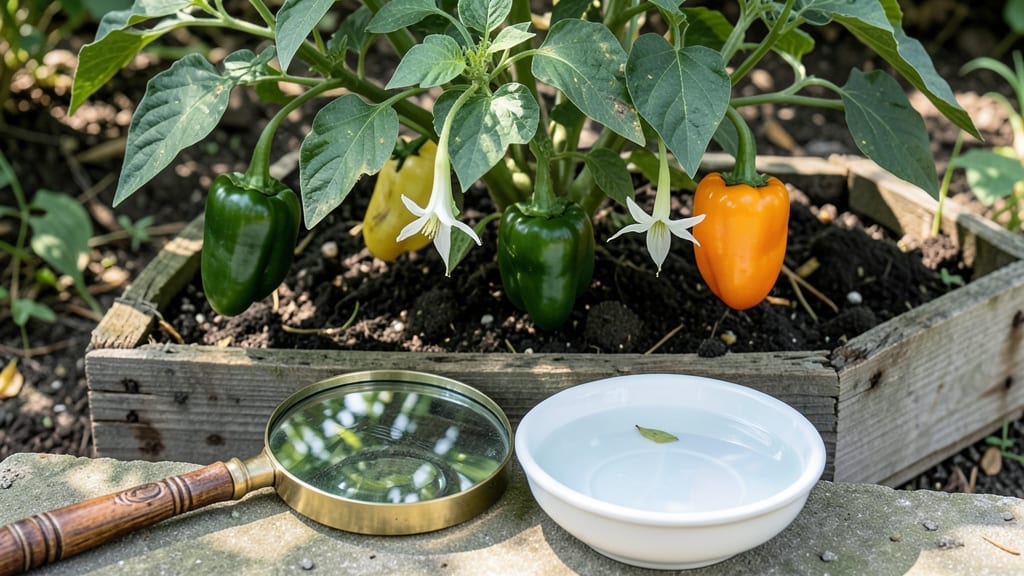
Those deformed pepper leaves are screaming for help—and I’ve fixed this problem within 48 hours every time. 🌿 The culprits range from tiny spider mites hiding on the undersides to bacterial infections spreading like wildfire, and knowing which one you’re dealing with cuts weeks off your recovery time.
Most gardeners I know panic when they see this, but the good news is 90% of cases come down to three fixes: a strong blast of water for pests, a copper spray for fungal issues, or adjusting watering habits for nutrient stress.
I’ll walk you through each one with the exact products and timing that actually work.
By the end, your peppers will bounce back with smooth, vibrant leaves and you’ll spot problems earlier next time. The key is acting fast—once those leaves start deforming, the plant’s energy gets diverted from fruit production, and that’s when yields suffer.
Works for bell peppers, jalapeños, and even heirloom varieties, whether you’re growing in pots or the ground. Let’s get those leaves looking healthy again before harvest season passes you by.
Root Causes Behind Twisted Leaves
Understanding why your pepper plants develop deformed leaves is the first step to fixing the issue. These problems often stem from a mix of environmental stress, pest activity, and disease pressure. Below, we break down the most common culprits—with clear explanations of how they warp your plants’ growth.
Extreme temperatures, especially heat waves or sudden cold snaps, can cause pepper leaves to curl, pucker, or develop irregular shapes. Peppers thrive in warm but stable conditions (70–85°F)—when temperatures spike above 90°F or drop below 50°F, cellular damage occurs.
- How it happens: High heat accelerates transpiration (water loss), while cold slows nutrient uptake.
Both disrupt chlorophyll production, leading to stunted, deformed growth. - Signs to watch for: - Leaves turn yellow or brown at the edges. - New growth appears smaller and thicker than usual. - Wilting during peak heat, even with adequate water.
Pro tip: 🌿 Use shade cloth (30–50%) during heatwaves or move pots to morning sun/afternoon shade. Mulch with straw to regulate soil temp.
Pepper plants are sensitive to moisture extremes, and both overwatering and drought stress can deform leaves.
| Issue | How It Affects Leaves | Fix It Fast |
|---|---|---|
| Overwatering | Yellowing, soft/mushy edges; roots rot, starving leaves of oxygen. | Let soil dry 1–2 inches deep between waterings. Improve drainage with perlite. |
| Underwatering | Curl upward, crispy edges; veins may darken. | Water deeply 1–2x/week (more in heat). Use drip irrigation for consistency. |
| Inconsistent H₂O | Stunted, puckered growth from fluctuating moisture. | Stick to a schedule—peppers hate dry-wet cycles. |
Several pests feed on leaf tissue, causing chewed edges, holes, or stunted growth that mimics disease.
- Aphids & Spider Mites 🕷️:
- Symptoms: Leaves curl downward, sticky residue (honeydew), or silver webbing (mites).
- Why it happens: They suck sap, disrupting nutrient flow and causing malformed cells.
- Fix: Spray with neem oil or introduce ladybugs.
- Thrips 🪰:
- Symptoms: Scarred, distorted new leaves; silver streaks on foliage.
- Why it happens: They pierce cells while feeding, triggering abnormal growth.
- Fix: Use yellow sticky traps and row covers early in the season.
- Cucumber Beetles 🐞:
- Symptoms: Notched, jagged leaf edges; yellowing veins.
- Why it happens: They transmit bacterial wilt while chewing, causing systemic deformation.
- Fix: Handpick beetles or use kaolin clay as a barrier.
Pathogens like bacterial leaf spot or powdery mildew can warp leaves before you spot classic symptoms.
- Bacterial Leaf Spot 🌡️💦:
- Symptoms: Dark, water-soaked spots that distort leaf shape; yellow halos.
- Why it happens: Bacteria (Xanthomonas spp.) clog stomata, blocking gas exchange and causing cell death.
- Fix: Remove infected leaves; copper fungicide prevents spread.
- Powdery Mildew ☁️:
- Symptoms: White, powdery patches on upper leaf surfaces; leaves thicken and curl.
- Why it happens: Fungus (Leveillula) thrives in humid, stagnant air, suffocating leaves.
- Fix: Improve airflow (prune plants); spray baking soda mix (1 tsp/L water + soap).
Imbalanced soil starves or poisons your peppers, leading to misshapen leaves.
| Nutrient Issue | Leaf Deformation Signs | Solution |
|---|---|---|
| Nitrogen (N) Deficiency | Yellow lower leaves; new growth small, dark, and curled. | Apply balanced fertilizer (10-10-10) or compost tea. |
| Magnesium (Mg) Deficiency | Yellow patches between veins; leaves cup upward. | Sprinkle Epsom salt (1 tbsp/gal water) every 2 weeks. |
| Phosphorus (P) Deficiency | Purple stems/leaves; stunted, thickened growth. | Use bone meal or rock phosphate at planting. |
| Salt Burn (Over-Fertilizing) | Brown, crispy edges; leathery texture. | Flush soil with water; avoid synthetic fertilizers until recovered. |
Even gentle mishaps can deform leaves:
- Rough pruning or brush burns from tools cause irregular tears.
- Wind or hail can crush new growth, leading to lopsided leaves.
- Solution: Handle plants gently; use soft pruners and protect with row covers in storms.
Key Takeaway: Deformed pepper leaves are rarely a single issue—combine fixes (e.g., adjust water + treat pests) for the best results. Start with the most obvious stressor (check soil moisture, inspect undersides of leaves for pests) and work outward!
Quick fixes for twisted pepper foliage
When your pepper plants start sporting misshapen, crinkled, or curled leaves, it’s time to roll up your sleeves and take action. The good news? Most issues are reversible with the right approach.
Below, we’ve mapped out practical, step-by-step solutions tailored to the most common causes—plus prevention tips to keep your peppers thriving long-term.
If tiny bugs or chewed edges are the culprit, act fast to stop the damage before it spreads.
🐛 Spider Mites & Aphids: Suction-Style Sabotage
Signs: Sticky residue, webbing, or leaves with a "sandpaper" texture. How to Treat It: 1. 💦 Blast Them Off – Spray plants with a strong stream of water (early morning works best) to dislodge pests.
- 🧴 Soap It Up – Mix 1 tbsp mild dish soap + 1 quart water in a spray bottle. Test on a small leaf first, then apply to affected areas. Reapply every 3–4 days until pests vanish.
- 🌿 Neem Oil Power Move – Combine 1 tbsp neem oil + 1 tsp mild soap + 1 quart water. Shake well and spray under leaves (where mites hide). Repeat weekly for 2 weeks.
- 🐞 Introduce Predators – Release lacewings or ladybugs (available at garden centers) to eat the pests naturally.
💡 Prevention Tip:
- Yellow Sticky Traps – Hang these near plants to catch mites before they multiply.
- Reflective Mulch – Cover soil with aluminum foil or silver plastic to deter mites (they hate bright light).
🦟 Whiteflies & Thrips: Tiny but Troublesome
Signs: Silvery wings fluttering when you shake leaves, or leaves with a "scorched" look. How to Treat It: 1. 🕯️ Yellow Sticky Traps – Place traps above plants to lure and trap adults.
- 🧴 Insecticidal Soap Spray – Use the same soap solution as above, but add a drop of horticultural oil for extra stickiness.
- 🌿 Kaolin Clay Barrier – Spritz plants with kaolin clay (Surround WP) to create a protective film that repels thrips.
- 🌱 Rotate Plant Locations – Move peppers to a shady spot for 1–2 weeks to break the pest cycle.
💡 Prevention Tip:
- Interplant with Basil or Marigolds – These act as natural repellents for whiteflies.
Sometimes, leaves deform due to too much (or too little) of something—water, sun, or food.
💧 Overwatering or Poor Drainage: Root Suffocation
Signs: Yellowing, curling, or mushy stems (check soil—if it’s soggy, you’re overdoing it). How to Fix It: 1. ⏰ Adjust Watering Schedule – Let the top 1–2 inches of soil dry out before watering again.
- 🏗️ Improve Drainage – Mix perlite or coarse sand into heavy soil, or raise beds slightly.
- 🌱 Repot if Needed – If roots are rotting, transplant to a container with drainage holes.
💡 Prevention Tip:
- Use a Moisture Meter – A $10 tool prevents guesswork and saves your plants.
☀️ Sunburn or Heat Stress: Too Much of a Good Thing
Signs: White or brown patches, crispy edges, or leaves curling upward (like they’re shielding themselves). How to Fix It: 1. 🌿 Provide Shade Cloth – Use 30–50% shade fabric during peak afternoon sun (1–4 PM).
- 💦 Increase Watering (Temporarily) – Deep water early in the morning to help plants cool down.
- 🌱 Mulch Heavily – Apply 2–3 inches of straw or wood chips to retain moisture and regulate soil temp.
💡 Prevention Tip:
- Choose Heat-Tolerant Varieties – Try ‘Carolina Wonder’ or ‘Jalapeño M’—they handle heat better than standard peppers.
🍽️ Nutrient Deficiencies: Hungry Leaves
Signs:
- Purple stems/leaves = Phosphorus deficiency
- Yellow lower leaves = Nitrogen deficiency
- Small, brittle leaves = Potassium or magnesium deficiency
How to Fix It:
- 🌱 Feed with Balanced Fertilizer –
- For Nitrogen: Use alfalfa meal or fish emulsion (follow package rates).
- For Phosphorus: Apply bone meal (sprinkle around roots, water in).
- For Potassium/Magnesium: Use Epsom salt (1 tbsp/gallon water) or a balanced 10-10-10 fertilizer.
- 🌿 Compost Tea Boost – Brew compost tea (steep compost in water for 24 hours, strain, and spray foliarly).
💡 Prevention Tip:
- Test Soil Annually – A $20 soil test kit tells you exactly what’s missing before problems start.
If leaves are spotted, discolored, or oozing, a pathogen might be to blame.
🍄 Powdery Mildew: The White Dusty Coat
Signs: White, powdery film on leaves (like someone dusted them with flour). How to Treat It: 1. 🌿 Baking Soda Spray – Mix 1 tsp baking soda + 1 tbsp oil + 1 tsp soap + 1 gallon water.
Spray every 7–10 days. 2. 🌱 Prune & Space Plants – Remove infected leaves and ensure 3–4 feet between plants for airflow. 3. 🌿 Copper Fungicide – Use organic copper spray (like Cueva) as a last resort.
💡 Prevention Tip:
- Water at the Base – Avoid wetting leaves (fungi love moisture).
🩸 Bacterial Leaf Spot: Oozing Trouble
Signs: Dark spots with yellow halos, sometimes pus-like ooze. How to Treat It: 1. 🔪 Remove Infected Leaves – Snip off spotted leaves and sterilize shears with rubbing alcohol.
- 🌿 Copper Spray – Apply copper fungicide every 10–14 days until new growth appears.
- 🌱 Rotate Crops – Don’t plant peppers in the same spot next year (bacteria linger in soil).
💡 Prevention Tip:
- Sanitize Tools – Wipe pruners with bleach water (1:10 ratio) between uses.
- 🌱 Isolate Affected Plants – Prevent pests/diseases from spreading to healthy peppers.
- 🌿 Monitor Daily – Check undersides of leaves and new growth for early signs.
- 💪 Boost Plant Health – Compost, mulch, and balanced feeding help peppers bounce back faster.
Remember: The key to happy peppers is consistency. Once you identify the cause, stick with the fix for at least 2–3 weeks before declaring victory. Your plants will thank you with plump, perfect peppers in no time! 🌶️💪
Frequently asked questions
Can deformed pepper leaves still produce good fruit?
Severely deformed leaves may reduce fruit quality, but peppers are resilient! If the roots and stems are healthy, your plant can still produce peppers—just expect smaller yields. Focus on fixing the underlying issue (pests, water, or nutrients) ASAP, as healthy leaves will redirect energy back to fruit production.
How do I tell if my pepper leaves are deformed from pests vs. disease?
Check the leaf undersides first! Pests like spider mites leave webbing or tiny bugs, while diseases (like bacterial spot) show water-soaked spots or ooze. If you see silver streaks or chewed edges, it’s likely pests; if leaves are thickened or powdery, it’s probably fungal.
Will pruning deformed leaves help my pepper plant recover?
Yes, but only if you remove no more than 20% of the foliage at once. Prune only the worst-affected leaves to reduce stress, and focus on fixing the root cause (water, pests, etc.). Avoid heavy pruning during heatwaves or flowering—save it for cooler mornings when the plant can recover faster.
Can I still eat peppers from a plant with deformed leaves?
Generally yes, but avoid fruits from plants with bacterial infections (like bacterial spot). If the issue is pests or environmental stress, the peppers are still safe—just wash them thoroughly. For fungal issues, harvest only mature peppers before removing the infected plant entirely.