
Planting
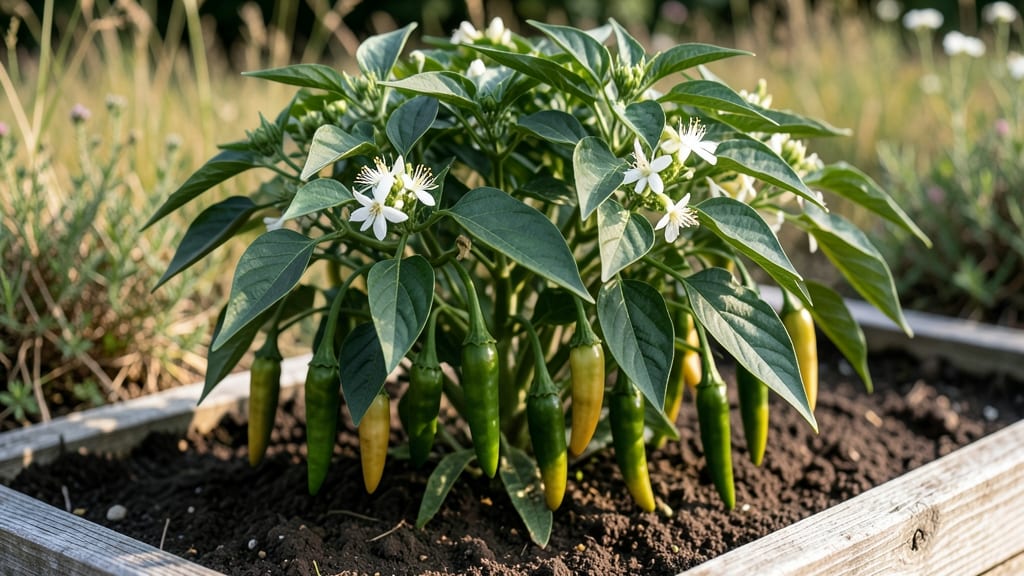
The East Indian pepper plant's name is Piper nigrum, known botanically as black pepper vine, a tropical perennial vine producing the world's most widely used spice.
The Piper nigrum plant, also called black pepper vine, is the original source of the spice we use daily. 🌿 This evergreen climbing vine thrives in warm, humid climates and can grow up to 10 feet tall with its distinctive heart-shaped leaves and small white flowers that develop into the peppercorns we know.
What makes it unique is that these peppercorns are harvested at different stages—green for green peppercorns and fully ripe for black pepper—to create the spice variations we use in cooking.
This plant has been cultivated for over 4,000 years, primarily in India, but also in Southeast Asia and Brazil. The name Piper nigrum comes from its genus Piper (the same family as chili peppers) and the Latin word nigrum, meaning "black," referring to the dried peppercorns.
While often called "black pepper vine," it's important to note that it's not related to the vine family botanically—it's a flowering plant that climbs using tendrils.
💡 In This Article
- Scientific Classification and Botanical Features of Black Pepper (Piper nigrum)
- Cultivating Black Pepper Vines: Growing Tips for Home Gardeners
Scientific classification and botanical features of black pepper (Piper nigrum)
The Piper nigrum plant belongs to the Piperaceae family, which includes over 2,000 species of flowering plants. This particular species is the only one commercially cultivated for its peppercorns, distinguishing it from its relatives like the wild piper species found in tropical rainforests.
The genus name Piper originates from the Greek word "pepperi," meaning pepper, while nigrum highlights the characteristic black color of the dried berries.
Botanically, black pepper grows as a woody, perennial vine that can reach heights of 10-20 feet when supported by trellises or other climbing structures. Its leaves are 4-6 inches long, glossy, and heart-shaped with pointed tips, arranged alternately along the stem.
The plant produces small, white or pale green flowers that develop into green berries—these are the peppercorns we harvest. What's fascinating is that these berries contain two seeds surrounded by a fleshy outer layer that changes color from green to red as it ripens.
The peppercorn's transformation into black pepper involves a unique drying process. When fully ripe berries are dried in the sun, they shrivel and turn black due to oxidation, while unripe green berries are dried to create green peppercorns.
This difference in harvesting time creates their distinct flavors—black pepper has a sharper, more pungent taste, while green peppercorns offer a fresher, slightly floral profile. The plant's root system is fibrous and spreads widely, helping it anchor to the soil in its native tropical habitats.
One distinguishing feature of Piper nigrum is its climbing habit, achieved through specialized leaf structures called tendrils. These tendrils wrap around supports, allowing the vine to grow vertically rather than sprawling horizontally like many other plants.
The plant's flowers are tiny (1-2 millimeters in diameter) and lack petals, with male and female flowers often appearing on separate plants—a characteristic that affects pollination efficiency in cultivation. 🌱
Compared to other pepper varieties like white pepper (made from the inner seed only) or long pepper (Piper longum), Piper nigrum stands out due to its complex flavor profile. The plant's essential oils, including piperine (responsible for the spiciness), are concentrated in the outer layer of the berry.
This chemical composition makes black pepper not just a seasoning but also a natural preservative and digestive aid in culinary traditions worldwide.
In terms of growth cycle, black pepper vines take 3-5 years to reach full maturity and produce significant yields. The plant's flowers appear in clusters, and each cluster can contain 50-100 flowers, though not all will develop into viable peppercorns.
This reproductive strategy, combined with its climbing habit, makes Piper nigrum an efficient space-user in dense tropical forests where it originally evolved.