
Plants
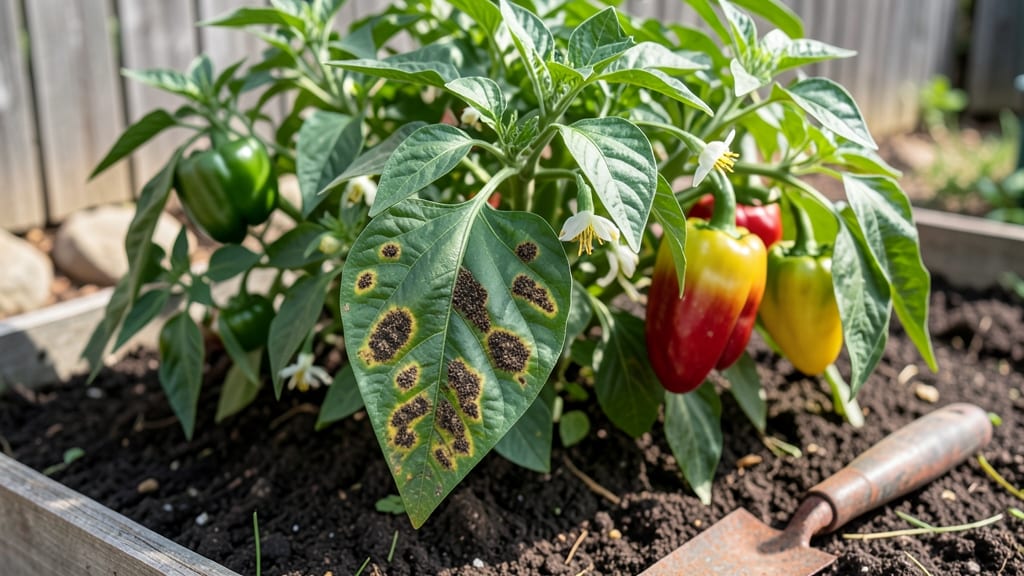
Fungus on pepper plants turns lush green leaves into sad, spotted messes—until you act. 🌱 I’ve saved dozens of plants from total collapse using just copper spray, sharp pruners, and a few simple habits that keep spores at bay.
The key? Catching it early, when the first yellow spots appear, before the fungus spreads like wildfire.
Most fungal issues—powdery mildew, early blight, or root rot—start with the same culprits: too much moisture, crowded plants, or ignoring warning signs. I’ve seen gardeners lose entire harvests because they waited too long.
The good news? Copper spray (homemade or store-bought) disrupts fungal growth on contact, while pruning infected leaves stops it from spreading to healthy foliage.
Within a week of treatment, you’ll notice new growth pushing through clean. The plants stay productive, the peppers ripen without blemishes, and you avoid the heartbreak of a ruined crop. The secret’s in the timing—spray at dawn or dusk when humidity is high but the sun isn’t scorching the leaves.
Works for all pepper varieties, from bell to jalapeño, and adapts to containers or in-ground beds. Here’s how to spot the problem, fix it fast, and keep your plants thriving all season long.
Root Causes Of Fungal Spread
Fungal infections on pepper plants don’t just appear out of nowhere—they thrive because of specific conditions that create the perfect storm for spores to germinate and spread.
Understanding these triggers is the first step to stopping them in their tracks. Let’s break down the science behind why your peppers become a fungal buffet.
Pepper plants are tropical at heart, but they despise soggy conditions. Fungi like Phytophthora, Alternaria, and Fusarium love moisture because it helps their spores germinate and spread. Here’s how it happens:
- Overwatering or Poor Drainage: When soil stays saturated for too long, roots suffocate, and fungal spores in the soil or on leaves get the hydration they need to wake up. Actionable fix: Let the top 1-2 inches of soil dry out between waterings, and amend heavy clay soil with compost or perlite to improve drainage. - Foliage That Never Dries: Wet leaves for more than 6–12 hours create a fungal paradise.
Morning watering (so leaves dry by evening) or drip irrigation (which avoids wetting foliage) can prevent this. - High Humidity Without Ventilation: Greenhouses, dense plantings, or humid climates trap moisture.
Fungi spread faster when air isn’t circulating. Pro tip: Space plants 12–18 inches apart and use a fan to keep air moving.
Stressed peppers are like open doors for fungi. When plants are struggling, their natural defenses weaken, making them vulnerable to infections. Common stress factors include:
- Nutrient Deficiencies: Lack of phosphorus or potassium weakens cell walls, making it easier for fungi to penetrate tissues. Test your soil and amend with a balanced organic fertilizer (like 5-5-5) if needed. - Physical Damage: Pruning wounds, hail, or insect bites create entry points for spores.
Always sterilize pruners with rubbing alcohol and avoid rough handling. - Overcrowding: Competitive plants with poor airflow struggle to dry quickly. Thin seedlings early to give each plant room to breathe.
Fungal spores are sneaky—they can lurk in soil, compost, or even your gardening tools for years. Here’s how they hitch a ride:
- Reused or Infected Soil: Old garden beds, unsterilized potting mix, or compost with fungal spores (like from diseased plants) can reintroduce problems. Solarize soil (cover with clear plastic for 4–6 weeks in summer) or use fresh, sterile mix.
- Dirty Tools: Pruners, gloves, or trellises can transfer spores from infected to healthy plants. Clean tools with 10% bleach solution or rubbing alcohol between uses.
- Crop Rotation Neglect: Planting peppers (or other nightshades like tomatoes) in the same spot year after year lets fungal pathogens build up. Rotate crops every 3 years and avoid planting in infected areas for at least 2 years.
Temperature and humidity play a huge role in fungal outbreaks.
Most pepper fungi thrive in: - Warm, Damp Air: Temperatures between 70–85°F (21–29°C) with high humidity (above 70%) accelerate spore growth. Mulch with straw to regulate soil temp and reduce evaporation. - Cool, Wet Nights: Nighttime temps dropping below 60°F (15°C) while leaves stay wet can trigger infections like powdery mildew. Use shade cloth in hot climates to prevent stress. - Frequent Rain or Overhead Watering: Splashing water spreads spores from soil to leaves. Water at the base and avoid late-day watering.
Some insects don’t just damage plants—they invite fungi.
For example: - Aphids & Whiteflies: Their sticky honeydew feeds fungal growth like Botrytis (gray mold). Blast plants with water or use neem oil to deter them. - Caterpillars & Slugs: Chewing wounds create entry points for spores. Handpick pests and use organic barriers (like diatomaceous earth) to protect leaves.
While organic gardening avoids harsh chemicals, even natural amendments can backfire if misused:
- Overuse of Organic Matter: Too much nitrogen-rich compost can promote lush, weak growth that’s prone to disease. Balance with phosphorus/potassium-rich amendments (like bone meal or kelp).
- Soil pH Imbalance: Fungi like Phytophthora thrive in acidic soil (pH < 6.0), while others prefer neutral to slightly alkaline conditions. Test your soil and adjust with lime (to raise pH) or sulfur (to lower it).
Fungal infections on peppers are rarely random—they’re the result of moisture + stress + opportunity. By addressing these root causes, you’re not just treating symptoms; you’re cutting off the fungus’s lifeline. Next up: how to fight back with organic copper sprays and smart pruning.
Fixing Fungus Issues Naturally
Now that you’ve identified the culprit behind your pepper plants’ woes, it’s time to roll up your sleeves and restore their health—without harsh chemicals. Below are practical, organic solutions tailored to the most common causes of fungal infections, along with prevention tips to keep your peppers thriving.
Fix it fast:
- 🔥 Adjust your watering routine: Water only when the top 1–2 inches of soil are dry. Use the "finger test"—stick your finger in the soil to check moisture levels.
- 🍳 Improve drainage: Amend heavy or compacted soil with perlite, sand, or compost to help excess water escape. Elevate pots if needed.
- 👨🍳 Prune affected leaves: Snip off yellowing or mushy leaves with sterilized scissors (wipe with rubbing alcohol between cuts). Dispose of them in the trash, not the compost bin.
Prevent future problems: ✨ Mulch properly: Use straw or wood chips (not plastic) to retain moisture without suffocating roots. Keep mulch 2–3 inches away from the plant stem. 🌡️ Water in the morning: This gives foliage time to dry, reducing humidity—fungus’s favorite breeding ground.
Fix it fast:
- 🔪 Thin out foliage: Remove crowded leaves to improve air circulation. Aim for 6–12 inches of space between plants.
- 🥘 Apply a copper spray: Mix 1 tsp copper sulfate (or a pre-made organic fungicide) with 1 gallon of water. Spray early in the day on dry leaves. Reapply every 7–10 days or after rain.
- 🌂 Provide shade cloth: If humidity is extreme, drape lightweight shade cloth (30–50%) over plants for a few hours daily.
Prevent future problems: 🎯 Space plants correctly: Follow seed packet guidelines for spacing—crowded plants = trapped moisture. 💡 Use drip irrigation: Avoid overhead watering, which splashes spores onto leaves.
Fix it fast:
- 💪 Boost plant strength: Feed with a balanced organic fertilizer (like fish emulsion or compost tea) to encourage vigorous growth.
- 🍄 Remove infected fruit/leaves: Fungal spores can hide in peppers! Toss any spotted, soft, or moldy peppers immediately.
- 🌱 Rotate crops next season: If peppers were in the same spot last year, move them to a new location to break the fungal cycle.
Prevent future problems: ✨ Strengthen immunity: Add 1 tbsp of neem oil to your copper spray for an extra antifungal boost. 🌱 Interplant with fungicides: Grow garlic, marigolds, or basil nearby—they repel fungi naturally.
If the problem keeps coming back, combine these methods for a one-two punch: 1. 🧼 Sterilize tools: Soak pruners in 1 part bleach to 9 parts water for 10 minutes between uses.
- 🌿 Use baking soda spray: Mix 1 tsp baking soda + 1 tbsp oil + 1 tsp soap in a gallon of water. Spray every 2 weeks (great for powdery mildew).
- 🌱 Solarize the soil: For severe cases, cover the soil with clear plastic for 4–6 weeks in hot sun to kill fungal spores.
Pro Tip: 🔥 Act fast! The sooner you treat fungus, the easier it is to save your plants. Check peppers weekly during humid months, and always clean up debris—fungus loves hiding in old leaves and stems.
Frequently asked questions about fungal issues on pepper plants
What are the first signs of fungus on my pepper plants?
Look for yellow or brown spots on leaves, white powdery coatings (powdery mildew), or dark, water-soaked patches (early blight). Check the undersides of leaves first—fungus often starts there. If you see mushy stems or roots that smell rotten, it’s likely root rot.
Can I still harvest peppers from plants with fungus?
Only pick peppers that are completely healthy—never harvest infected fruit. Fungal spores can hide inside peppers, so discard any with spots, mold, or soft areas. Focus on saving the plant first, then enjoy the clean harvest later.
How often should I spray copper fungicide on my peppers?
Apply copper spray every 7–10 days or after heavy rain. For prevention, start spraying once a month during humid months. Always spray early in the morning so leaves dry quickly—fungus thrives in damp conditions.
Will my pepper plants recover if I treat the fungus early?
Yes! With fast action, most peppers bounce back within 1–2 weeks. Remove infected leaves, improve airflow, and apply copper spray. New growth will push through clean, and your plant can still produce a full harvest if you catch it early.
Can I use the same soil next year if my peppers had fungus?
No—fungal spores survive in soil for years. Instead, solarize the soil (cover with clear plastic for 4–6 weeks in summer) or use fresh potting mix. Rotate crops by planting peppers in a different location next season.