
Picking
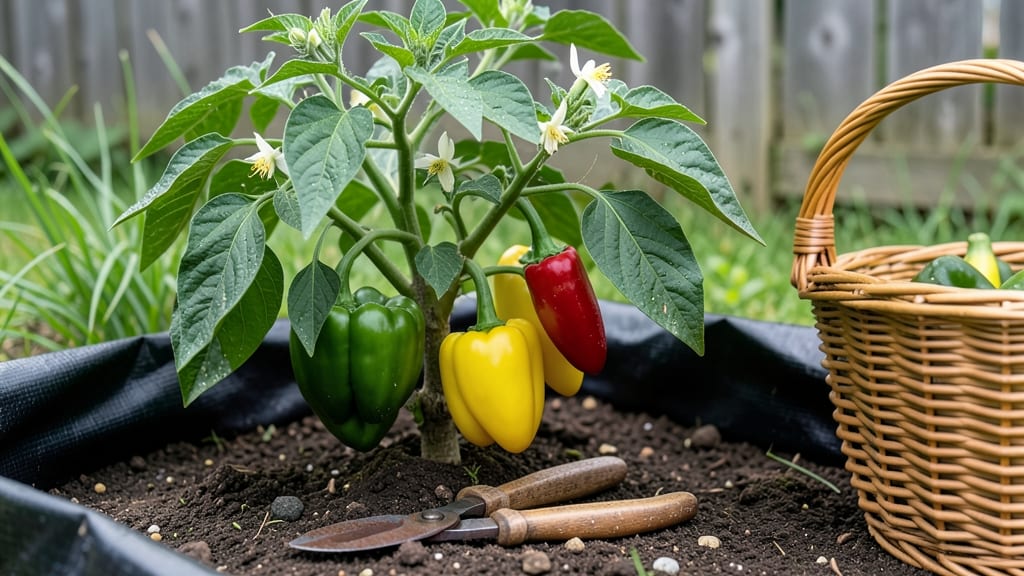
Harvesting bell peppers at the right time turns your garden into a flavor factory 🌶️—but miss the window, and you’re left with tough, seedy, or bland pods.
Picture this: You’ve nurtured your plants all season, and now the peppers are the size of your thumb and bursting with color. But wait—are they really ready? One wrong move, and you’ll either pull them too early (wasting potential) or too late (losing sweetness).
In this guide, I’ll walk you through the exact cues to spot—color, size, and firmness—and the best tools to use so you can pick like a pro. You’ll also learn how to store your haul to keep it fresh for weeks, because nobody wants their hard work going to waste.
By the end, you’ll know not just when to harvest, but how to maximize every pepper’s flavor, texture, and shelf life. Let’s get started!
When to harvest bell peppers for optimal flavor and texture
Bell peppers transform from bland to bursting with flavor when harvested at the perfect moment. Unlike many vegetables, their color, size, and texture all signal readiness—but timing varies by variety.
Green bell peppers, for example, are best picked when firm and glossy, while red, yellow, and purple varieties develop their signature sweetness only after full ripening.
Harvesting too early means mild, watery peppers with thin walls, while waiting too long can lead to overripe, mealy flesh or even cracked pods. The key is understanding the science behind ripening—how sugars develop, cell walls firm up, and pigments intensify.
Let’s break down the exact cues to watch for, plus how to avoid the most common mistakes.
🌶️ Pro Tip: Morning is the best time to harvest—peppers are cooler, firmer, and less prone to bruising. Plus, you’ll avoid the afternoon heat that can stress the plant.
| Variety | Size Benchmark | Color Cues | Touch Test | Harvest Window |
|---|---|---|---|---|
| Green Bell Peppers | 3–4 inches long | Deep, even green | Firm, glossy skin | 60–70 days after transplant |
| Red Bell Peppers | 3–5 inches long | Bright, uniform red | Slightly softer than green | 75–90 days after transplant |
| Yellow/Orange Peppers | 3–4 inches long | Vibrant yellow/orange | Firm but slightly yielding | 70–85 days after transplant |
| Purple Bell Peppers | 3–4 inches long | Deep purple (turns red when ripe) | Firm, glossy skin | 70–80 days after transplant |
📌 Note: Smaller varieties (like mini bell peppers) mature faster—check size first!
The color change is one of the most obvious harvest cues, but don’t rely on it alone. For example, red bell peppers develop their signature hue when sugar content peaks, but if the skin feels wrinkled or leathery, the pepper has overstayed its welcome.
Similarly, yellow and orange peppers often ripen faster than reds, so check them weekly once they start shifting colors.
Size matters too—most standard bell peppers should be 3–5 inches long before picking. Smaller peppers (under 2 inches) are underdeveloped and lack flavor, while oversized ones can become pithy or hollow.
Weigh them in your hand: a ripe pepper feels heavy for its size due to dense flesh. If it feels light or hollow, it’s past its prime.
Avoid these common harvest mistakes that ruin flavor:
- Picking in rain—wet peppers bruise easily and spoil faster.
- Twisting instead of cutting—this damages the plant and invites disease.
- Leaving peppers on the vine too long—they’ll turn rubbery or attract pests.
For container-grown peppers, harvest even more frequently—every 2–3 days in peak season—to encourage new fruit production. If you notice blossom end rot (black spots), harvest immediately and adjust your calcium-rich fertilizer routine. Overripe peppers won’t recover, but timely picks can salvage the rest of your crop.
🌱 Did You Know? Bell peppers continue to ripen off the vine if picked at the color-break stage (e.g., green turning yellow). Store them in a paper bag with a banana to speed up ripening using natural ethylene gas!
Finally, don’t overlook the stem attachment. Always leave a 1-inch stem when harvesting—this prevents rot and makes storage easier. Use clean pruners or sharp scissors to avoid tearing the pepper or spreading disease. With these cues in mind, you’ll go from homegrown disappointment to garden-fresh perfection every time.
Step-by-step guide to picking bell peppers without damaging the plant
Harvesting bell peppers at the right time ensures sweetness and crisp texture, but the method matters just as much. Twisting peppers from the vine risks tearing stems and inviting disease, while proper cutting keeps plants healthy and productive.
I’ve learned that timing—especially in hot climates—can mean the difference between a bumper crop and a sad, overripe mess.
Start by gathering your tools: a pair of sharp pruning shears, a small knife, or even clean scissors. Avoid using your fingernails or dull tools, as they can crush the stem and damage the plant.
I always keep a bucket of ice water nearby to store freshly picked peppers while I work, slowing down spoilage and keeping them firm.
How to Harvest Bell Peppers Safely
- 1 Choose the right pepper: Pick peppers that are 3-4 inches long, firm to the touch, and fully colored (green, red, yellow, or purple). Avoid peppers with soft spots or cracks.
- 2 Use clean tools: Sterilize your pruning shears or knife with rubbing alcohol to prevent spreading disease. Hold the tool at a 45-degree angle to the stem.
- 3 Cut, don’t twist: Make a clean cut 1/4 inch above the pepper’s stem. Avoid twisting, which can tear the plant and create entry points for pests.
- 4 Harvest in the morning: Pick peppers early in the day when temperatures are cooler. This preserves their crispness and reduces stress on the plant.
- 5 Store properly: Place harvested peppers in a paper bag or perforated plastic bag in the fridge. Avoid washing until ready to use to prevent mold.
If you’re harvesting in hot climates, like my zone 9b garden, peppers ripen faster. I check them every 2-3 days to avoid overripening, which turns sweet peppers bitter. For cooler climates, like zone 5a, peppers may take longer to mature, so patience is key.
What if your peppers are cracked or pest-damaged? Don’t toss them! Cracked peppers can still be used in cooking, and pest-damaged ones can be saved by removing affected areas. To encourage more production, prune damaged leaves and fertilize with a balanced 10-10-10 mix to give the plant a boost.
I’ve seen plants bounce back surprisingly well with a little TLC.
Regular harvesting stimulates new growth. When I pick peppers consistently, my plants keep producing well into fall. Just remember: the more you harvest, the more your bell pepper plant will reward you with fresh, flavorful peppers all season long.