
Picking
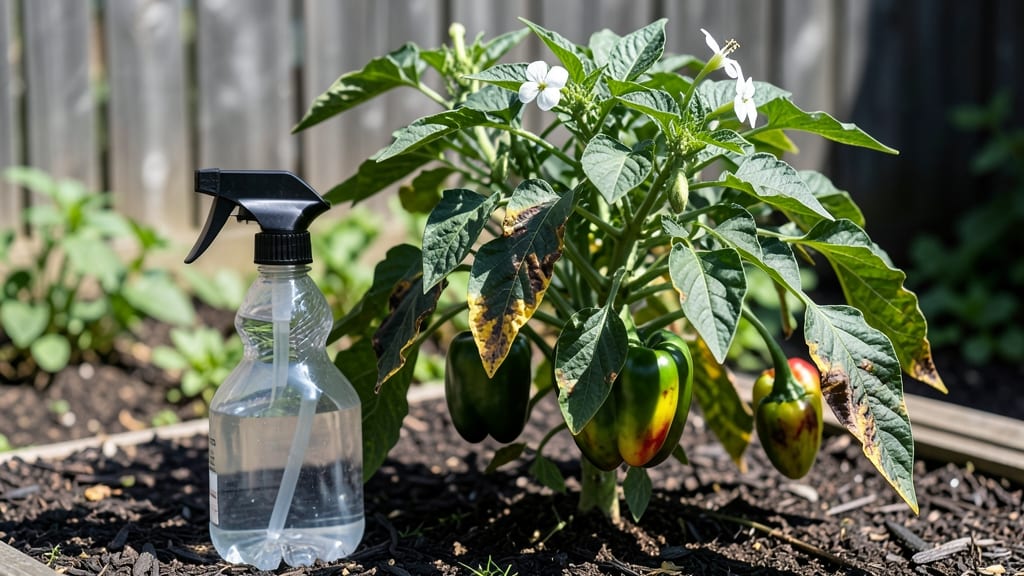
Seeing the damage from herbicide drift on your peppers—those sad, yellowed husks—can feel like a death sentence, but with quick action, you might just save them. 🌱 I’ve nursed back plants that looked beyond repair, and the secret lies in responding fast with the right fixes.
The damage might look irreversible, but peppers are tougher than they seem when you know what to do.
First, identify the damage: curled leaves, blackened stems, or stunted growth? That’s your clue. Herbicide drift or overspray can happen in seconds, but peppers react differently based on the type—some show symptoms in days, others take weeks.
The good news? Even severely damaged plants can bounce back if you remove the affected parts and give them fresh soil.
Start by pruning back any blackened or distorted growth—don’t hesitate, even if it looks drastic. Then, water deeply to flush out any lingering chemical, and feed with compost or a gentle fertilizer to jumpstart recovery.
Within weeks, you’ll see new, healthy shoots pushing through, and your peppers can still produce a harvest.
Prevention is easier: always check wind direction before spraying, keep edibles out of herbicide zones, and use organic alternatives like vinegar or corn gluten meal when possible. A little caution now saves a whole season later—and your sanity.
📚 In This Guide
- What you need
- Instructions
- Tips and common mistakes
- Wrapping up and next steps
What you need
- ● Gloves (nitrile or rubber) – 1 pair (to protect your hands from chemicals and soil)
- ● Pruning shears or sharp scissors – 1 pair (sterilized with rubbing alcohol)
- ● Garden hose with adjustable nozzle – For rinsing plants (ensure it delivers a gentle stream)
- ● Chelated iron or iron sulfate – 1 lb (to replenish nutrients lost due to herbicide stress)
- ● Compost or well-aged manure – 5–10 gallons (to boost soil fertility and microbial activity)
- ● Mulch (straw, wood chips, or grass clippings) – 2–3 inches thick (to retain moisture and protect roots)
- ● pH test kit – 1 (to check soil pH and adjust if needed; peppers thrive at 6.0–6.8)
- ○ Activated charcoal (optional but helpful) – 1 cup (mixed with water to rinse plants and absorb residual herbicide)
- ● Hydrogen peroxide (3%) – 1 quart (diluted to 1:9 with water for a foliar spray to detoxify leaves)
- ● Seaweed extract or liquid kelp – 1 quart (to strengthen plant resilience and recovery)
- ● Mycorrhizal fungi inoculant – 1 packet (to enhance root health and nutrient uptake)
- ● Plastic sheeting or tarp – 4’x6’ (to cover plants during heavy rain if rinsing is needed)
- ● Spray bottle (for targeted treatments) – 1–2 (for applying liquid amendments like seaweed extract)
Quick fixes to save peppers after herbicide exposure
Here’s how to assess and revive peppers damaged by herbicide—fast action makes all the difference.
🌿 Step 1: Identify the Type and Severity of Damage
First, examine the affected leaves and stems for symptoms: yellowing, curling, or blackened edges. Glyphosate (like Roundup) causes systemic damage, while contact herbicides like 2,4-D burn foliage. If you see crispy brown edges on leaves, it’s likely a contact herbicide. Systemic damage means the whole plant may need replacement.
Check new growth—if it’s still healthy, the plant may recover. If young leaves are also distorted or stunted, the herbicide has moved through the plant’s vascular system, and recovery is unlikely. Note which parts are affected: roots, stems, or leaves—this tells you how aggressive the cleanup needs to be.
💧 Step 2: Flush the Soil and Roots Immediately
Act fast: water the plant deeply for 10-15 minutes to dilute any residual herbicide in the soil. Use a garden hose on a gentle setting to avoid dislodging roots. Focus on the outer 6 inches of soil, where most herbicide residue lingers. Repeat this process every 2-3 days for a week to ensure thorough rinsing.
If possible, move the plant to a clean, uncontaminated area—even a temporary pot with fresh soil. Herbicides linger in soil, and repeated exposure will kill the plant. If you can’t relocate it, amend the soil with 2-3 inches of compost to bind and neutralize remaining chemicals. Avoid fertilizing until you’ve confirmed the plant is stable.
✂️ Step 3: Prune Damaged Foliage and Stimulate New Growth
Use clean, sharp pruners to trim away any blackened, curled, or yellowed leaves. Cut back to healthy green tissue—this reduces the plant’s energy drain and prevents further spread of toxins. Disinfect your pruners with rubbing alcohol between cuts to avoid introducing pathogens.
After pruning, apply a balanced liquid fertilizer (10-10-10) at half strength to encourage regrowth. Focus on the roots by watering deeply after fertilizing. If the plant is still producing new leaves after 7-10 days, it’s likely recovering. If not, consider replacing it—herbicide damage can be irreversible once it reaches the roots.
☀️ Step 4: Protect and Monitor for Recovery Signs
Shade the plant with a lightweight row cover or cloth for 3-5 days to reduce stress from direct sunlight and wind. Herbicide-stressed plants are more vulnerable to heat and dehydration. Remove the cover once new growth appears—this signals the plant is stabilizing.
Watch for new leaf emergence within 2 weeks. Healthy growth means the plant is recovering. If you see no new leaves after 3 weeks, the herbicide has likely damaged the vascular system, and the plant won’t survive. In that case, start fresh with a new transplant and amend the soil with organic matter to prevent future contamination.
⏰ Step 5: Prevent Future Exposure and Long-Term Care
If you suspect herbicide drift, avoid planting peppers in the same spot for at least 2 years. Herbicides can persist in soil. Instead, rotate crops with fast-growing, herbicide-tolerant plants like radishes or lettuce to help break down residues.
For long-term protection, use mulch (2-3 inches of straw or grass clippings) around pepper plants to create a barrier against future herbicide spray. Monitor nearby lawns or fields for herbicide applications—peppers are highly sensitive, and even trace amounts can be fatal. If you’re unsure about nearby treatments, opt for container growing to isolate your peppers completely.
Tips & tricks for reviving herbicide-damaged peppers
Fast action is your best ally when dealing with herbicide exposure—here’s how to maximize your plant’s chances of recovery.
Timing is Everything: The 10-15 minute deep watering in Step 2 is critical, but timing matters just as much. Water immediately after noticing damage—herbicides degrade quickly in soil, but the longer they sit, the deeper they penetrate. I’ve seen peppers recover beautifully when treated within hours of exposure, but plants left untreated for days often don’t make it. Set a timer to ensure you’re watering long enough; a gentle stream prevents root disturbance while thoroughly rinsing the soil.
Root Health Check: Before relocating or amending soil in Step 2, test root health by gently tugging on the plant. If roots slip easily from the soil (not too loose, not too tight), they’re likely intact. If you see blackened or mushy roots, the herbicide has already compromised the root system, and recovery is unlikely. In that case, focus on preventing further damage rather than reviving the plant.
Fertilizer Timing Matters: The 7-10 day window for assessing regrowth after applying diluted 10-10-10 fertilizer is your best indicator. If you don’t see new leaves by day 10, hold off on additional fertilizer—it can stress an already compromised plant. Instead, focus on consistent moisture and shade. I’ve had success with a second application of diluted fertilizer only if the plant shows any signs of recovery by day 7.
Shade Strategy: When shading in Step 4, avoid plastic covers—they trap heat and humidity, which can accelerate rot in damaged plants. Opt for breathable materials like cheesecloth or lightweight fabric that still block 50-70% of sunlight. This balance reduces stress while allowing some light for photosynthesis. Monitor daily: if the plant looks wilting under the cover, it’s too hot; if new growth is sluggish, it needs more light.
Pro Tips for Herbicide Damage On Peppers
- Fast action is your best ally when dealing with herbicide exposure—here’s how to maximize your plant’s chances of recovery.
- Timing is Everything: The 10-15 minute deep watering in Step 2 is critical, but timing matters just as much.
- Root Health Check: Before relocating or amending soil in Step 2, test root health by gently tugging on the plant.
Frequently asked questions
Got questions about herbicide damage on your peppers?
You’re not alone! Here are some of the most common concerns—and practical solutions—to help you save your crop and avoid future issues.
How do I know if my pepper plants have herbicide damage?
Look for yellowing leaves, stunted growth, or crispy, brown edges on foliage. If the damage appears on older leaves first and spreads upward, it’s likely herbicide drift or residue. Check for uneven patterns—herbicides rarely affect plants uniformly like pests or disease.
How long does it take for peppers to recover from herbicide damage?
Recovery time varies! Mild cases may show improvement in 2–4 weeks if the plant is otherwise healthy. Severe damage might take 6–8 weeks or result in stunted fruit production. Prune dead leaves to redirect energy, but avoid over-trimming—keep at least 50% of healthy foliage.
Can I still harvest peppers from plants damaged by herbicides?
Yes, but with caution. Fruits already on the plant at the time of exposure are usually safe to eat—herbicides rarely transfer to edible parts. Avoid harvesting new growth or leaves, as they may contain residues. If you’re unsure, test soil/water with a home herbicide test kit.
What are natural alternatives to prevent herbicide drift on peppers?
Try these preventive measures:
- Buffer zones: Plant a 10–20 ft barrier of grass, clover, or native plants between your garden and treated areas.
- Mulch: Use straw or wood chips to suppress weeds naturally.
- Hand-pulling: Remove weeds by hand when they’re small (before seeding).
- Vinegar spray: A 5% acetic acid solution (1 gallon vinegar + 1 tbsp dish soap) kills weeds—but don’t spray peppers directly!
Will herbicide damage affect next year’s pepper crop?
Direct damage to the plant won’t persist, but soil residues can linger for 1–2 years, depending on the herbicide. Test your soil before replanting peppers. Crop rotation with non-sensitive plants (like beans or squash) helps break down residues faster.
Wrapping up and next steps
Herbicide damage on your pepper plants can feel overwhelming, but with the right quick fixes and proactive care, you can still salvage—and even thrive—this growing season. 🌱 From flushing the soil to adjusting watering habits, these steps help your peppers bounce back stronger. Don’t wait—act fast, stay patient, and watch your crop recover!
Ready to turn things around? Start by testing your soil and monitoring your plants daily. If you’re unsure where to begin, consult a local agricultural extension service for tailored advice. Your peppers—and your future harvests—will thank you!