
Picking
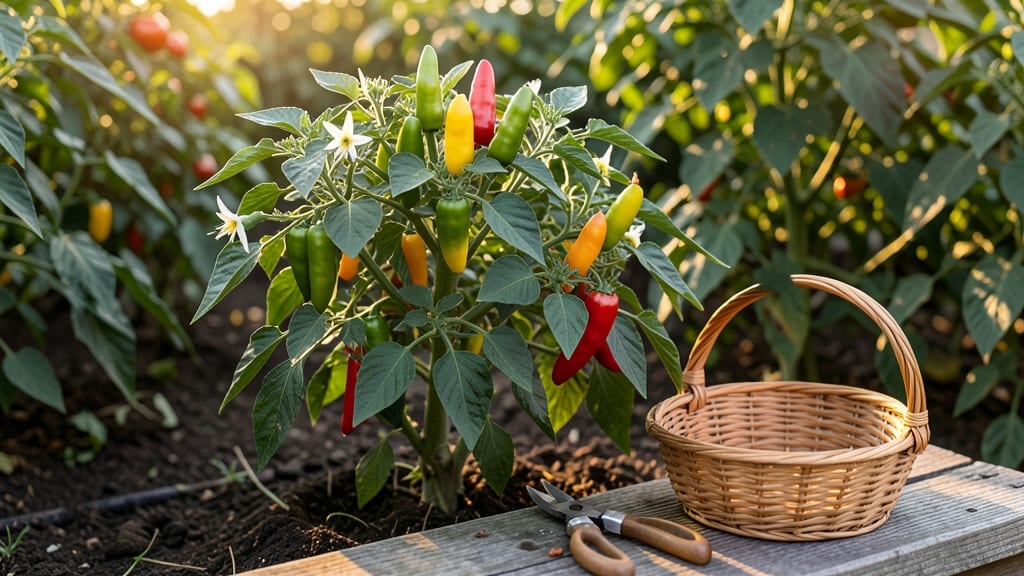
Growing hot banana peppers delivers that perfect balance of sweet heat in just 70 days—and I’ve learned the exact conditions that turn good harvests into jaw-dropping ones.
These peppers thrive in warm climates but can also succeed in short seasons with the right timing and care, producing 100+ peppers per plant when happy. The key starts with soil that drains well but holds moisture, paired with full sun and consistent warmth.
Begin with seeds or transplants, but if you’re starting from seed, aim for germination in 60-70°F soil—too cool, and they’ll sulk. Transplant after the last frost when nighttime temps stay above 55°F, spacing plants 18-24 inches apart to prevent crowding.
The first few weeks are critical: keep soil evenly moist (not soggy) and watch for blossom end rot, which appears as dark, sunken spots on the fruit—usually a sign of inconsistent watering or calcium deficiency.
Once established, these peppers are low-maintenance but reward attention with flavor. Prune suckers (those little shoots at the base of the stem) to direct energy to fruit production, and feed lightly with a balanced fertilizer every 4-6 weeks.
Harvest when peppers turn bright yellow and reach 2-3 inches long—the sooner you pick, the more your plant will produce. Store them in a cool, dry place, and they’ll keep for weeks, ready to add that signature kick to salsas, pickles, or homemade hot sauce.
For gardeners in cooler zones, opt for early-maturing varieties like ‘Apache’ or ‘Lipstick’—they handle brief chills better than others. And if you’re new to growing peppers, start with just 2-3 plants to test your conditions before scaling up.
The first harvest will have you hooked on that sweet, fiery flavor you can’t find in stores.
📚 In This Guide
- What you need
- Instructions
- Tips and common mistakes
- Wrapping up and next steps
What you need
- ● Hot banana pepper seeds – 5–10 seeds (or 1–2 plants if buying seedlings). Choose a reputable brand like Seed Needs or Baker Creek for high-quality, heirloom varieties.
- ● Containers or garden bed – 5–6 inch deep pots (if starting indoors) or a sunny garden plot with well-draining soil. For containers, use at least 3–5 gallons per plant.
- ● Potting mix – 10–15 lbs of high-quality, sterile seed-starting mix (e.g., Miracle-Gro Seed Starting Potting Mix). Avoid garden soil—it’s too dense for seedlings!
- ● Fertilizer – A balanced 5-10-5 or 10-10-10 NPK fertilizer (e.g., Jack’s Classic All Purpose) for transplanting. Dilute to half-strength for seedlings.
- ● Grow lights or sunny window – A full-spectrum LED grow light (e.g., Sprout Pro) or a south-facing window with 6+ hours of sunlight daily.
- ● Watering can or spray bottle – A fine-mist sprayer for seedlings and a watering can with a gentle stream for mature plants.
- ● Plant labels – Small stakes or markers to track varieties (especially useful if growing multiple peppers!).
- ● Heat mat – A seedling heat mat (e.g., Vivosun) to maintain soil temps between 75–85°F for faster germination.
- ● Pruning shears – Sharp scissors (e.g., Felco) for trimming leggy seedlings or harvesting peppers.
- ● Support stakes or cages – 3–4 ft tall tomato cages or bamboo stakes to support heavy pepper plants.
- ● Mulch – Straw or shredded leaves to retain moisture and suppress weeds in garden beds.
- ● pH test kit – To ensure soil pH is between 6.0–6.8 (peppers thrive in slightly acidic soil!).
- ● Gloves – Heavy-duty gardening gloves (e.g., Gloves USA) to protect your hands from spicy peppers and prickly stems.
Step-by-Step guide to growing hot banana peppers
Here's how to cultivate these fiery-sweet peppers from seed to harvest in just 70 days.
🌱 Step 1: Start Seeds Indoors 8-10 Weeks Before Last Frost
Fill seed trays with a sterile seed-starting mix and plant banana pepper seeds ¼ inch deep, spacing them 1 inch apart. These seeds germinate best at 75-85°F, so use a seedling heat mat if your home runs cooler. Keep the soil consistently moist but never soggy—banana peppers hate waterlogged roots from the start.
Cover the trays with plastic wrap or a humidity dome to retain warmth and moisture. Check daily for condensation and remove the cover once 50% of seeds sprout, usually within 7-14 days. This prevents damping-off disease that can wipe out seedlings overnight. Once sprouts emerge, move them to a bright, sunny window or under grow lights for 14-16 hours daily to prevent leggy growth.
☀️ Step 2: Transplant Seedlings After True Leaves Form
Wait until seedlings develop 2-3 sets of true leaves before transplanting, typically 4-6 weeks after sowing. Harden off seedlings by placing them outdoors in partial shade for 1-2 hours the first day, gradually increasing exposure over 7-10 days. This acclimates them to outdoor conditions and prevents transplant shock.
Choose a full-sun location with well-draining soil—banana peppers thrive in 60-90°F temperatures and 6+ hours of direct sunlight. Amend the soil with compost to improve fertility and drainage. Plant seedlings 12-18 inches apart in rows 18-24 inches apart to allow for airflow and reduce disease risk. Water deeply at transplanting to settle the soil around the roots.
💧 Step 3: Maintain Consistent Water and Fertility
Water banana peppers at the base to keep the soil evenly moist but not waterlogged. These peppers are drought-tolerant once established, but uneven moisture leads to bitter fruit. Mulch around plants with 2-3 inches of organic mulch to retain soil moisture and suppress weeds. Avoid wetting the foliage when watering to prevent fungal diseases like early blight.
Fertilize every 2-3 weeks with a balanced, water-soluble fertilizer (10-10-10) diluted to half-strength. Over-fertilizing encourages leafy growth at the expense of fruit production. You’ll know you’re on track when plants produce white flowers within 50-60 days—these signal the start of pepper development. Prune suckers (side shoots) to direct energy into fruit production rather than excessive foliage.
✂️ Step 4: Harvest and Encourage Continuous Production
Banana peppers turn from green to yellow when ripe, but you can harvest them at any stage for varying heat levels. Pick peppers when they reach 2-3 inches long for the classic "banana" shape and sweet-spicy flavor. Use clean pruning shears to avoid damaging the plant, and harvest in the morning when heat levels are lowest for best flavor.
To maximize yield, pinch off spent flowers and encourage new blooms by pruning back leggy growth after each harvest. Continue fertilizing lightly and watering deeply until the first frost. With proper care, a single banana pepper plant produces 50-100 peppers per season, making it one of the most prolific home garden varieties.
Tips & tricks for perfect hot banana pepper cultivation
These pro-level insights will help you bypass common pitfalls and maximize your fiery harvest.
Germination Temperature: The 75-85°F range for seed germination is non-negotiable—banana pepper seeds won't sprout reliably outside this window. If your home stays cooler, invest in a seedling heat mat ($15-$20) placed under your seed trays. I've seen germination rates drop by 40% when seeds sit below 70°F. Pro tip: Place your trays on top of your fridge (not inside) for that perfect warm spot without overheating.
Harden Off Strategically: That 1-2 hour initial hardening period in Step 2 is where most transplant shock happens. I recommend starting with just 30 minutes on day one, then gradually increasing by 30 minutes each day. Watch for wilting—the plant's way of saying "this is too much." Also, harden off in the morning when temperatures are cooler, giving seedlings time to recover before evening heat stress.
Soil Temperature Matters: While the instructions mention 60-90°F growing temperatures, soil temperature is equally critical. Use a soil thermometer to confirm your garden bed is at least 65°F before transplanting—cooler soil slows root establishment. If your spring soil runs cold, consider using black plastic mulch 2-3 weeks before transplanting to warm the soil naturally. This simple step can mean the difference between thriving plants and stunted growth.
Pruning for Productivity: The instructions mention pruning suckers, but here's the secret: focus on the main stem first. Once your plant has 3-4 main branches, you can start removing suckers to redirect energy to fruit production. I've found that plants with 5+ main branches actually produce fewer but larger peppers, while heavily pruned plants yield more smaller peppers—choose your harvest goal before you start pruning.
Pro Tips for Hot Banana Peppers
- These pro-level insights will help you bypass common pitfalls and maximize your fiery harvest.
- Germination Temperature: The 75-85°F range for seed germination is non-negotiable—banana pepper seeds won't sprout reliably outside this window.
- Harden Off Strategically: That 1-2 hour initial hardening period in Step 2 is where most transplant shock happens.
Frequently asked questions
Got questions about growing and using hot banana peppers?
You’re not alone—these fiery-sweet peppers spark curiosity! Here are answers to the most common queries to help you cultivate (and spice up) your harvest like a pro.
How long do hot banana peppers take to mature?
Hot banana peppers typically mature in 70–80 days from transplanting, depending on your climate. Start seeds indoors 8–10 weeks before the last frost, or buy seedlings for a faster harvest. Pro tip: Warm soil (65°F+) speeds up growth—consider black plastic mulch in cooler regions!
Can I eat hot banana peppers raw, or do I need to cook them first?
These peppers are crunchy and delicious raw—slice them thin for salads, snack on whole pods, or stuff them like mini jalapeños. Cooking (grilling, roasting, or pickling) mellows their heat slightly but isn’t required. Warning: Their 30,000–50,000 SHU kick packs a punch—start small!
Why are my hot banana pepper plants wilting or turning yellow?
Wilting or yellowing leaves often signal underwatering, overwatering, or nutrient deficiencies. Check soil moisture (top inch should be dry), ensure well-draining soil, and fertilize every 2–3 weeks with a balanced 10-10-10 or tomato-specific feed. Pests like aphids can also stress plants—spray with neem oil if needed.
What’s the best way to reduce the heat in hot banana peppers?
To tame the spice, remove the seeds and membranes (where capsaicin concentrates) before using. Soaking sliced peppers in milk or vinegar for 10–15 minutes also helps neutralize heat. For cooking, pair them with sweet ingredients (pineapple, honey, or tomatoes) to balance flavors.
Can I grow hot banana peppers in containers?
Yes! These peppers thrive in 5-gallon containers or larger with at least 6 hours of sunlight daily. Use a high-quality potting mix with compost, and ensure drainage holes are present. Dwarf varieties (like ‘Sweet Banana’) are ideal for pots. Bonus: Containers make them mobile—chase the sun for optimal growth!
What’s the best way to preserve hot banana peppers?
Preserve their bold flavor with these methods:
- Pickling: Pack sliced peppers in vinegar, garlic, and spices for tangy heat.
- Freezing: Blanch whole peppers for 2 minutes, then freeze in bags (thaw before using).
- Drying: Slice thin, dehydrate at 135°F for 2–4 hours, then crush into flakes.
- Fermenting: Add to homemade hot sauce with apple cider vinegar and spices.
Wrapping up and next steps
Hot banana peppers are a fantastic addition to any garden—and your kitchen! 🌶️ With their quick 70-day harvest time, bold flavor, and versatility, they’re perfect for spicing up everything from salsas to pickles. Whether you're a seasoned gardener or a beginner, growing these fiery-sweet peppers is rewarding and fun.
Ready to level up your spice game? Start by planting your seeds or seedlings this season and enjoy the thrill of harvesting your own homegrown heat! 🌱✨ Next up: Experiment with recipes or share your pepper bounty with friends—because great flavors are best enjoyed together.