
Picking
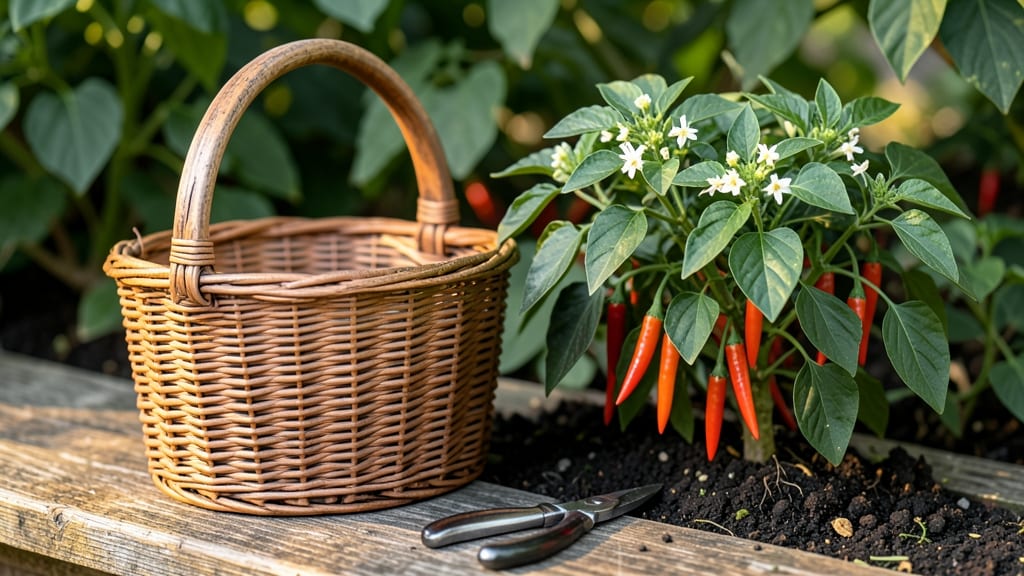
Drying cayenne peppers unlocks their fiery potential for year-round use—whether in spicy salsas, pest-repellent sprays, or homemade hot sauces. 🌶️ The process is simpler than you think, and once you master it, you’ll never buy store-bought flakes again.
My first batch turned out so potent that I had to dilute it for cooking, but now I control the heat level perfectly.
You’ll need just three things: ripe cayenne peppers (red is ideal), a well-ventilated space or oven/dehydrator, and a little patience. For sun-drying, pick a dry, shady spot with good airflow—like a screen porch or mesh bag hung outside.
If you’re short on sunshine, an oven at 175°F or a dehydrator set to 135°F works just as well, preserving that signature kick without burning the peppers.
The payoff? A pantry shelf lined with vibrant, shatterproof flakes that pack three times the heat of fresh peppers. Store them in airtight jars away from light, and they’ll stay potent for up to a year.
Sprinkle them into dishes, blend them into hot sauces, or even mix them with water for a natural garden pest deterrent—your harvest just got a second life.
Pro tip: Avoid overcrowding your drying rack, or you’ll end up with moldy peppers instead of fiery flakes. And if you’re new to drying, start with a small batch—those cayennes pack a serious punch, and you’ll want to taste-test along the way. Ready to preserve that summer harvest?
📚 In This Guide
- What you need
- Instructions
- Tips and common mistakes
- Wrapping up and next steps
What you need
- ● Fresh cayenne peppers – Aim for 1-2 pounds (about 10-20 peppers, depending on size). Choose firm, ripe peppers with vibrant color.
- ● Clean, sharp knife or pruning shears – For harvesting stems and cutting peppers into desired shapes (whole, halves, or slices).
- ● Cutting board – A large, stable board (preferably food-grade) to prep your peppers safely.
- ● Drying racks or screens – Use mesh screens, wire racks, or dehydrator trays (ensure they’re at least 12x12 inches for airflow). Alternatively, a clean, dry towel can work in a pinch!
- ● String or twine – For hanging methods (if air-drying outdoors). Use food-safe twine or parchment paper to tie stems.
- ● Paper towels or clean kitchen cloth – To gently pat peppers dry before drying (removes excess moisture for faster results).
- ● Food-safe storage containers – Air-tight jars, bags, or vacuum-sealed bags (once dried, store peppers in a cool, dark place).
- ● Dehydrator – Set to 135°F (57°C) for 4-6 hours (faster than air-drying!).
- ● Oven – If no dehydrator, use on low heat (170°F/77°C) with the door cracked open.
- ● Food dehydrator sheets – For even drying and easy cleanup.
- ● Humidity monitor – Ensures your drying area stays below 60% humidity (critical for preventing mold!).
- ● Spice grinder or mortar & pestle – For crushing dried peppers into flakes or powder later.
Step-by-step instructions for drying cayenne peppers
Here's how to preserve that fiery harvest without losing a drop of heat.
🌿 Step 1: Harvest and Prepare Peppers for Drying
Pick cayennes when they're fully ripe but still firm—typically 60-90 days after transplanting. Look for deep red color and a slight give when gently squeezed. Rinse them briefly under cool water to remove dirt, then pat completely dry with a clean towel or paper towels. Wet peppers won't dry properly and may develop mold.
Remove stems by snapping them off cleanly at the base. This prevents rot from spreading through the pepper's core. For uniform drying, slice peppers into ¼-inch rings or leave whole if they're small. Larger peppers dry better when sliced—they expose more surface area to air circulation, which is key for even drying.
☀️ Step 2: Choose Your Drying Method
Sun drying works best in climates with dry, warm air (70-85°F) and low humidity. Arrange pepper slices or whole peppers on a clean, dry screen or mesh rack placed in direct sunlight. Space them 1 inch apart so air flows freely around each piece. Cover the rack with cheesecloth or a fine mesh to keep bugs out while allowing airflow.
For indoor drying, use a food dehydrator set to 135°F. Arrange peppers in a single layer on the trays, leaving ½ inch between pieces. Run the dehydrator for 4-6 hours until peppers are completely dry and brittle. You'll know they're ready when they snap easily when bent—this ensures maximum heat retention.
🪴 Step 3: Monitor and Complete the Drying Process
Check peppers every 2-3 hours during sun drying. They're done when they feel dry to the touch, turn slightly leathery, and no longer bend easily. If humidity spikes or rain threatens, bring them indoors immediately to finish drying. Uneven drying leads to moldy spots, which can ruin your entire batch.
For dehydrator drying, leave peppers in until they're completely dry—no moisture should remain. Store dried peppers in an airtight container in a cool, dark place. They'll keep for up to 1 year if properly dried and stored. Label containers with the date to track freshness.
⏰ Step 4: Store and Use Your Dried Cayennes
Once fully dried, let peppers cool completely before storing. Place them in a glass jar or airtight container lined with parchment paper to prevent sticking. Store in a dark, cool pantry away from heat sources. Properly dried cayennes will maintain their heat and flavor for months.
To use, crush dried peppers into flakes with a mortar and pestle or blend them into a powder. You can also rehydrate them in warm water for soups and stews. A little goes a long way—start with ¼ teaspoon and adjust to taste. The longer they dry, the more concentrated the heat becomes.
Tips & tricks for perfect sun-dried cayenne peppers
These little tricks will help you preserve that garden-fresh heat without losing a single fiery note.
Harvest Timing: I can't stress enough how important the 60-90 day window is for harvesting cayennes. The longer they stay on the vine past full ripeness, the more the heat actually intensifies—but they also become more prone to rot. Check them daily once they turn deep red, because that's when they're at peak flavor and heat potential.
Slice Uniformity: When slicing into ¼-inch rings, consistency is key for even drying. Use a sharp knife and try to make all slices the same thickness—this ensures they all dry at the same rate. I like to slice them while still slightly firm after rinsing, as they'll soften slightly as they dry.
Dehydrator Spacing: That ½-inch spacing between peppers on dehydrator trays might seem excessive, but it's crucial. Crowding peppers creates steam pockets that prevent proper drying. If you're short on space, use two trays instead of overloading one. The goal is to maximize airflow—this is what turns fresh peppers into concentrated heat flakes.
Humidity Watch: During sun drying, humidity is your worst enemy. If you notice condensation forming on your peppers or the air feels sticky, bring them inside immediately. I've ruined batches by leaving them out during sudden humidity spikes—trust me, it's better to finish drying indoors than risk mold. A simple kitchen fan can help circulate air if humidity is a concern.
Pro Tips for How Do You Dry Cayenne Peppers
- These little tricks will help you preserve that garden-fresh heat without losing a single fiery note.
- Harvest Timing: I can't stress enough how important the 60-90 day window is for harvesting cayennes.
- Slice Uniformity: When slicing into ¼-inch rings, consistency is key for even drying.
Frequently asked questions
Got questions about drying cayenne peppers? You’re not alone! Here are some of the most common concerns—and their solutions—to help you master the process like a pro.
How long does it take to dry cayenne peppers in the sun?
Drying time depends on weather, but expect 3–7 days in full sun (6–8 hours of direct sunlight daily). On cloudy days, extend drying to 10–14 days. Test for readiness by checking for a papery texture and crisp stems—if they snap easily, they’re dry!
Can I speed up drying with an oven or dehydrator?
For faster results, use a dehydrator at 125–135°F (52–57°C) for 2–4 hours or an oven on low heat (170°F/77°C) with the door cracked open. Stir occasionally to ensure even drying. Oven methods take 4–6 hours total.
What if my peppers mold or smell bad during drying?
Mold or funky odors mean moisture is still present. Remove peppers immediately, discard any affected ones, and check your drying setup. Ensure good airflow, avoid humidity, and store dried peppers in airtight containers once fully dry. If mold appears, try a dehydrator or oven next time for better control.
How do I store dried cayenne peppers long-term?
Store peppers in airtight containers (glass jars or Mylar bags) in a cool, dark place (like a pantry). They’ll last 6–12 months if kept dry. For extra shelf life, freeze them in small batches or grind into powder and store in the freezer. Label containers with the date!
What can I do with cayenne peppers if I can’t dry them?
No problem! Freeze whole peppers for later use, pickle them in vinegar for spicy snacks, or blend into hot sauce. If you’re short on time, blanch and freeze them whole—they’ll keep for up to 6 months without drying.
Wrapping up and next steps
Drying cayenne peppers is a simple yet rewarding process that unlocks their fiery potential for months to come! Whether you’re sun-drying, oven-drying, or using a dehydrator, the key is patience and consistency—let those peppers lose moisture slowly for the best flavor and potency.
Now that you’ve mastered the technique, why not experiment? Try infusing dried cayennes into oils, blending them into spice rubs, or even crafting your own homemade hot sauce. Your kitchen (and taste buds) will thank you! 🌶️✨