
Plants
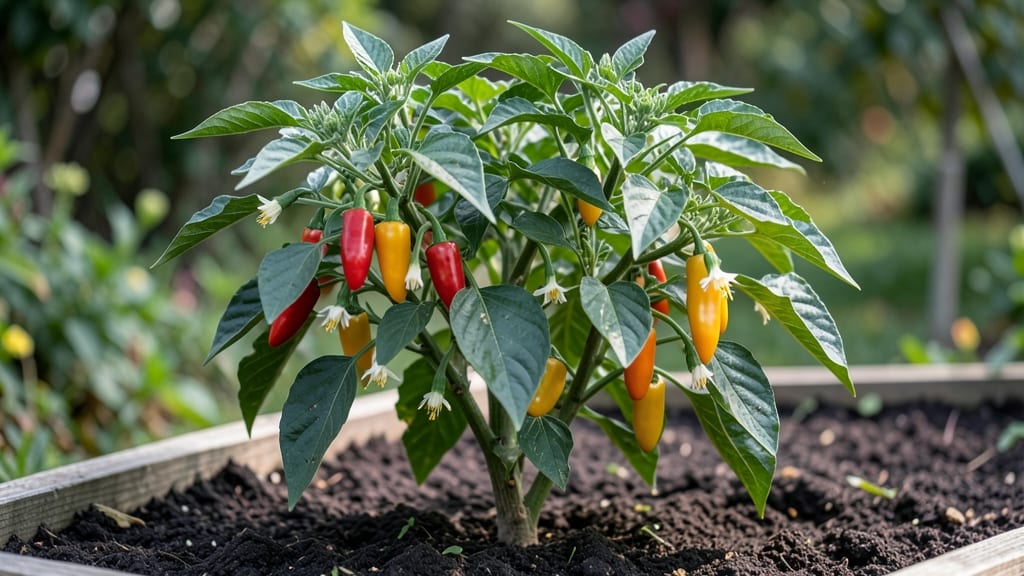
Habanero pepper plants grow between 2 and 4 feet tall, depending on the variety and growing conditions—so if you’re squeezing them into a small garden or container, size matters more than you think.
Picture this: you’ve got a 🌶️ plant thriving in your backyard, but it’s shooting up like a jungle vine instead of staying neat and manageable. That’s the beauty—and challenge—of habaneros: some varieties stretch sky-high, while others stay compact enough for balconies or windowsills.
Whether you’re working with 3-foot giants or 2-foot dwarfs, understanding their growth habits is the key to maximizing space, yield, and even flavor. The right pruning, sunlight, and variety choice can turn a space hog into a tidy, productive plant.
In this guide, I’ll break down the height ranges of popular habaneros, share tips to control their size, and highlight the best compact varieties for small gardens. Ready to grow without the guesswork?


Average habanero pepper plant height: compact vs. tall varieties explained
When planning your habanero pepper garden, knowing the mature plant height helps you decide between sprawling varieties and compact bush types. Most standard habanero peppers reach 3 to 4 feet tall, while dwarf varieties stay between 1 to 2 feet.
This height difference impacts spacing, pruning needs, and even container choices.
Understanding these height variations lets you optimize your garden layout. Tall varieties need 24 to 36 inches of space between plants, while compact types thrive in 12 to 18 inches of clearance. Let’s break down the key differences so you can choose the perfect fit for your space.
Comparison Table: Habanero Pepper Heights
| Variety Type | Height Range | Spacing Needs | Best For |
|---|---|---|---|
| Standard Habanero | 3–4 feet | 24–36 inches apart | Large gardens, raised beds |
| Bush/Dwarf Habanero | 1–2 feet | 12–18 inches apart | Containers, small spaces, balconies |
| Semi-Dwarf Habanero | 2–3 feet | 18–24 inches apart | Medium gardens, patio pots |
Standard habanero varieties like the classic Red Savina or Orange Habanero typically grow 3 to 4 feet tall with vigorous branching. These plants need ample sunlight and well-draining soil to reach their full height potential. If you’re working with limited space, consider pruning techniques to control their growth.
On the other hand, dwarf habanero varieties are bred to stay compact and bushy, making them ideal for container gardening or small urban plots.
Varieties like Chocolate Habanero or Rojo de Yucatan rarely exceed 2 feet in height, allowing you to grow them in 5-gallon pots or hanging baskets.
If you’re growing habanero peppers in containers, choose dwarf varieties to avoid overcrowding. A 5-gallon pot works well for a single bush-type habanero, while larger containers (10+ gallons) can accommodate semi-dwarf types. Always ensure your container has drainage holes to prevent root rot.
For gardeners with limited vertical space, consider trellising or staking your taller habanero plants. This technique not only saves space but also improves air circulation, reducing the risk of fungal diseases. Use bamboo stakes or cages to support the plants as they grow.
Another factor influencing habanero plant height is pruning habits. Regularly pinching back new growth encourages a bushier, more compact shape. Focus on removing side shoots near the base to redirect energy toward fruit production rather than vertical growth.
When planning your habanero garden layout, account for both plant height and spread. Even compact varieties can spread 2 to 3 feet wide, so leave enough room between plants for proper airflow. This spacing also makes it easier to harvest peppers without damaging the plant.
If you’re new to growing habanero peppers, start with a dwarf variety to build confidence. These plants are low-maintenance and produce abundant peppers in a small footprint. Once you’re comfortable, experiment with taller varieties in your garden beds or raised planters.
Remember, habanero plant height can vary based on growing conditions. Provide full sun exposure, consistent watering, and nutrient-rich soil to encourage healthy growth. With the right care, even tall habanero plants will reward you with spicy, vibrant peppers all season long.
Factors that influence habanero pepper plant height (and how to control it)
If you’ve ever watched a habanero pepper plant shoot up like a sky-high rocket only to realize it’s crowding your patio or balcony, you’re not alone.
The height of your habanero depends on more than just genetics—it’s a mix of sunlight exposure, pruning habits, and even the container size you choose. Understanding these factors lets you control growth and keep your plants at your preferred height.
Genetics play the biggest role in determining whether your habanero will stay compact or reach for the sky. Dwarf varieties like Chocolate Habanero naturally top out at 1–2 feet, while standard types like Red Savina can hit 3–4 feet.
But even within a variety, growing conditions can push a plant taller or keep it shorter than expected.
- Genetics: Dwarf varieties stay 1–2 ft; standard types reach 3–4 ft. Choose your variety based on space.
- Sunlight: 6+ hours of sun fuels rapid growth—limit exposure to control height.
- Pruning: Pinch back top growth to encourage bushiness and redirect energy to fruit.
- Containers: Smaller pots (5-gallon) restrict root growth, keeping plants shorter than in-ground.
- Watering: Overwatering can stretch plants—let soil dry slightly between waterings.
- Support: Use trellises or stakes to guide vertical growth without overcrowding.
One of the easiest ways to keep habanero plants short is by limiting sunlight. While these peppers thrive in full sun, slightly shading them (e.g., placing them under a partial shade cloth) can slow vertical growth.
I’ve found that 6–8 hours of sun still yields plenty of peppers while keeping plants 1–2 feet shorter than their sun-loving counterparts.
For gardeners with limited space, pruning is your best friend. Start by pinching off the top set of leaves when the plant reaches 12–18 inches tall. This encourages lateral branching, creating a bushier, more compact shape.
Focus on removing side shoots near the base to prevent legginess. Pro tip: Use sterilized scissors to avoid spreading disease, and prune in the morning so wounds heal quickly in the sun.
If you’re growing habaneros in containers, pot size directly impacts height. A 5-gallon pot restricts root growth, keeping dwarf varieties under 2 feet. For taller types, opt for 10–15 gallon containers but prune aggressively to prevent sprawl.
Always use well-draining soil and drainage holes to avoid root rot, which can stunt growth and make plants leggy.
Finally, don’t underestimate the power of consistent care. Overwatering can lead to weak, stretchy growth, while underwatering stresses plants, making them grow taller and thinner in search of moisture. Aim for 1–2 inches of water per week, adjusting for container size and climate.
Mulching around the base also helps retain moisture and stabilizes soil temperature, promoting steady, controlled growth.
With these strategies, you can grow habaneros at any height—whether you want a neat 2-foot bush for your windowsill or a managed 3-foot plant in your garden bed.
The key is observation and adjustment: monitor your plants weekly, prune as needed, and don’t hesitate to move them to sunnier or shadier spots based on their growth. Happy growing!