
Picking
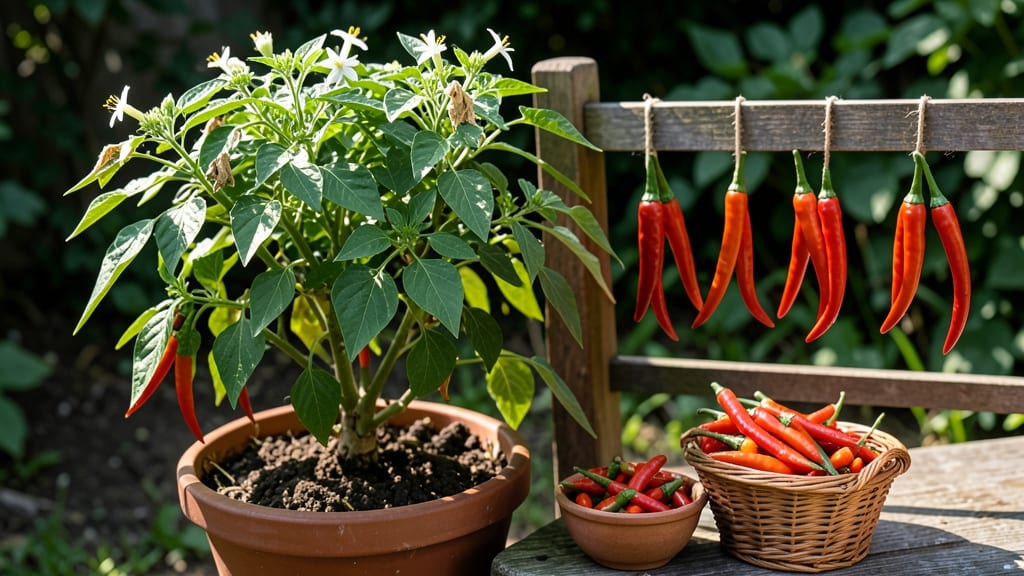
Drying cayenne peppers naturally preserves their fiery kick without expensive equipment. 🌶️ The key is patience—harvesting at the right stage and letting them dry slowly in the sun or air. I’ve perfected this method after years of turning fresh peppers into vibrant flakes and powders that last for months.
Start with fully ripe, firm peppers (red or orange) and avoid any with soft spots. You’ll need a clean, dry space, string or mesh screens, and a warm, well-ventilated area. Sun-drying works best in dry climates, while air-drying indoors takes longer but keeps peppers intact.
Once fully dried (about 2-4 weeks), the peppers will crumble easily into flakes or grind into powder. Store them in airtight containers away from light to keep their heat and flavor locked in for up to a year.
This method works for whole peppers, flakes, or powder—perfect for homemade hot sauces, seasoning blends, or spicy snacks. Let’s get those peppers drying!
📚 In This Guide
- What you need
- Instructions
- Tips and common mistakes
- Wrapping up and next steps
What you need
- ● Fresh cayenne peppers: 1–2 lbs (450–900g), ideally ripe and firm (avoid soft or wrinkled ones).
- ● Clean kitchen twine or cotton string: 1–2 yards (0.9–1.8m), about 12–18 inches (30–45cm) per pepper.
- ● Wooden skewers, clothespins, or mesh drying bags: Choose one method for hanging (skewers work well for bundles).
- ● Sharp knife or pruning shears: For trimming stems (sterilize with rubbing alcohol if reusing).
- ● Paper towels or clean kitchen towel: To pat peppers dry before hanging.
- ● Sunny, dry location: A well-ventilated spot with 6+ hours of direct sunlight (e.g., balcony, porch, or greenhouse).
- ○ Optional airflow tools: Small fan (for indoor drying in humid climates).
- ● Dehumidifier (if humidity exceeds 60%).
- ● Food-grade silica gel packets: Place in a sealed container with dried peppers to absorb moisture.
- ● Air-tight glass jars or vacuum-sealed bags: For long-term storage (1–2 quart jars per batch).
- ● Labeling supplies: Masking tape + marker to note drying date (peppers last 6–12 months).
- ○ Gloves (optional): If your hands are sensitive to capsaicin!
Step-by-step instructions for drying cayenne peppers naturally
Here's how I dry cayennes perfectly—no fancy equipment needed, just sun, air, and patience.
🌱 Step 1: Harvest and Prep Peppers for Drying
Pick cayennes when they're fully ripe but still firm—bright red and deep flavor. I snip stems with clean scissors to avoid bruising. Rinse gently if dirty, then pat completely dry with a kitchen towel. Any moisture left on the peppers will cause mold during drying.
Leave whole or slice lengthwise into ¼-inch strips for faster drying. I prefer whole for flakes, strips for powder. Arrange peppers on a clean, dry surface to air out for 10-15 minutes before moving to the drying stage. This step prevents soggy spots that ruin batches.
☀️ Step 2: Choose Your Drying Method
For sun drying, pick a hot, dry day with temps above 85°F and no humidity forecast. Spread peppers on a clean wire rack or mesh screen in full sun, spaced ½ inch apart so air circulates. I use a baking sheet with holes punched in it for easy transport.
For air drying, hang peppers in small bundles with twine through stems in a well-ventilated, dark, dry spot (like a pantry). This takes 2-3 weeks but preserves more color. Sun drying works faster (3-5 days) but requires consistent weather. Watch for clouds—if rain threatens, move indoors immediately.
💧 Step 3: Monitor and Rotate Daily
Check peppers every 2-3 hours during sun drying. They're ready when leathery, shriveled, and easily crumble between fingers. Twist a pepper—if it snaps cleanly, it's done. If any stay flexible, leave them out another day.
Rotate peppers every few hours for even drying. The side facing the sun first will dry faster. I use a wooden skewer to test doneness—poke a pepper gently. If it resists, it needs more time. Overdrying turns peppers brittle and bitter.
✂️ Step 4: Store Properly for Maximum Heat
Once fully dried, let peppers cool completely before storing. I crush them lightly in a clean mortar and pestle for flakes or grind into powder in a spice grinder. Store in airtight containers (glass jars work best) away from light and heat.
Label with the date—properly dried cayennes keep for up to 1 year if moisture-free. Add a silica gel packet to the jar if your kitchen stays humid. The deeper the color and stronger the aroma, the more potent your dried peppers will be.
⏰ Step 5: Test and Use Your Homemade Cayenne
Before using, taste a pinch—well-dried cayennes should pack serious heat without moisture. I start with ¼ teaspoon in recipes to avoid overpowering. For flakes, sprinkle directly into oils or sauces. For powder, mix into marinades or rubs.
Here's the thing—homemade cayenne tastes nothing like store-bought. The flavor is deeper, the heat more complex. Use it like you would commercial cayenne, but double the amount if you want extra kick. Store-bought blends often contain fillers; yours is pure heat.
Tips & tricks for perfect sun-dried cayenne peppers
Real talk: The difference between vibrant, flavorful dried cayennes and sad, moldy peppers often comes down to these small details.
Selection Matters: Choose cayennes that are fully ripe but still firm—they should be bright red and deep in flavor. Avoid peppers that are soft or have any signs of bruising, as these will spoil faster during drying. I've learned this the hard way after ruining three batches with underripe peppers that turned mushy mid-process.
Prep is Everything: After rinsing, pat the peppers completely dry with a kitchen towel—no moisture should remain. Any lingering dampness will cause mold during the drying process. Arrange them on a clean surface for that 10-15 minute air-out session before drying. This step prevents soggy spots that ruin entire batches.
Weather Watch: For sun drying, temperatures above 85°F are non-negotiable. Check the forecast for hot, dry days with no humidity. If rain threatens, move your drying setup indoors immediately. I once lost an entire harvest because I ignored a sudden weather change—don't make my mistake!
Storage Wisdom: Once dried, let peppers cool completely before storing. I crush them lightly with a mortar and pestle for flakes or grind into powder. Store in airtight glass jars away from light and heat. Add a silica gel packet if your kitchen stays humid—this keeps them potent for up to a year.
Pro Tips for Dry Cayenne Peppers Naturally
- Real talk: The difference between vibrant, flavorful dried cayennes and sad, moldy peppers often comes down to these ...
- Selection Matters: Choose cayennes that are fully ripe but still firm—they should be bright red and deep in flavor. A...
- Prep is Everything: After rinsing, pat the peppers completely dry with a kitchen towel—no moisture should remain. Any...
Frequently asked questions
Got questions about drying cayenne peppers the natural way? You’re not alone! Here are some of the most common queries—and their straightforward answers—to help you master the sun-drying process like a pro.
How long does it take to dry cayenne peppers in the sun?
Drying time depends on humidity and temperature, but typically, cayenne peppers take 3–7 days to dry completely. In hot, dry climates (80°F+), they’ll dry in 3–4 days. If it’s cooler or damp, extend drying to 5–7 days. Check for readiness by testing a pepper—it should snap when bent, not bend.
Can I dry cayenne peppers indoors without a dehydrator?
If outdoor drying isn’t an option, use a well-ventilated area like a pantry, closet, or even a screened-in porch. Place peppers on a rack or string them up with twine. A small fan can speed up drying by circulating air. Just avoid damp spaces—moisture is the enemy!
What if my cayenne peppers get moldy before drying?
Mold is a sign of excess humidity or poor airflow. If you spot mold, discard the affected peppers immediately. To prevent it, harvest peppers when fully ripe but still firm, avoid washing them (just wipe off debris), and ensure your drying setup is clean and dry. If humidity is high, try drying indoors or in a dehydrator.
How do I store dried cayenne peppers long-term?
Once fully dried, store cayenne peppers in airtight containers like glass jars or vacuum-sealed bags. Keep them in a cool, dark place (like a pantry or root cellar) where they’ll last 6–12 months. For extra shelf life, freeze them for up to 2 years. Label your containers with the date to track freshness!
Can I dry cayenne peppers with the stems still attached?
Yes! Leaving the stems on makes hanging them easier and speeds up drying by providing a natural drip point for moisture. However, if you prefer, you can remove the stems and tie the peppers into small bundles with twine. Just ensure they’re spaced out for even airflow. Either way, stems can be trimmed off after drying.
Wrapping up and next steps
Drying cayenne peppers naturally is a rewarding way to preserve their bold flavor and fiery heat for months—without needing fancy equipment! Whether you opt for sun-drying, air-drying, or oven-drying, the key is patience and proper airflow.
With these simple methods, you’ll unlock a pantry staple perfect for spicing up dishes year-round.
Now that you’re ready to harvest your sun-kissed peppers, why not share your success? Try making a batch of homemade hot sauce, seasoning rubs, or even fermented pepper flakes. Your kitchen—and taste buds—will thank you! 🌶️✨