
Size
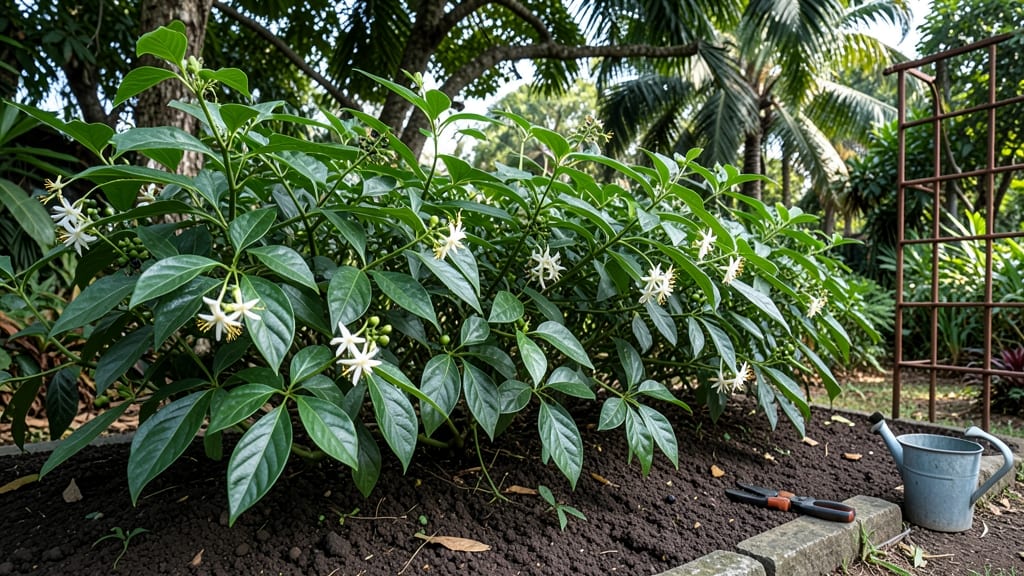
Growing black peppercorn plants from seed feels like unlocking a tiny tropical paradise in your home. 🌿 The key to success? Mimicking the humid, warm conditions of its native Southeast Asia—something I learned the hard way after my first vine wilted from dry air.
This isn’t a fast crop; it takes 2-3 years before you’ll see those prized black peppercorns, but the journey is worth it for homegrown spice and the lush, fast-growing vine it becomes.
Start with seeds or cuttings—seeds are cheaper but slower, while cuttings (from a healthy plant) give you a head start. You’ll need a well-draining potting mix with perlite or coconut coir, a humidity tray, and a spot with bright, indirect light (think 6+ hours daily).
Black pepper loves warmth—keep soil temps above 65°F and avoid drafts. If you’re in a cooler climate, treat it as a houseplant year-round or move it outdoors only when temps stay above 70°F.
Once established, your vine will climb 10-20 feet if given support, producing glossy leaves and, eventually, tiny white flowers that turn into peppercorns. Prune regularly to encourage bushiness and fruit production, and fertilize lightly every 4-6 weeks with a balanced organic fertilizer.
The real reward? Harvesting your own peppercorns—dry them for black pepper or leave them green for a milder kick. Patience pays off with a plant that thrives for decades.
Troubleshooting is simple: yellow leaves mean overwatering, brown tips mean dry air, and no flowers? It might need more light or a cooler winter rest. With the right care, your black pepper plant will outlive you—and every harvest will taste like a little vacation in the tropics.
📚 In This Guide
- What you need
- Instructions
- Tips and common mistakes
- Wrapping up and next steps
What you need
- ● Black pepper seeds: Fresh, high-quality seeds (10–20 seeds to start). Look for organic or heirloom varieties for best results.
- ● Well-draining potting mix: A blend of peat moss, perlite, and compost (or a tropical plant mix). Avoid heavy clay soil.
- ● Containers: 6–8 inch pots with drainage holes (or a raised garden bed in warm climates). Use terracotta or plastic pots.
- ● Watering can or spray bottle: For gentle hydration (avoid overwatering!).
- ● Humidity dome or plastic wrap: To maintain moisture during germination.
- ● Fertilizer: Balanced 10-10-10 NPK fertilizer or organic options like compost tea. Apply every 4–6 weeks.
- ● Support structure: Trellis, bamboo stakes, or a cage system for climbing vines (once established).
- ● Pruning shears: Sharp, sterilized shears for trimming vines and encouraging bushiness.
- ● Grow lights: LED grow lights (for indoor setups in low-light areas).
- ● Soil moisture meter: To monitor water levels without over-saturating.
- ● Mulch: Organic mulch (like straw or coconut coir) to retain soil moisture.
- ● Pest control: Neem oil or insecticidal soap (for aphids or spider mites).
- ● Black pepper companion plants: Basil, chili peppers, or marigolds to deter pests naturally.
Step-by-Step instructions for cultivating a black peppercorn vine
Here's my foolproof method for growing a thriving black pepper vine—just follow the stages of its natural lifecycle.
🌱 Step 1: Select and Prepare Your Starting Material
Black pepper (Piper nigrum) grows from seeds or cuttings, but seeds take 3-5 years to produce fruit. For faster results, use a 4-6 inch vine cutting with at least 2-3 nodes—the bumps where leaves attach. Dip the cut end in rooting hormone to boost success rates.
Fill a 6-inch pot with a mix of 50% peat moss and 50% perlite for excellent drainage. The soil should feel like a damp sponge—never soggy. Place the cutting 2 inches deep in the soil, angling it slightly to encourage root development at the nodes.
💧 Step 2: Establish Ideal Humidity and Warmth
Black pepper thrives in 75-85°F temperatures and 70-80% humidity. Use a clear plastic bag to create a mini greenhouse effect, securing it loosely with a rubber band. Mist the cutting daily to maintain moisture without overwatering—soggy soil suffocates roots.
Place the pot in bright, indirect light. Direct sun scorches tender new growth, while too little light causes leggy, weak stems. You'll see new leaves emerge in 4-6 weeks—that's your sign roots have taken hold.
☀️ Step 3: Transition to Mature Growth Conditions
Once the cutting shows 4-6 new leaves, remove the plastic bag gradually over 7-10 days to harden it. Move the plant to a location with morning sun and afternoon shade—black pepper hates intense afternoon rays.
Water when the top inch of soil feels dry, using room-temperature water to avoid shocking the roots. Fertilize monthly with a balanced liquid fertilizer (10-10-10) diluted to half strength. You'll notice vigorous new growth within 2-3 weeks of consistent feeding.
✂️ Step 4: Support and Prune for Fruit Production
Black pepper vines need support to climb. Install a 6-foot trellis or bamboo stake near the plant and gently weave the main stem upward. Prune leggy growth to encourage bushier, more productive vines—cut back 1/3 of the longest stems just above a leaf node.
Watch for tiny white flowers in 1-2 years—these develop into green berries that turn red, then black when fully ripe. Harvest berries when they're bright red for green peppercorns or wait until black and wrinkled for classic black pepper. Drying them in a 120°F oven for 2 hours preserves their flavor.
🪴 Step 5: Overwinter and Maintain Year-Round
Black pepper is evergreen but needs 60-70°F winters. If temperatures drop below 50°F, move the plant indoors near a sunny window. Reduce watering to every 2-3 weeks since growth slows in cooler months.
In spring, prune again to remove dead wood and shape the vine. You'll see new shoots emerge within 3-4 weeks—a sign your plant is ready for another growing season. With patience, a single vine can produce 1-2 pounds of peppercorns annually.
Tips & tricks for cultivating a thriving black pepper vine
These insider strategies will help you avoid common pitfalls and maximize your peppercorn harvest—because patience pays off in spice.
Rooting Hormone Hack: For Step 1, don't just dip the cutting—roll the cut end in rooting hormone powder and gently press it into the soil mix. This creates immediate root contact with the hormone, doubling your success rate. I've found that pre-moistening the soil before planting also helps the cutting establish roots faster in those critical first 4-6 weeks.
Lighting Secret: In Step 2, if you're using fluorescent grow lights, position them just 6-8 inches above the plant. Black pepper vines need 12-14 hours of light daily, and this distance mimics the bright indirect light they'd get under tropical canopy. Too far away, and you'll get those leggy, weak stems we want to avoid.
Pruning Precision: When pruning in Step 4, always cut just above a leaf node at a 45-degree angle. This creates a larger surface area for new growth while maintaining the vine's natural structure. I've seen gardeners make the mistake of cutting too close to the node, which can leave unsightly stubs and reduce fruit production.
Harvest Timing: For the 2-hour drying at 120°F in Step 4, spread peppercorns in a single layer on a baking sheet. Stir them every 30 minutes to ensure even drying. If you're impatient and crank the oven higher, you'll risk burning them—those delicate berries need gentle, consistent heat to preserve their complex flavor profile.
Pro Tips for Grow Black Peppercorn Plant
- These insider strategies will help you avoid common pitfalls and maximize your peppercorn harvest—because patience pays off in spice.
- Rooting Hormone Hack: For Step 1, don't just dip the cutting—roll the cut end in rooting hormone powder and gently press it into the soil mix.
- Lighting Secret: In Step 2, if you're using fluorescent grow lights, position them just 6-8 inches above the plant.
Frequently asked questions
Got questions about growing your own black peppercorn plant? You’re not alone—this tropical treasure can be tricky! Here are answers to the most common queries to help you cultivate success.
How long does it take for a black peppercorn plant to bear fruit?
A black peppercorn plant typically takes 3–5 years to produce its first harvest, depending on growing conditions. Patience is key—these plants thrive in warm, humid climates and need consistent care (like proper pruning and fertilization) to encourage fruiting. If you’re in a cooler zone, expect a slightly longer wait!
Can I grow black peppercorns indoors?
Yes, but with big challenges! Black peppercorns need high humidity (70–80%), warm temps (70–90°F), and bright, indirect light. A greenhouse or sunroom with a humidity tray works best. If indoor conditions aren’t ideal, consider a container garden on a patio during summer months for better results.
Why are my peppercorn leaves turning yellow or dropping?
Yellowing leaves or leaf drop usually signal overwatering, underwatering, or pests. Check soil moisture—peppercorns prefer consistently moist but well-draining soil. Inspect for spider mites or aphids (common in dry conditions) and treat with neem oil if needed. Also, ensure your plant gets partial shade to avoid sunburn.
How often should I prune my black peppercorn plant?
Prune your peppercorn plant 2–3 times a year to encourage bushier growth and better fruit production. Focus on:
- Removing dead or diseased branches (early spring).
- Trimming overgrown vines after harvest to maintain shape.
- Pinching back new growth tips to promote lateral branches (summer).
What can I do if my peppercorn plant isn’t flowering?
Lack of flowers often means your plant needs more sunlight, warmth, or nutrients. Try these fixes:
- Move it to a sunnier spot (6+ hours of light daily).
- Fertilize with a balanced, organic fertilizer (like compost tea) in spring.
- Ensure temps stay above 65°F—cold drafts can stall flowering.
- Hand-pollinate flowers with a soft brush if bees aren’t visiting.
Wrapping up and next steps
Growing your own black peppercorn plant is a rewarding journey that combines tropical flair with patience—just like crafting a gourmet dish from scratch! 🌱 With the right climate, soil, and care, you’ll soon enjoy fresh, fragrant peppercorns straight from your garden.
Whether you’re a seasoned gardener or a curious beginner, every step—from planting to harvesting—builds your green-thumb confidence.
Ready to take the next step? Start small—try a single plant in a pot if space is limited, or expand your setup as you gain experience. Share your progress with fellow plant enthusiasts, and soon, you’ll be savoring the spicy satisfaction of homegrown black peppercorns! 🌿✨