
How To
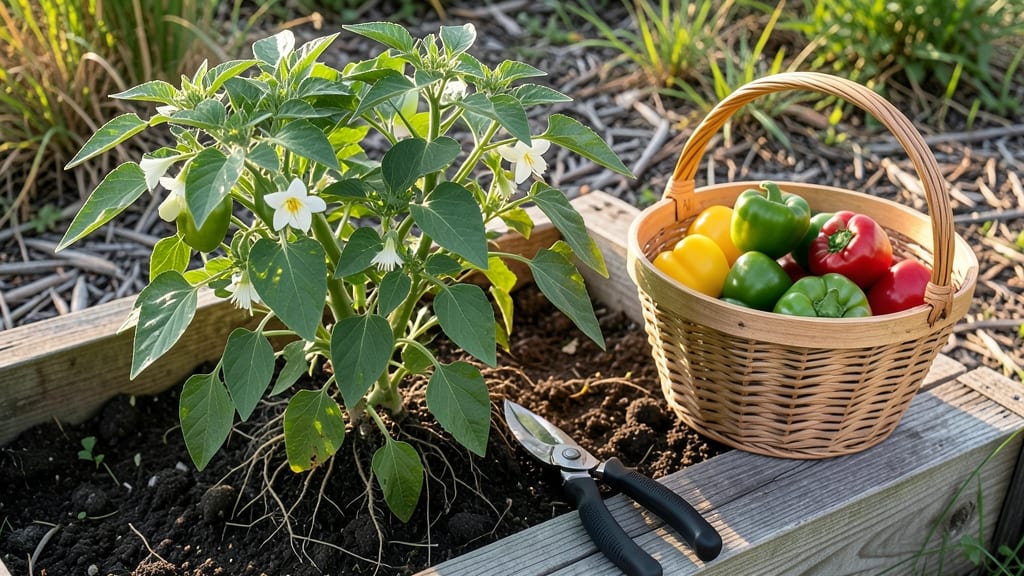
Harvesting peppers the right way means knowing exactly when to pick for the best flavor and yield—because timing and technique make all the difference.
Picture this: You’ve spent months tending to your 🌶️ plants, only to end up with bitter-tasting peppers or fewer harvests than expected. That happens when you miss the perfect moment to pluck them. But here’s the good news—with the right approach, you can maximize both taste and productivity every season.
Below, I’ll walk you through the exact signs to look for (color, size, and firmness), the best time of day to harvest, and how to use the right tools for clean cuts that won’t damage your plants.
You’ll also discover how often to harvest for continuous production, plus storage tips to keep your peppers fresh for weeks—whether you’re freezing, drying, or adding them to meals.
When and how to pick peppers for best flavor and yield
Timing your pepper harvest is everything—pick too early, and you’ll miss out on sweetness; wait too long, and peppers can become tough or even rot on the vine. The key lies in understanding ripeness stages, color cues, and the best harvesting window of the day.
For example, bell peppers develop their signature sweetness only when fully colored, while hot peppers like jalapeños can be harvested at different stages for varying heat levels.
Most gardeners make the mistake of assuming all peppers should be picked when fully ripe. However, some varieties—like green bell peppers—are best harvested before turning red for maximum crispness. Others, such as red cherry peppers, should wait until they’re deep red for peak flavor.
Even the time of day matters: morning harvests yield fresher peppers because they’re cooler and firmer, reducing bruising.
| Pepper Type | Ripeness Stage | Color Cues | Size Range | Best Time to Pick |
|---|---|---|---|---|
| Bell Peppers | Green (immature) | Bright green | 3-4 inches | Morning, firm skin |
| Bell Peppers | Red (mature) | Deep red | 4-5 inches | Morning, glossy skin |
| Jalapeños | Green (mild) | Dark green | 2-3 inches | Late morning, firm |
| Jalapeños | Red (hotter) | Bright red | 2-3 inches | Morning, glossy |
| Cherry Peppers | Yellow/Red | Vibrant yellow/red | 1-2 inches | Morning, firm |
To determine if a pepper is truly ready, press your thumb gently against its skin. A ripe pepper will feel firm and slightly waxy, while an underripe one will dent easily. Also, check the stem attachment: if it snaps cleanly when bent, it’s ready.
Overripe peppers often develop soft spots or wrinkled skin, signaling they’ve passed their prime. For hot peppers, taste one if possible—some varieties like habaneros are best picked when they reach their peak heat level.
Using the right harvesting tools makes all the difference. A sharp pair of pruning shears or clean scissors ensures clean cuts without damaging the plant. Avoid pulling peppers by hand, as this can tear stems and invite disease.
Instead, cut about 1/4 inch above the pepper’s stem to encourage new growth. For large pepper plants, consider wearing gardening gloves to protect your hands from thorns or sticky sap.
Morning is the ideal harvest time because peppers are cooler and less likely to bruise. If you must harvest in the evening, do so at least 4-6 hours before sunset to allow peppers to dry slightly and reduce rot risk.
Never harvest after rain, as wet peppers are prone to cracking or disease. Pro tip: Use a small mesh bag to collect peppers to prevent bruising during transport from the garden to your kitchen.
Some gardeners wonder if they should harvest all peppers at once. The answer depends on your goals: leaving a few peppers on the plant can encourage more fruit production, but overloading the plant reduces yield quality.
For bell peppers, aim to pick every 5-7 days during peak season, while hot peppers can often be left longer since they mature faster. Always prioritize harvesting the largest, most mature peppers first to maximize your plant’s productivity.
Did you know that color changes in peppers signal flavor shifts? For instance, green bell peppers turn sweeter as they ripen to red, but their texture becomes slightly softer. Hot peppers like jalapeños develop more heat when left on the vine to turn red. If
Step-by-Step pepper harvesting techniques to avoid common mistakes
Now that you know when to harvest, let’s focus on how to do it properly to avoid damaging your plants and wasting your hard work. The right technique ensures clean cuts, minimal stress on the plant, and maximum flavor in your peppers.
Many gardeners accidentally pull peppers off by hand, which can tear stems and leave wounds that invite disease. Instead, follow these proven methods to harvest like a pro.
One of the most common mistakes is cutting too close to the stem. Always leave a 1/4-inch gap above the pepper’s attachment point. This small detail encourages new growth and prevents rot.
For large pepper varieties, like banana peppers or bell peppers, use a sharp pair of pruning shears or clean scissors. For smaller peppers, like cherry peppers, your fingers can work—just pinch gently at the stem to avoid bruising the fruit.
- 🌱 Step 1: Choose the Right Tools
Use sharp pruning shears or clean scissors for clean cuts. Avoid dull tools that crush stems. - 🌿 Step 2: Inspect the Pepper
Check for firmness, color, and stem attachment. Press gently—ripe peppers won’t dent. - ✂️ Step 3: Cut at the Right Angle
Hold the pepper’s stem at a 45-degree angle and cut about 1/4 inch above the pepper. - 💧 Step 4: Harvest in the Morning
Pick peppers when they’re cool and dry (before 10 AM) to reduce bruising and rot risk. - 🌶️ Step 5: Handle with Care
Place peppers in a mesh bag or basket to avoid crushing during transport. - 🌡️ Step 6: Store Properly
Keep peppers in a cool, dry place (50-55°F) for up to 2 weeks, or refrigerate for longer storage.
If you’re dealing with thorny pepper plants, like some hot pepper varieties, wear gardening gloves to protect your hands. Thorns can make harvesting painful, but gloves also shield you from sticky sap, which can irritate skin.
For container-grown peppers, tilt the pot gently to access peppers on the underside without bending over awkwardly.
After harvesting, don’t just toss peppers into a pile—they bruise easily. Instead, place them in a single layer in a mesh bag or cardboard box. This prevents crushing and allows air circulation, keeping them fresh longer.
If you’re harvesting a large batch, sort peppers by type and ripeness right away. This makes it easier to use or store them later without mixing flavors or textures.
Preserving freshness starts immediately after harvest. For short-term storage, keep peppers in the crispier drawer of your fridge, where they’ll stay fresh for 1-2 weeks. For long-term storage, consider freezing, drying, or pickling.
Freezing is easiest—simply wash, dry, and blanch peppers for 2-3 minutes before freezing in bags. Drying peppers in a dehydrator or oven (at 175°F for 4-6 hours) concentrates their flavor for later use in sauces or seasonings.
Avoid these common harvesting mistakes: pulling peppers instead of cutting, harvesting in the heat of the day, or storing peppers with moisture (like in plastic bags). Each of these can shorten shelf life or even ruin your harvest.
By following these steps, you’ll enjoy sweeter, firmer peppers and a healthier plant ready for the next harvest cycle.