
Plants
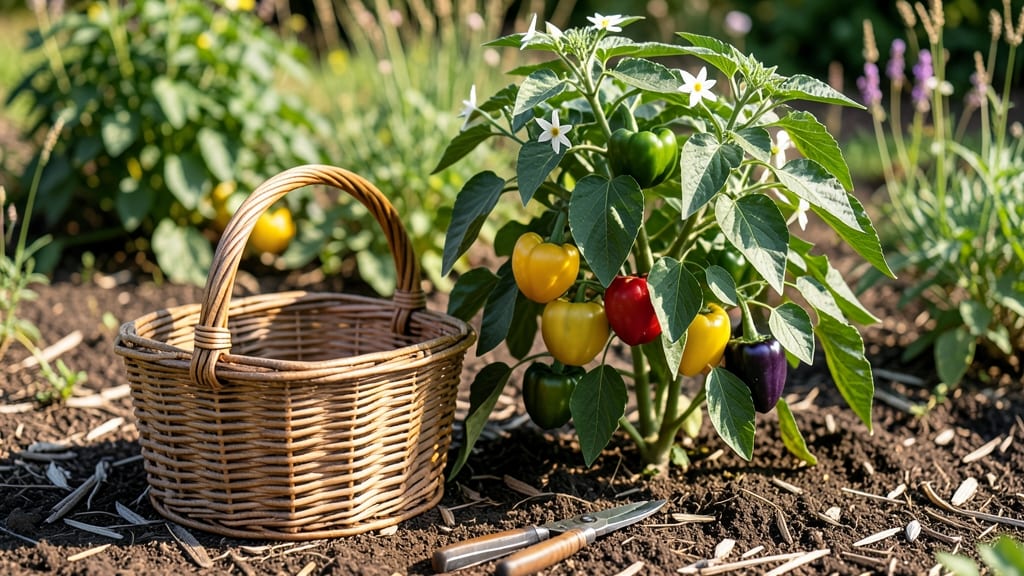
You’ll know when to pick bell peppers from plant by their color, size, and firmness—these three cues tell you whether they’re ready to harvest or still need time on the vine.
Imagine biting into a pepper that’s so sweet and crisp it makes you smile—only to find yours taste bland or mealy. That’s the difference between picking at the right moment and missing it.
The secret? Watching for deep, even color (no green near the stem) and a slight give when you press gently with your thumb.
This isn’t just about waiting for red or yellow—some varieties never change color but still pack maximum flavor when fully mature. I’ll break down the exact stages, from glossy green to vibrant red, and how climate affects timing in warmer vs. cooler zones.
By the end, you’ll harvest peppers that are juicy, flavorful, and ready for your kitchen—no more guesswork, just perfect results every time.
3 Color stages of bell pepper ripeness and when to harvest each
Bell peppers change color as they ripen, and each stage offers a unique flavor profile. Green peppers are the first to appear, followed by yellow, orange, and red varieties, with some heirlooms turning purple or brown.
Understanding these stages helps you decide when to harvest for the best taste and texture. Hybrid varieties often ripen faster than heirlooms, so timing matters!
Color isn’t the only clue—size, firmness, and glossiness also signal readiness. A fully ripe bell pepper should feel firm but yield slightly when gently pressed. Overripe peppers become soft, wrinkled, and lose their sweetness. Knowing these signs ensures you pick peppers at their peak for fresh eating or storage.
🌶️ Fun fact: Red bell peppers have 3x more vitamin C than green ones, making them a nutritional powerhouse when fully ripe!
Green bell peppers are often harvested early for cooking, but they’re not fully ripe. Heirloom varieties like 'Black Beauty' or 'Purple Beauty' take longer to ripen but develop deeper flavors. If you’re growing hybrid varieties like 'California Wonder,' expect faster ripening—typically within 70-80 days.
Yellow and orange bell peppers ripen next, offering a sweeter taste than green. These stages take 10-20 extra days beyond green maturity. For example, 'Golden California Wonder' turns yellow and reaches peak flavor around 85 days after transplanting. Harvest them when the color is even and vibrant.
Red bell peppers are the most flavorful but require the most time—often 90-120 days to ripen. Varieties like 'Red Knight' or 'Apache' develop a deep red hue and a rich, sweet taste.
If your climate is short on growing days, consider container gardening to extend the season or start seeds indoors.
Purple bell peppers, like 'Purple Beauty,' are rare but stunning. They take the longest to ripen, sometimes up to 130 days, and have a unique earthy, slightly spicy flavor.
These are best for gardeners in longer growing seasons (USDA Zones 8-10) or those using black plastic mulch to warm the soil.
🌱 Pro tip: If you live in a cooler climate, harvest green peppers first for cooking. Let a few ripen fully on the plant by using row covers or moving containers indoors during cold snaps.
Color isn’t the only factor—weather and variety play a role. For instance, hot summers speed up ripening, while cloudy weather can delay color changes. Always check for firmness and glossiness alongside color to ensure the best harvest.
✂️ To harvest, use clean pruners or twist gently at the stem. Avoid pulling peppers—this can damage the plant. Leave a small stem attached to prevent rot during storage. Store ripe peppers in the fridge for up to 2
How to check ripeness beyond color: 5 key signs for perfect harvest
Color isn't the only way to judge bell pepper ripeness—sometimes peppers never change hue! To ensure peak flavor, I rely on size, firmness, and even a simple sound test.
These signs help me harvest at the perfect moment, whether my peppers stay green or turn vibrant red. Let's explore how to assess readiness beyond just looking at color.
First, check the size of the pepper. Mature bell peppers typically reach 3-4 inches in length and 2-3 inches in width. If your pepper is still growing rapidly, it's not ready yet.
For smaller varieties like mini bell peppers, aim for about 1.5-2 inches in length. Size gives you a clear baseline before diving into other tests.
- 📏 Full Size Reached – Peppers stop growing and maintain consistent dimensions for 3+ days.
- 🤏 Firm Yet Slightly Yielding – Skin gives slightly when pressed with a fingernail (not rock-hard or mushy).
- 🌱 Stem Separation – Gently twist the pepper; if it separates cleanly from the plant, it's ready.
- 🔊 Sound Test – Tap the pepper gently; a hollow "thud" means it's ripe, while a dull sound indicates underripeness.
- 🌡️ Consistent Temperature – Peppers in cooler climates may ripen slower; check for deep color and firmness.
Next, test the firmness of the pepper. A ripe bell pepper should feel firm but slightly yielding when pressed with your fingernail. If it's rock-hard, it's underripe.
If it feels mushy or soft, it's overripe. For green bell peppers, this test is especially critical since they often stay green even when fully mature.
Don't overlook the stem separation test. Gently twist the pepper near the stem—if it separates cleanly from the plant with minimal resistance, it's ready to harvest.
This method works for all colors, including yellow, orange, and purple varieties. If the stem resists, wait a few days and test again.
For a fun trick, try the sound test. Tap the pepper gently with your knuckle—ripe peppers produce a hollow "thud", while underripe ones sound dull. This works surprisingly well, especially for green peppers that may never turn color. It's a great backup when other signs are unclear.
Finally, remember that some peppers never change color. If your green bell peppers stay green but pass the other tests, they're still ripe! Harvest them at full size and firmness for the best flavor.
Avoid leaving peppers on the plant too long, as they can become mealy or develop cracks, ruining their taste.