
Picking
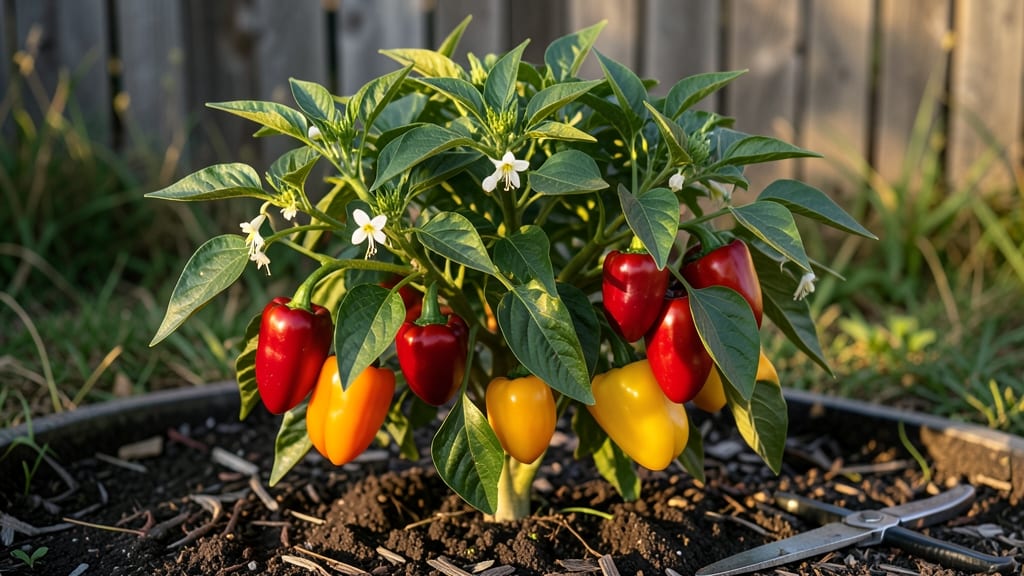
The Scoville heat levels of ornamental peppers vary widely from 0 to 10,000 SHU, with milder varieties like 'Pepperoncini' scoring near 0 and hotter ones like 'Black Pearl' reaching up to 10,000 SHU—while color often indicates heat, some exceptions exist. Always verify labels before using them in cooking or gardening.
Understanding the Scoville heat scale for ornamental peppers helps you choose the right variety for your needs. 🌶️ The heat comes from capsaicin, a compound that builds as peppers ripen—green peppers typically have less heat than red or yellow ones, though there are always exceptions like 'Carolina Wonder,' which stays mild despite its red color.
For gardeners, this means selecting the right pepper for your tolerance level, whether you're growing them for decoration, cooking, or spice.
Color isn't the only factor—ripeness and growing conditions also play a role. For example, peppers grown in cooler climates may develop less heat than those in warmer regions.
If you're new to growing ornamental peppers, start with milder varieties like 'Lemon Drop' or 'Jalapeño Mini,' which are perfect for pickling or stuffing. Always wear gloves when handling hotter varieties to avoid skin irritation, and never touch your eyes afterward.
💡 In This Article
- How Ornamental Pepper Color Determines Scoville Heat
- Best Low-Heat Ornamental Peppers for Gardens and Cooking
How ornamental pepper color determines Scoville heat
The color of ornamental peppers acts like a rough heat indicator because capsaicin—the compound responsible for spiciness—develops as peppers mature. Green peppers are typically unripe, containing 20-50% less capsaicin than their fully ripened counterparts.
For example, a green jalapeño averages around 2,500-8,000 SHU, while a red one jumps to 8,000-15,000 SHU. This happens because capsaicin production ramps up as chlorophyll breaks down and pigments like lycopene (red) or lutein (yellow) form.
However, color isn't a perfect predictor—some varieties defy expectations. Take 'Carolina Wonder,' a red pepper that maxes out at 500-1,000 SHU, making it milder than many green peppers.
This occurs because certain genetic pathways suppress capsaicin synthesis despite pigment changes. 🌶️ The science gets even more interesting with 'Black Pearl,' which starts green but turns deep purple-black when fully ripe while packing 10,000 SHU—a perfect example of how pigment doesn't always equal heat.
Pigment changes also affect capsaicin distribution. Red peppers often concentrate capsaicin in their membranes, creating a more intense burn when sliced. Yellow and orange varieties sometimes have lower heat because their pigment pathways divert energy away from capsaicin production.
For gardeners, this means selecting peppers by both color and variety—never assume a red pepper is hotter than a green one without checking the specific cultivar.
Light exposure plays a hidden role too. Peppers grown in full sun develop more capsaicin than those in shade, which can alter their natural color progression and heat levels.
For instance, a 'Fish Pepper' grown in partial shade might stay green longer and remain milder (5,000 SHU) compared to its sun-grown counterpart (10,000 SHU). This environmental factor explains why some heirloom varieties show dramatic heat variations between regions.
Here's a quick reference for common color-heat patterns:
- Green: Usually mild (0-5,000 SHU) due to unripe capsaicin levels
- Yellow/Orange: Moderate (5,000-10,000 SHU) with variable heat
- Red/Purple: Often hotter (10,000+ SHU) but with exceptions like 'Carolina Wonder'
- Black/Purple-Black: Can be extremely hot (e.g., 'Black Pearl' at 10,000 SHU)
For precise heat levels, always consult seed packets or growers' notes—color alone can't guarantee safety, especially when handling peppers for culinary use. 🔥