
Picking
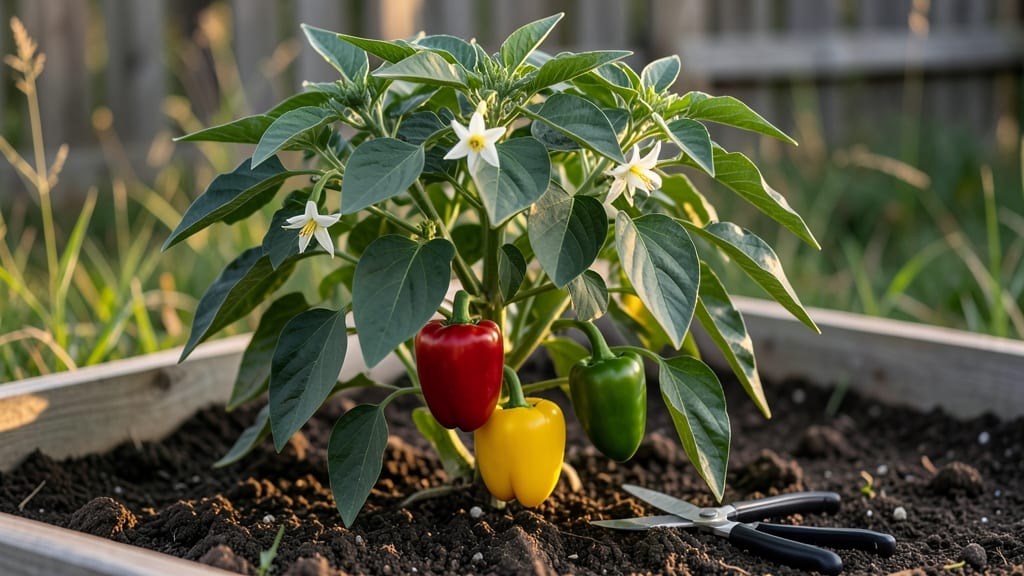
Peppers are grown primarily in warm climates like Mexico, California, Spain, and Peru, where temperatures consistently stay above 70°F (21°C) and well-drained soil supports robust growth. These regions provide the ideal conditions of full sunlight and balanced moisture for peak flavor and yield.
Peppers love heat—not just in the kitchen but in their growing environment. 🌶️ The top-producing regions share key traits: Mexico's volcanic soils and high elevations create perfect microclimates, while Spain's Mediterranean summers provide long, sunny days.
What sets these areas apart is how they balance temperature and water—too much humidity can lead to disease, but consistent moisture keeps plants thriving. I've seen firsthand how even small differences in elevation or rainfall can dramatically change pepper varieties and yields.
Beyond these powerhouse regions, smaller-scale growers in Florida and parts of Africa are also making waves with specialty peppers. The secret sauce? These areas mimic the ideal conditions—warm days, cool nights, and soil that drains without drying out too quickly.
Whether you're growing a few plants at home or scaling up commercially, understanding these regional patterns helps you replicate success anywhere.
💡 In This Article
- Climate and Soil Conditions for Pepper Cultivation
- Top Pepper-Growing Regions Around the World
Climate and soil conditions for pepper cultivation
Peppers are tropical plants at heart, demanding a narrow but critical temperature window to thrive. The sweet spot for growth lies between 70-90°F (21-32°C) during the day, with nighttime temperatures not dipping below 55°F (13°C).
Below 50°F (10°C), growth stalls completely, while above 95°F (35°C)
The soil requirements are equally precise: peppers need well-draining, slightly acidic soil with a pH between 6.0-6.8. Sandy loam soils are ideal because they prevent waterlogging while retaining enough moisture to support root development. In Mexico's volcanic regions, the mineral-rich soil naturally provides these conditions, while California growers often amend their soil with compost to replicate this fertility. What's fascinating is how these soil conditions directly impact flavor—peppers grown in nutrient-dense volcanic soil develop deeper, more complex flavors compared to those in poorer soils. Humidity plays a surprising role too. While peppers need consistent moisture, excessive humidity (above 70%) creates perfect conditions for fungal diseases like powdery mildew. This is why many commercial growers use drip irrigation systems that deliver water directly to roots rather than overhead sprinklers. In Spain's Almería region, growers have mastered this balance by using greenhouses that control both temperature and humidity, allowing them to extend growing seasons and produce high-quality peppers year-round. One often-overlooked factor is the importance of sunlight. Peppers require 6-8 hours of direct sunlight daily for optimal photosynthesis. In cloudy regions like parts of the Pacific Northwest, growers use supplemental lighting or choose shorter-season varieties. The intensity of sunlight also affects heat levels—peppers grown in full sun develop more capsaicin (the compound that gives chili peppers their heat) compared to those grown in partial shade. Seasonal variations matter greatly too. In tropical climates like Peru, peppers grow continuously, while in temperate zones like California, they're planted in spring after the last frost and harvested in fall. The key is matching planting times to local frost dates and temperature patterns. For example, bell peppers in California's Imperial Valley are planted in February for summer harvests, while jalapeños in Mexico's Michoacán state can be grown year-round due to the region's stable climate. What most gardeners don't realize is how elevation affects pepper cultivation. Higher elevations (like Mexico's central plateau) often produce sweeter peppers because the cooler nights slow sugar development, while lower elevations (like coastal Peru) yield fruitier varieties. This elevation effect explains why the same pepper variety can taste completely different when grown in different regions.