
Companion Plants
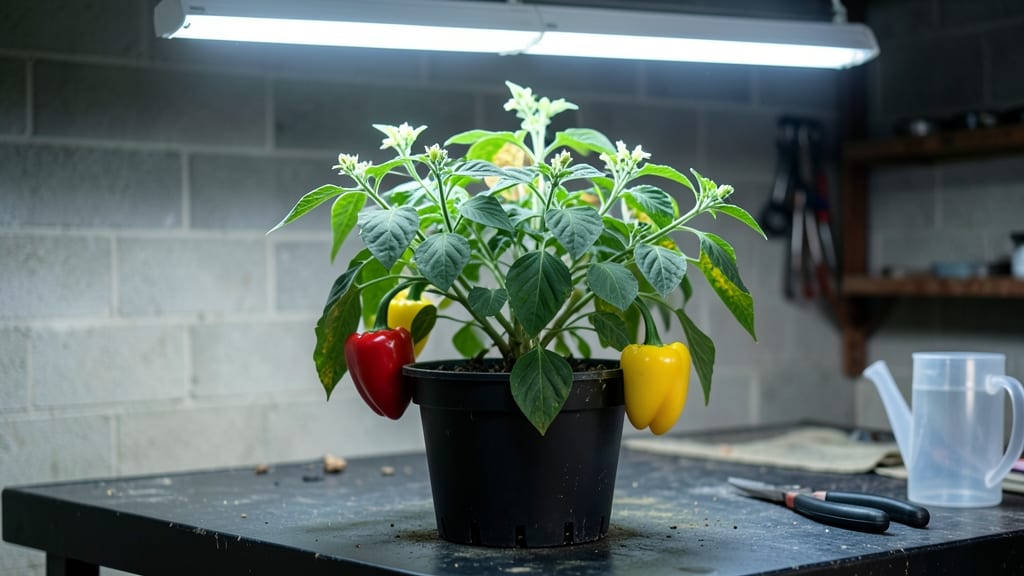
Your pepper plants can survive winter in the garage—if you control the humidity. 🌱 I’ve overwintered bell peppers, jalapeños, and habaneros this way for years, and the secret lies in balancing moisture, light, and airflow without turning the space into a swamp.
The garage’s natural insulation helps maintain steady temperatures (between 50-60°F), but the real challenge is humidity. Too much causes mold, too little stresses plants.
A simple dehumidifier or fan keeps air circulating, while a humidity tray with pebbles and water adds moisture where needed—just don’t let it turn into a soggy mess. By late winter, you’ll see new growth and flowers ready for spring.
The plants stay compact, produce earlier, and resist pests better than store-bought transplants. It’s not just survival—it’s a head start on next year’s harvest. Works for any garage with a window or grow light, even in Zone 4.
Just avoid drafts and keep an eye on those leaves—yellowing means adjust your watering or light. Here’s how to set it up right.
📚 In This Guide
- What you need
- Instructions
- Tips and common mistakes
- Wrapping up and next steps
What you need
- ● Pepper plants: Healthy, disease-free plants (1–10, depending on your harvest goals). Prune leggy growth before storing.
- ● Grow lights: Full-spectrum LED (6000K–7000K), 12–16 hours/day. Pro tip: A 24W–40W bulb per plant (or a 100W equivalent for clusters) works best.
- ● Containers: 5–10 gallon pots with drainage holes (or reusable fabric grow bags). Sterilize with 1 part bleach to 9 parts water before reuse.
- ● Potting mix: Lightweight, well-draining blend (e.g., 50% coco coir, 30% perlite, 20% compost). Avoid garden soil—it compacts and holds too much moisture.
- ● Humidity tray: Shallow tray + pebbles (or a 5-gallon bucket with a platform). Add water to keep humidity at 50–70%.
- ● Thermometer/hygrometer: Digital combo unit to monitor 50–65°F (10–18°C) temps and humidity.
- ● Garage prep: Insulated shelf or table (e.g., wooden pallet + foam board for insulation).
- ● Fan (small USB-powered or battery-operated) for airflow.
- ● Plastic sheeting or clear tarp (to create a mini greenhouse if needed).
- ● Root stimulator: Add 1 tsp mycorrhizal fungi to soil to boost root health.
- ● Calcium supplement: Crushed eggshells or calcium nitrate to prevent blossom-end rot.
- ● Automatic timer: For grow lights (saves time and ensures consistency!).
- ● Solar-powered vent: If your garage gets too warm, a small exhaust fan can help.
- ● Journal: Track temps, humidity, and plant progress for future reference!
Step-by-step instructions for overwintering pepper plants in your garage
Here's how I keep my peppers thriving through winter—no fancy equipment, just smart adjustments.
🪴 Step 1: Prepare the Garage Space for Winter Conditions
Start by cleaning your garage thoroughly—pepper plants hate lingering pests or fungal spores. Sweep floors, wipe shelves, and remove debris. I position my plants on a sturdy table near a window that gets at least 6 hours of indirect light daily. If natural light is weak, add a grow light on a timer for 12-14 hours/day.
Keep the garage door closed to maintain stable temperatures. Aim for 55-65°F—colder than that and growth slows; warmer and humidity becomes an issue. A small space heater on the lowest setting helps if your garage runs chilly. I place a thermometer near the plants to monitor conditions daily.
💧 Step 2: Adjust Watering and Humidity for Winter Survival
Cut back on watering immediately—pepper roots absorb moisture slower in cool conditions. Water only when the top 2 inches of soil feel dry, usually every 7-10 days. Overwatering leads to root rot in the damp garage environment. I use a moisture meter to check soil levels, especially in the cooler months when evaporation slows.
Humidity is the real challenge. Place a small fan on low near the plants to improve air circulation and prevent fungal issues. If leaves start curling or yellowing, increase airflow slightly. For extra protection, I mist plants lightly every 3-4 days with room-temperature water—just enough to dampen the leaves, not soak them.
☀️ Step 3: Prune and Fertilize for Dormancy Prep
About 6 weeks before winter, prune your peppers back by one-third to reduce stress. Remove any yellow or diseased leaves immediately—don't leave them on the plant. I focus on cutting back leggy growth and opening up the center for better air flow. This encourages new, stronger growth before dormancy sets in.
Switch to a low-nitrogen fertilizer (like 5-10-10) every 4-6 weeks to support root health without promoting leafy growth. I dilute it to half-strength to avoid burning roots in the cooler garage environment. Stop fertilizing completely by mid-November to let the plants rest.
⏰ Step 4: Monitor and Adjust Through Winter Months
Check plants weekly for pests like spider mites or aphids—garage conditions can make them thrive. Wipe leaves gently with a damp cloth if you spot any. I also rotate plants quarter-turn weekly so they grow evenly toward the light source. If you notice new growth in winter, it's a sign the plants are still active and need slightly more light or warmth.
By late February, start prepping for spring. Increase watering gradually and move plants closer to any available light. If you're using a grow light, extend the timer to 14-16 hours/day to signal the plants it's time to wake up. This gradual transition prevents shock and gives you a head start on the growing season.
Tips & tricks for overwintering pepper plants
Keeping your peppers alive through winter takes patience, but these small tweaks make all the difference.
Lighting Strategy: If your garage window only gets 6 hours of light, supplement with a grow light on a timer for 12-14 hours daily. Position the light 6-12 inches above the plants—closer for cooler temps, farther for warmth. I use a simple LED bulb on a plug-in timer to avoid extra wiring hassles. The key is consistency; peppers need that light cycle to stay healthy during dormancy.
Temperature Stability: That 55-65°F range is non-negotiable for winter survival. If your garage dips below 55°F at night, move plants closer to the space heater (but not directly in front—just enough to maintain that lower range). I've seen peppers slow down completely below 50°F, so monitoring with a thermometer is worth the small investment. A sudden cold snap can set them back for weeks.
Humidity Hack: The fan trick works wonders for circulation, but if your garage feels like a swamp, add a small dehumidifier near the plants. Aim for 40-50% humidity—any higher and fungal issues like powdery mildew become a real threat. I place a hygrometer near my plants to track levels, especially when it rains outside and damp air seeps in through small gaps.
Pest Prevention: Spider mites love garage environments, so I do weekly inspections with a magnifying glass. At the first sign of webbing or tiny moving dots on leaves, I wipe them down with a damp cloth dipped in soapy water. For stubborn infestations, I've had success with neem oil spray (1 tsp per quart of water), but always test on a small leaf first to check for sensitivity.
Pro Tips for Overwinter Pepper Plants In Garage
- Keeping your peppers alive through winter takes patience, but these small tweaks make all the difference.
- Lighting Strategy: If your garage window only gets 6 hours of light, supplement with a grow light on a timer for 12-14 hours daily.
- Temperature Stability: That 55-65°F range is non-negotiable for winter survival.
Frequently asked questions
When is the best time to bring pepper plants indoors for overwintering?
Start moving peppers indoors before the first frost—typically late September to early October in most climates. Look for signs like yellowing leaves or stunted growth. Harvest all ripe peppers first, then trim healthy plants back by ⅓ to reduce stress. Wait until nighttime temps drop to 50°F (10°C) or lower before relocating them to the garage.
How do I prevent mold or pests in a garage during overwintering?
Garages can get damp, so ventilation is key—use a small fan or open windows slightly. Space plants 12–18 inches apart for airflow. Check for pests (like spider mites) weekly; spray with neem oil if needed. Dehumidifiers (set to 40–50% humidity) or absorbent materials (like cat litter in trays) help combat mold.
Can I overwinter peppers without a garage? What are alternatives?
Yes! If you lack garage space, try:
- Basements (with grow lights and insulation).
- Sunrooms or greenhouses (if temps stay above 50°F (10°C)).
- Unheated garages (use thick mulch around pots and move plants to a sheltered corner).
- Indoor overwintering near a sunny window + supplemental LED grow lights (12–14 hrs/day).
Why are my overwintered pepper plants dying even with proper care?
Common culprits:
- Overwatering: Peppers need less water in winter—let soil dry 50% between waterings.
- Light deprivation: Without 12+ hours of light, growth stalls. Add a grow light if natural light is limited.
- Temperature swings: Keep temps 55–65°F (13–18°C). Avoid drafts from garage doors.
- Nutrient burn: Reduce fertilizer to half-strength every 6–8 weeks.
How do I revive dormant pepper plants in spring?
In late winter (Feb–March), prune dead growth and repot if roots are crowded. Gradually reintroduce sunlight (start with 2–3 hours/day) and resume watering. Fertilize lightly with a balanced 10-10-10 mix once new growth appears. Hardening off (acclimating to outdoor temps) for 1–2 weeks before replanting prevents shock.
Wrapping up and next steps
Overwintering pepper plants in your garage is a rewarding way to extend your growing season and enjoy homegrown peppers year after year! With the right setup—humidity control, proper lighting, and consistent care—your plants can thrive even in colder months. 🌱✨
Now that you’re armed with the know-how, take the next step: set up your garage space and give your peppers the cozy, controlled environment they deserve. Happy growing—your future harvests will thank you!