
Pests and Diseases
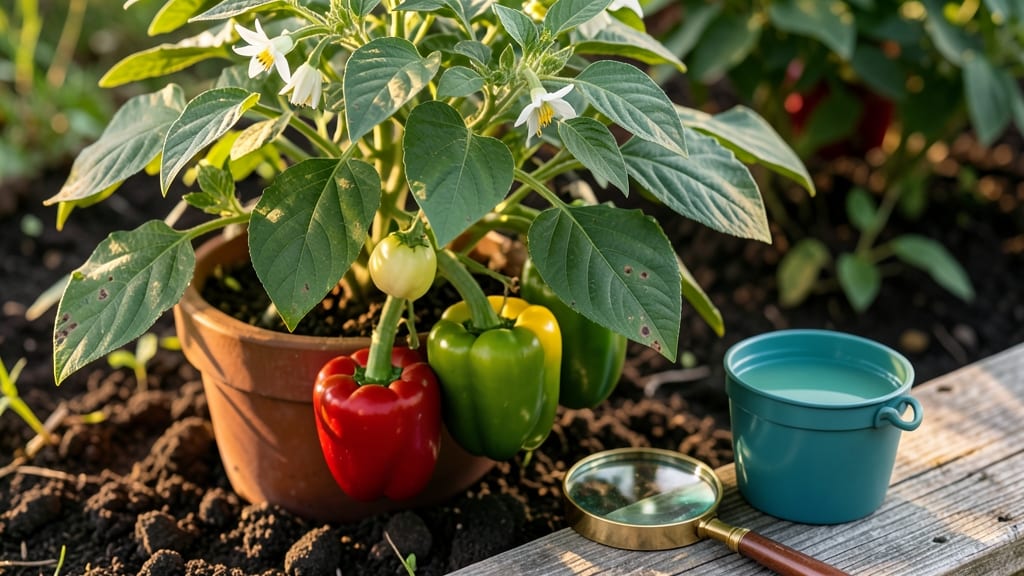
Black spots on peppers don't mean your harvest is ruined—just that your plants are fighting fungal foes. 🌱 I’ve battled these same ugly blemishes on my jalapeños and bell peppers, and the key is acting fast before the spots spread.
What starts as tiny dark dots can turn into large, sunken lesions that ruin fruit quality if ignored.
The culprits are usually anthracnose or early blight, thriving in warm, wet conditions. You’ll spot them as black or brown patches on leaves, stems, or peppers—sometimes with yellow halos around them.
The good news? These diseases respond quickly to proper care, and prevention keeps them from coming back next season.
With the right fixes—like copper fungicide sprays, pruning infected leaves, and improving airflow—you’ll see fresh, spot-free peppers in just 2-3 weeks. The secret is consistency: water at the base (not overhead), space plants properly, and clean up debris after harvest.
Whether you’re dealing with a sudden outbreak or just want to protect your plants, these fast fixes work for home gardeners at any skill level. Let’s get those peppers back to their vibrant best before your next harvest!
Root Causes of Pepper Blemishes
Black spots on peppers aren’t just an eyesore—they’re often a cry for help from your plants. Understanding the why behind these blemishes is the first step to saving your harvest. Below, we break down the most common culprits, backed by science, so you can tackle the problem at its source.
Fungi thrive in warm, damp conditions, and peppers are a prime target. The most common fungal offenders include:
- Alternaria Leaf Spot – This fungus causes dark, concentric spots (like bullseyes) on leaves and peppers. It spreads via splashing water or infected plant debris, especially in humid climates.
- Phytophthora Blight – A soil-borne pathogen that creates sunken, black lesions on fruit and stems. It loves waterlogged soil and can devastate plants quickly.
- Anthracnose – Dark, sunken spots with yellow halos appear on peppers, often in wet, tropical conditions. It thrives in high humidity and poor air circulation.
💡 Pro Tip: Fungi spread faster when leaves stay wet for more than 4–6 hours. Water peppers in the morning and avoid overhead irrigation to keep foliage dry.
Unlike fungi, bacteria don’t just lurk—they attack. Xanthomonas campestris, the bacteria behind pepper bacterial spot, enters through wounds (like insect bites or pruning cuts) and causes:
- Small, water-soaked spots that darken into scabby, raised lesions.
- Spots often appear on the edges of leaves and fruit, with a yellow halo.
- Severe cases lead to fruit deformities and premature dropping.
🔥 Key Factor: Bacteria spread via wind, water, and contaminated tools. Once established, they’re nearly impossible to eradicate—prevention is critical.
Peppers are sensitive to extreme conditions, and sudden changes can trigger stress spots. Here’s how it happens:
| Cause | Symptoms | Fix It |
|---|---|---|
| Excessive Sunlight | White or brown scorch marks on fruit exposed to direct sun (common in greenhouses or hot climates). | Provide afternoon shade with shade cloth (30–50%) or mulch to cool soil. |
| Temperature Fluctuations | Blackened tips or blotches from rapid temp swings (below 50°F or above 95°F). | Use row covers for early/late season or move containers to sheltered spots. |
| Water Stress | Dull, dark spots from inconsistent watering (too much or too little). | Water deeply 1–2 inches per week, keeping soil evenly moist but not soggy. |
✨ Grower Hack: Mulch with straw or grass clippings to stabilize soil temperature and retain moisture.
Not all spots are biological—some are the result of mechanical trauma. Check for:
- Insect Feeding – Aphids, spider mites, or thrips leave tiny black specks (frass) or stippled damage on leaves and fruit.
- Hail or Windburn – Bruised spots from storm damage may darken over time.
- Harvest Handling – Rough picking or stacking peppers can cause dark abrasions.
🎯 Preventative Action: Inspect plants weekly for pests, use row covers for wind protection, and handle peppers gently during harvest.
Quick Fixes for Pepper Spots
Now that you know the culprits behind those pesky spots on your peppers—whether it’s fungal infections, bacterial blights, or environmental stress—it’s time to roll up your sleeves and get them under control! The good news?
Most of these issues are manageable with the right approach. Below, we’ve broken down practical, step-by-step solutions tailored to each cause, plus prevention tips to keep your peppers looking fresh and blemish-free.
Fungal diseases like anthracnose, alternaria leaf spot, or powdery mildew thrive in damp, crowded conditions. Here’s how to tackle them:
🔥 Remove Infected Plant Parts
- Step 1: Snip off yellowing, spotted, or wilted leaves (and any fruit showing signs) using sterilized pruners (wipe with rubbing alcohol between cuts).
- Step 2: Do not compost these clippings—toss them in the trash to prevent reinfection.
- 💡 Pro Tip: Focus on lower leaves first, as fungi often spread upward.
🌡️ Improve Airflow and Drainage
- Step 3: Space plants 18–24 inches apart to reduce humidity buildup. If growing in containers, ensure pots have drainage holes.
- Step 4: Water at the base (not overhead) in the early morning so foliage dries quickly.
Avoid evening watering—this keeps spores active overnight.
🛡️ Apply Fungicides (If Needed)
- Step 5: For stubborn outbreaks, use copper fungicide (organic) or neem oil spray (mix 1 tbsp neem oil + 1 tsp mild soap in 1 quart water).
Spray every 7–10 days until new growth appears healthy. - ✨ Prevention: Rotate crops—don’t plant peppers (or tomatoes/eggplants) in the same spot next season.
Bacterial spots (Xanthomonas or Pseudomonas) create oily, water-soaked lesions that spread fast. Act quickly:
👨🍳 Sterilize Everything
- Step 1: Wash hands and tools with soapy water and bleach (1 part bleach to 10 parts water) before and after handling plants.
- Step 2: Remove and destroy infected leaves/fruit immediately—bacteria can linger on debris.
🥘 Adjust Watering Habits
- Step 3: Water only when soil is dry (stick your finger 1–2 inches deep—if dry, it’s time). Drip irrigation or soaker hoses are best to avoid splashing bacteria onto leaves.
- Step 4: Avoid overhead sprinklers—they turn leaves into bacterial launchpads.
🌿 Boost Plant Immunity
- Step 5: Fertilize lightly with a balanced, low-nitrogen mix (e.g., 5-5-5) to strengthen plants. Avoid overwatering, which stresses peppers.
- 💡 Pro Tip: Baking soda spray (1 tbsp baking soda + 1 tsp soap + 1 gallon water) can help prevent bacterial spread—spray every 2 weeks as a preventative.
If spots are due to sun scorch, nutrient deficiencies, or poor soil, the fix is simpler:
☀️ Shield from Harsh Sun
- Step 1: If peppers are in full sun (6+ hours/day), provide light shade (e.g., a cloche, shade cloth, or drip irrigation to cool leaves).
- Step 2: Mulch heavily (2–3 inches of straw or wood chips) to retain moisture and protect roots from temperature swings.
🍎 Balance Soil Nutrients
- Step 3: Test your soil—peppers need well-draining, slightly acidic soil (pH 6.0–6.8). Amend with compost or aged manure if soil is poor.
- Step 4: Fertilize with phosphorus (bone meal or 10-10-10) to encourage fruit development and reduce stress spots.
💧 Water Consistently
- Step 5: Deep water 1–2 times per week (depending on heat) rather than shallow daily watering. Drought stress causes spots, but so does overwatering (root rot follows).
Stop spots before they start with these easy habits:
- ✅ Rotate crops—don’t plant peppers in the same bed yearly.
- ✅ Start with disease-resistant varieties (e.g., ‘Aristotle,’ ‘Carmen,’ or ‘Jupiter’ peppers).
- ✅ Sanitize tools and containers between uses.
- ✅ Monitor humidity—aim for 40–60% (use a dehumidifier in greenhouses if needed).
- ✅ Harvest promptly—overripe peppers are more prone to rot and disease.
Final Thought: Most pepper spots are fixable with quick action and smart gardening. The key? Catch them early, improve airflow, and keep plants healthy—your harvest will thank you! 🌱🔥
Frequently asked questions
Why do my pepper leaves have black spots but no fruit is affected yet?
Those spots are likely Alternaria leaf spot or early blight, which often start on leaves before spreading to fruit. The fungus thrives in warm, humid conditions and needs to be treated early with copper fungicide or neem oil to prevent fruit infection. Remove affected leaves immediately and improve airflow between plants.
Can I still eat peppers with black spots?
It depends on the cause! If spots are from sun scorch or mechanical damage, the pepper is safe to eat—just trim the affected area. However, if spots are from fungal diseases (like anthracnose) or bacterial infections, avoid eating them as spores/bacteria may be present. When in doubt, discard heavily spotted peppers.
How do I tell if spots are from pests vs. disease?
Pest damage (like spider mites or aphids) often shows as tiny specks, webbing, or stippling on leaves, while disease spots are usually larger, dark, and may have yellow halos. Check the undersides of leaves for pests—if you see them, treat with insecticidal soap. For diseases, look for spots with raised edges or sunken centers.
Will my pepper plants recover if I treat the spots now?
Yes, but speed matters! If caught early (within 1-2 weeks of first spots), plants can recover fully with proper care: remove infected parts, improve airflow, and apply fungicide. However, severe infections may reduce yield. For next season, choose disease-resistant varieties and practice crop rotation to prevent recurrence.