
Container Gardens
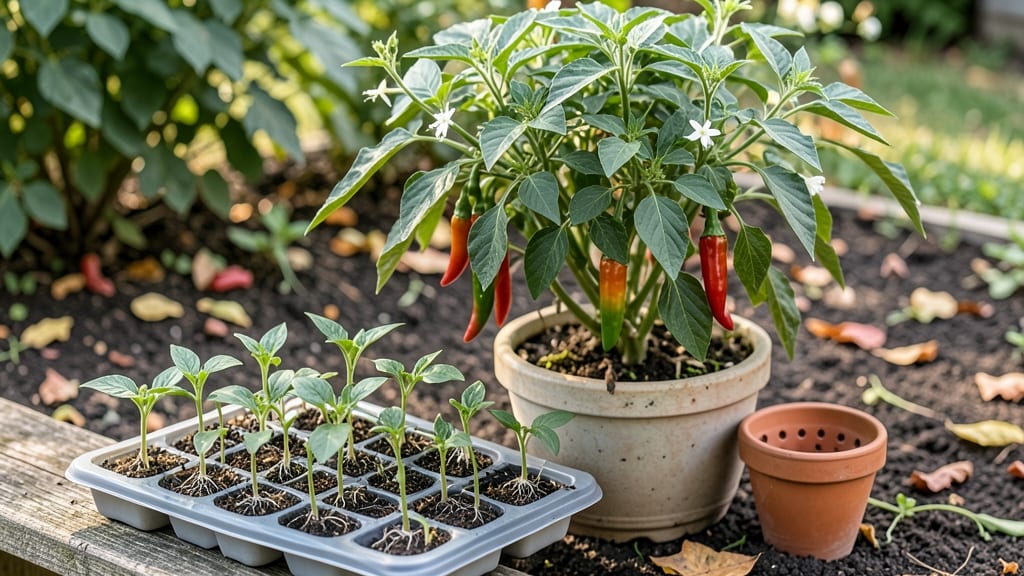
Growing cayenne peppers in pots delivers fiery rewards in just 12 inches of space. 🌶️ After my first container-grown cayenne plant produced enough peppers to fill a jar of homemade hot sauce, I never looked back.
The secret isn't just the right pot—it's matching heat to the growing conditions these spicy stars demand. You'll need a 5-gallon container (minimum) with drainage holes, well-draining potting mix, and a sunny spot that gets 6+ hours of direct light daily.
Cayennes crave warmth, so if your mornings dip below 55°F, use a heat mat or wait until after your last frost. The payoff? Plants that grow 3-4 feet tall, packed with bright red, thin-walled peppers that pack serious heat.
By midsummer, you'll be harvesting dozens of peppers per plant, and the flavor only intensifies as they ripen. The key is consistent watering—keep soil moist but never soggy—and a balanced fertilizer to fuel that spicy growth. Even in small spaces, these plants deliver bold harvests that outperform store-bought.
This method works for balconies, patios, or sunny windowsills, and the same principles apply whether you're growing cayennes, jalapeños, or habaneros. Just remember: the smaller the pot, the more frequently you'll need to feed and water. Let's get those seeds sprouting!
📚 In This Guide
- What you need
- Instructions
- Tips and common mistakes
- Wrapping up and next steps
What you need
- ● Containers: At least 1 large pot (12+ inches deep, 12+ inches wide)
- ● Drainage holes (critical for preventing root rot!)
- ○ Optional: Self-watering pots or fabric grow bags for better moisture control.
- ● Potting Mix: High-quality container mix (avoid garden soil—it compacts and drains poorly).
- ○ Optional: Add perlite or vermiculite (10-20%) for improved aeration.
- ● Cayenne Pepper Seeds or Seedlings: Seeds: 3-5 seeds per pot (thin to 1-2 strongest plants).
- ● Seedlings: 1-2 per pot (for faster harvests).
- ● Fertilizer: Balanced liquid fertilizer (10-10-10 or 20-20-20) or organic options like compost tea.
- ○ Optional: Slow-release granules for convenience.
- ● Tools: Trowel or small shovel for planting.
- ● Watering can with a spray nozzle (avoids soil erosion).
- ● Glove (cayenne peppers can be spicy to handle!).
- ● Sunlight: 6+ hours of direct sunlight daily (south-facing windows or outdoor space).
- ● Temperature: Warmth is key! 70-90°F (21-32°C) for germination and growth.
- ● Water Access: Consistent moisture (but avoid soggy soil—cayennes hate "wet feet").
- ● Patience: Germination takes 7-14 days; harvest in 60-90 days (depending on variety).
Step-by-step instructions for planting cayenne peppers in pots
Here's how to grow fiery cayenne peppers in containers—packed with heat and flavor in just 12 inches of space.
🪴 Step 1: Choose the Right Containers and Drainage
Select pots at least 12 inches deep with multiple drainage holes—cayennes hate soggy roots. I use 5-gallon fabric grow bags for my cayennes because they allow excess moisture to evaporate while still holding enough soil for strong root development. If using traditional pots, ensure they're made of unglazed terra cotta or have at least 4 drainage holes to prevent root rot.
Line the bottom of each pot with 1 inch of gravel or broken pottery shards to create an air gap. This prevents water from pooling at the roots while still allowing excess moisture to drain away. Real talk: I skipped this once and ended up with a pot full of moldy soil—don’t make that mistake.
🌱 Step 2: Prepare Soil and Plant Seeds or Transplants
Fill the pots with a well-draining potting mix—never garden soil, as it compacts and suffocates roots. I blend 50% premium potting mix with 30% perlite and 20% compost for the perfect balance of nutrients and aeration. Moisten the mix until it's damp but not soggy—think of a wrung-out sponge.
For seeds, plant 2-3 cayenne seeds per pot at a depth of ¼ inch, spacing them 2 inches apart. Cover lightly with additional mix and mist gently with water. If using transplants, dig a hole twice as wide as the root ball and place the plant so the top of the root ball sits ½ inch below the soil surface. Cayennes thrive when slightly buried—they'll send out extra roots from the buried stem.
☀️ Step 3: Provide Warmth, Light, and Consistent Water
Cayennes need full sun—at least 6-8 hours daily—and warmth to germinate. Place pots in a south-facing window or under grow lights positioned 4-6 inches above the plants. If starting from seed, keep the soil at 75-85°F using a seedling heat mat until sprouts appear in 7-14 days. Here's the thing—without enough warmth, germination slows to a crawl.
Water deeply once a week, allowing 1 inch of water to soak through the soil. Let the top 2 inches dry out between waterings—cayennes are drought-tolerant once established, but they won’t produce heat if stressed. I use a moisture meter to check; if it reads dry at 2 inches, it’s time to water. Avoid wetting the leaves to prevent fungal diseases like pepper blight.
✂️ Step 4: Prune and Fertilize for Maximum Heat
When plants reach 12-18 inches tall, pinch off the top sets of flowers to encourage bushier growth. This isn’t about fewer peppers—it’s about stronger, hotter peppers. Cayennes produce more heat when they focus energy on fewer, larger peppers. After pinching, fertilize with a balanced 10-10-10 or 5-5-5 organic fertilizer every 2-3 weeks to keep them producing.
Watch for side shoots (small stems growing from the main stem). These are your plant’s way of saying, “I’ve got energy to spare!” Leave 2-3 of the strongest side shoots per plant—these will become your future pepper producers. Remove the rest to avoid overcrowding, which weakens heat production.
🌿 Step 5: Harvest and Encourage Continuous Production
Harvest cayennes when they reach 3-4 inches long for peak heat and flavor. Use clean pruners to snip the pepper just above a leaf node—this encourages the plant to produce more. If you wait until peppers turn red, you’ll get fewer but hotter peppers. I harvest mine every 3-4 days during peak season to keep the plant focused on new growth.
As temperatures drop below 60°F at night, move pots to a sunny indoor spot or greenhouse. Cayennes are tropical and won’t tolerate frost, but with the right light and warmth, they’ll keep producing for months. Here’s the secret: a small LED grow light on a timer keeps them happy even in winter.
Tips & tricks for growing cayenne peppers in containers
Growing cayenne peppers in pots isn't just possible—it's a game-changer for small spaces and urban gardeners. Here's what I've learned to maximize heat and yield without the hassle.
Container Material Matters: While the instructions recommend fabric grow bags or terra cotta, I've found that plastic pots with drainage holes actually retain moisture better in dry climates. The key is to monitor soil moisture more frequently with plastic—these pots can dry out faster than terra cotta in hot sun. For winter growing, I switch to insulated grow bags to protect roots from temperature swings below 60°F, which cayennes absolutely hate.
Soil Mix Secrets: The 50-30-20 blend of potting mix, perlite, and compost works wonders, but here's my upgrade: I add 1 tablespoon of crushed eggshells per pot for calcium. Cayenne plants are prone to blossom end rot, and this simple addition prevents that bitter disappointment. Also, sift your soil mix before planting—large clumps can create air pockets that stunt root growth. Think of it like making a smooth cake batter.
Light Optimization: Those 6-8 hours of full sun are non-negotiable, but I've discovered a trick for cloudy days: position your grow lights 3 inches closer than the recommended 4-6 inches when sunlight is scarce. Just be careful not to let the leaves touch the light bulb—this causes burns that look like sunburn on your skin. I also rotate my pots quarter-turn daily to ensure even light exposure all around the plant.
Watering Wisdom: The 1-inch weekly watering guideline works, but timing matters more than quantity. Water in the early morning so leaves have all day to dry—this prevents fungal diseases like pepper blight that turn leaves black. I've also started using drip irrigation instead of overhead watering, which delivers water directly to the roots where it's needed most. This method keeps my cayennes thriving even in humid conditions.
Pro Tips for Planting Cayenne Peppers In Pots
- Growing cayenne peppers in pots isn't just possible—it's a game-changer for small spaces and urban gardeners.
- Container Material Matters: While the instructions recommend fabric grow bags or terra cotta, I've found that plastic pots with drainage holes actually retain moisture better in dry climates.
- Soil Mix Secrets: The 50-30-20 blend of potting mix, perlite, and compost works wonders, but here's my upgrade: I add 1 tablespoon of crushed eggshells per pot for calcium.
Frequently asked questions
Got questions about growing cayenne peppers in pots? You’re not alone! Here are answers to the most common concerns—from timing to troubleshooting—so you can grow fiery success without the fuss.
When is the best time to plant cayenne peppers in pots?
Plant cayenne peppers after the last frost when soil temps hit 60°F+ (15°C+). In pots, this means waiting until nighttime temps stay above 50°F (10°C). Start seeds 8–10 weeks before transplanting indoors if your growing season is short. Pro tip: Use a heat mat for extra warmth if your climate is cool!
How deep should the pot be for cayenne peppers?
Cayenne peppers need 12–18 inches of depth to support roots and prevent toppling. A 5-gallon pot (18" deep) is ideal for one plant. If using smaller pots, opt for bushier varieties like ‘TAM Mild’ or prune vines regularly. Warning: Shallow pots = stunted growth and fewer peppers!
Can I grow cayenne peppers in pots without sunlight?
Cayennes are sun-worshippers—they need 6–8 hours of direct sunlight daily. If your space is shady, supplement with grow lights (12–16 hrs/day) or choose a south-facing spot. Signs of trouble: Leggy plants or pale leaves mean more light is needed. Move your pots closer to a sunny window or balcony!
Why are my cayenne pepper leaves turning yellow or curling?
Yellow leaves often signal overwatering or nutrient deficiency. Let soil dry 1–2 inches deep between waterings, and fertilize every 2–3 weeks with a balanced 10-10-10 or pepper-specific feed. Curling leaves? Check for pests (aphids, spider mites) or underwatering. Spray with neem oil or adjust your watering routine.
What’s the spiciest cayenne pepper variety for pots?
For maximum heat, try ‘Carolina Reaper’ (if you’re brave!) or ‘7 Pot Primo’—both thrive in containers. Other fiery picks: ‘Habanero’ (compact) or ‘Ghost Pepper’ (needs extra warmth). Remember: Hotter peppers need more care—prune aggressively to avoid overcrowding!
How do I keep cayenne peppers productive in hot summer pots?
Pots dry out fast in heat—water deeply when the top inch of soil is dry. Add mulch (straw or shredded leaves) to retain moisture, and fertilize weekly with a liquid feed during fruiting. Bonus: Move pots to partial shade (3–4 hrs/day) if temps hit 90°F+ (32°C+) to prevent stress.
Wrapping up and next steps
Growing cayenne peppers in pots isn’t just possible—it’s rewarding! With the right container, soil, and a little patience, you’ll soon be harvesting fiery peppers that add serious flavor to your dishes.
Whether you’re a beginner or a seasoned gardener, this bold heat harvest proves that even small spaces can yield big results.
Ready to take the next step? Start small—plant your first cayenne pepper today, and soon you’ll be experimenting with sauces, salsas, or even sharing your harvest with fellow spice lovers. 🌱🔥