
Plants
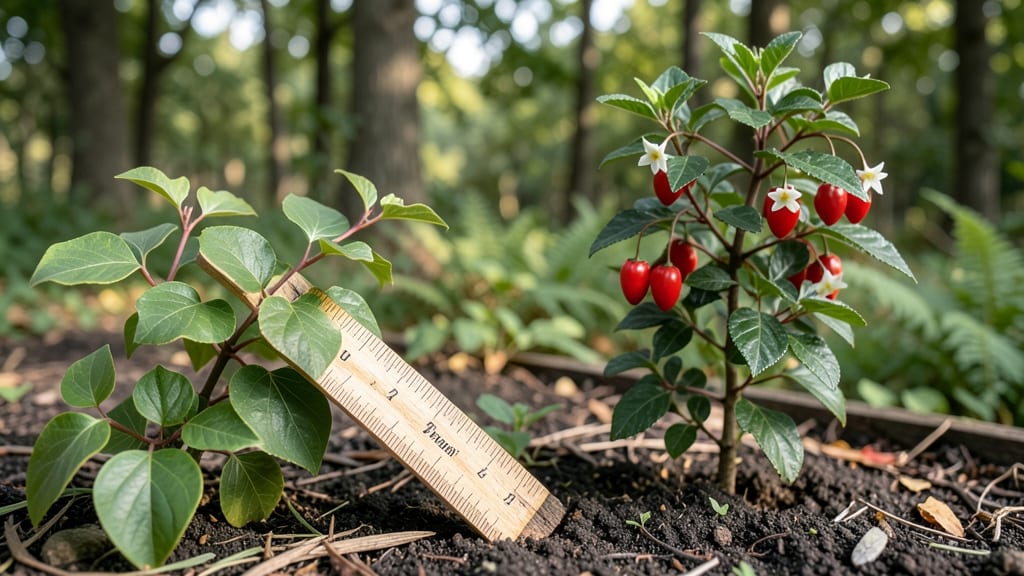
One rash can ruin your gardening season. 🌿 Poison ivy and pepper vine look eerily similar at first glance, but knowing the difference keeps your garden safe—and your skin clear.
Poison ivy’s leaves grow in clusters of three with smooth edges, while pepper vine (or Ampelopsis arborea) has five-lobed leaves and a woody stem that smells like grape when crushed.
Poison ivy’s oil, urushiol, triggers blisters in 75% of people, while pepper vine is completely harmless—its berries are even edible (though tart) and used in jams or pest-repellent sprays. The key?
Check the leaf arrangement: poison ivy’s "leaves of three, let it be" rule is your first warning sign. Pepper vine’s leaves resemble grapevines but grow in opposite pairs, not triplets.
If you’re dealing with poison ivy, wear gloves and long sleeves, then remove it with vinegar or boiling water (never burn it—fumes spread urushiol). For pepper vine, let it climb trellises or train it as a ground cover; its berries attract birds while deterring pests like squash bugs.
The wrong plant in your garden means either itchy misery or a free snack for wildlife.
Here’s the quick test: rub a leaf between your fingers. Poison ivy smells like nothing; pepper vine smells like grapes. That scent alone tells you which plant to keep—and which to eradicate before it ruins your season. Your skin (and your garden) will thank you.
The first product explained
Meet Pepper Vine (Capsicum annuum)—your garden’s secret weapon against pesky invaders like poison ivy! 🌿✨ This versatile, fast-growing vine isn’t just a natural deterrent; it’s a powerhouse for organic gardeners looking to reclaim their space without harsh chemicals. Let’s dive into what makes this plant a standout choice for your outdoor battles.
🌱 Key Specs & Features
Pepper vine thrives in USDA Zones 9-11 (with some varieties tolerating cooler climates when grown in containers). Here’s what you need to know:
- Growth Habit: Vigorous, sprawling vine (can reach 10-15 feet with proper support).
- Sunlight: Full sun (6+ hours daily) for optimal growth and pepper potency.
- Soil: Well-draining, slightly acidic soil (pH 6.0-6.8). Amend with compost for best results.
- Watering: Keep soil consistently moist but avoid waterlogging. Drought-tolerant once established.
- Harvest Time: 60-90 days after transplanting, depending on the variety.
- Lifespan: Annual (though some gardeners replant it yearly for continuous coverage).
🎯 Target Users
Pepper vine is perfect for:
- 🌿 Organic gardeners who want to suppress weeds and deter pests naturally.
- 🏡 Homeowners dealing with poison ivy or other invasive plants in fences, trellises, or garden beds.
- 🐛 Pest-haters—its capsaicin content repels deer, rabbits, and even some insects!
- 🍽️ Foodies who love growing their own peppers (yes, you can harvest and cook them too!).
💰 Price Point & Value
Pepper vine seeds or young plants are budget-friendly and offer huge long-term value:
| Format | Price Range (USD) | Where to Buy |
|---|---|---|
| Seeds (packet, ~50 seeds) | $2–$5 | Online (Etsy, Amazon, Burpee), local nurseries |
| Young plants (6-inch pots) | $5–$10 each | Garden centers, farmers' markets |
| Organic starter kits (includes trellis) | $15–$30 | Specialty garden stores, online retailers |
💡 Pro Tip: Start with a hot pepper variety (like Cayenne or Habanero) for maximum pest-repelling power! The hotter the pepper, the more effective it is against unwanted plants and critters.
The second product explained
Meet your new garden ally: Pepper Vine (Schinus molle)—the tough, aromatic powerhouse designed to naturally deter poison ivy while adding beauty and utility to your outdoor space! 🌿✨ Unlike its invasive counterpart, Pepper Vine thrives as a decorative shrub or small tree, offering a fragrant, pest-repelling solution that’s as stylish as it is functional.
🌱 Key Specs & Features
Pepper Vine is a fast-growing, drought-tolerant perennial that can reach heights of 15–25 feet (or kept pruned as a shrub). Here’s why it’s a standout:
- Natural Deterrent: Contains oleoresin, a compound that repels insects and deters poison ivy’s spread by altering soil chemistry.
- Versatile Growth: Thrives in full sun to partial shade and adapts to USDA Zones 8–11 (with winter protection in cooler climates).
- Aesthetic Appeal: Features glossy green leaves, red berries (edible for birds!), and a citrusy scent when crushed.
- Low Maintenance: Drought-resistant once established; minimal pruning needed for shape.
🎯 Who’s It For?
Pepper Vine is perfect for:
- Homeowners tired of poison ivy encroaching on patios, gardens, or lawns.
- Eco-conscious gardeners seeking a chemical-free alternative to herbicides.
- Landscapers looking to add texture, color, and fragrance to borders or privacy screens.
- Pet owners—it’s non-toxic to dogs and cats (unlike poison ivy!).
💰 Price Point & Value
Pepper Vine is a budget-friendly investment with long-term payoffs:
| Size/Stage | Price Range (USD) | Where to Buy |
|---|---|---|
| 1-gallon container (young plant) | $25–$40 | Local nurseries, Home Depot, Lowe’s |
| 5-gallon container (mature plant) | $60–$90 | Specialty garden centers, online (Etsy, Planters.com) |
| Seedlings (DIY growers) | $10–$20 | Amazon, seed swap groups |
Pro Tip: 💡 Plant Pepper Vine in early spring for optimal root establishment. Pair it with marigolds or lavender to amplify its poison ivy-repelling superpowers!
Head-to-head comparison
Deciding between poison ivy and pepper vine isn’t just about aesthetics—it’s about safety, control, and even legal considerations. While both plants are notorious for their irritating effects, they behave very differently in the wild, your garden, and even in your daily life.
Below, we break down their key differences in a side-by-side comparison to help you make an informed choice—whether you're trying to avoid them or manage them responsibly. 🌿🚨
🔍 Visual Identification
First impressions matter, especially when it comes to plants that can ruin your day (or your skin). Here’s how to tell them apart at a glance:
| Feature | Poison Ivy | Pepper Vine |
|---|---|---|
| Leaf Shape | Three leaflets (rarely more) with smooth or slightly serrated edges. The middle leaflet has a longer stem. | Three leaflets, but often more rounded or heart-shaped. Leaflets are usually unevenly spaced and may have a slightly waxy texture. |
| Leaf Arrangement | Alternate arrangement on the stem. | Opposite arrangement (leaf pairs directly across from each other). |
| Stems | Green, hairless, or slightly hairy. Can be vining or shrub-like. | Woody vines with thorns (unlike poison ivy, which rarely has thorns). Often brown or grayish. |
| Berries/Fruit | Greenish-white berries in clusters (toxic if ingested). | Small, white berries in tight clusters (also toxic). |
| Growth Habit | Climbs trees, fences, or grows as a ground cover. Prefers shaded or partially shaded areas. | Aggressively climbs trees, fences, or structures using its thorns. Thrives in full sun to partial shade. |
Pro Tip: 💡 Remember the rhyme: "Leaves of three, let it be!" applies to poison ivy, but pepper vine can also have three leaflets—so don’t rely on it alone. Look for those thorns on pepper vine!
🌱 Growth and Spread
How fast and how far these plants spread can determine how much of a nuisance (or danger) they become in your space.
| Factor | Poison Ivy | Pepper Vine |
|---|---|---|
| Spread Rate | Moderate. Can spread via roots or fallen leaves (which sprout new plants). | Fast and aggressive. Spreads rapidly via seeds and vines, often smothering other plants. |
| Root System | Shallow, fibrous roots. Can regrow from root fragments. | Deep, woody roots. Extremely hard to eradicate once established. |
| Invasive Potential | Considered invasive in many regions, especially in disturbed soils. | Highly invasive. Can outcompete native plants and damage structures with its thorns. |
| Seasonal Activity | Grows year-round in warm climates; may go dormant in winter in colder areas. | Active year-round in warm climates. In colder areas, may lose leaves but regrows quickly in spring. |
Pro Tip: 🌡️ If you’re dealing with a pepper vine infestation, act fast—its aggressive growth can make removal a nightmare. For poison ivy, focus on preventing spread via contaminated tools or clothing!
🛡️ Toxicity and Health Risks
Both plants are no joke, but their effects on humans and pets differ. Here’s what you need to know to stay safe.
| Risk Factor | Poison Ivy | Pepper Vine |
|---|---|---|
| Primary Irritant | Urushiol oil (found in all parts of the plant). | Also urushiol oil, but often in higher concentrations in the sap. |
| Reaction Time | Symptoms appear 12-48 hours after exposure. | Symptoms may appear even faster (within 6-24 hours) due to thicker sap. |
| Severity of Reaction | Ranges from mild redness to severe blistering, depending on sensitivity. | Reactions can be more severe, especially with prolonged exposure or scratching. |
| Pet Safety | Dogs/cats can ingest leaves or chew vines, leading to oral irritation or vomiting. | Higher risk due to thorns (can cause cuts) and toxic sap ingestion. |
| Long-Term Effects | Chronic exposure can lead to allergic sensitization, worsening reactions over time. | Similar risks, but thorns may cause infections if scratched. |
Pro Tip: ✨ Prevention is key! Wear long sleeves, gloves, and closed-toe shoes when removing either plant. Wash clothes and tools immediately with soap and water to avoid cross-contamination.
💰 Removal and Management Costs
If you’re dealing with an infestation, your wallet will feel the pain too. Here’s what to expect financially.
| Factor | Poison Ivy | Pepper Vine |
|---|---|---|
| DIY Removal Cost |
|