
Container Gardens
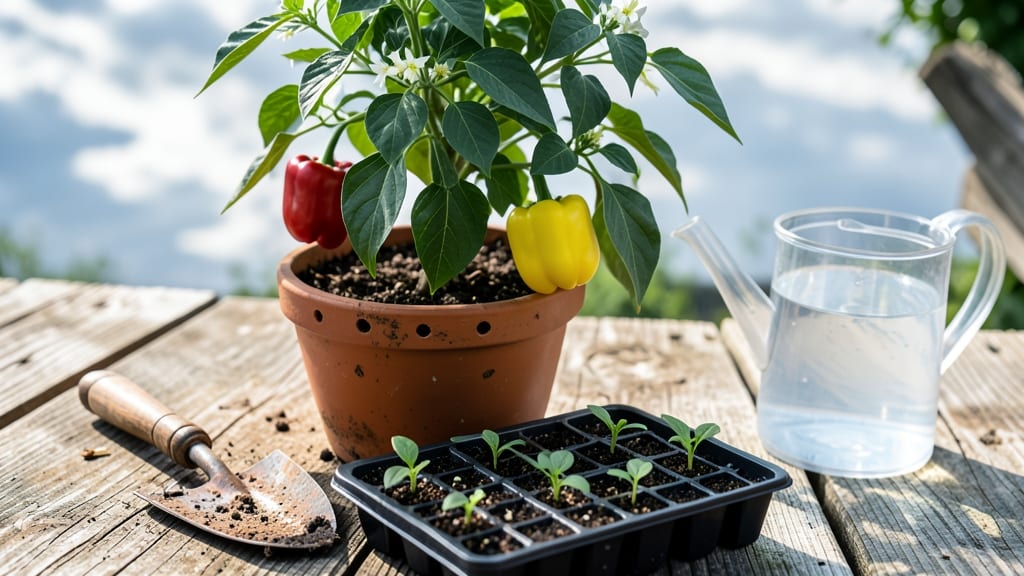
Planting pepper plants in containers lets you grow fiery jalapeños, sweet bell peppers, or everything in between—no yard required. 🌶️ Last summer, I transformed my tiny balcony into a spice garden that produced more peppers than my in-ground plot, and the secret was all in the setup: the right container size, soil mix, and sunlight strategy.
You’ll need containers with drainage holes (at least 5-gallon size per plant), well-draining potting mix, and a sunny spot that gets 6-8 hours of light daily. Most beginners underestimate how much space peppers need—crowding leads to stunted growth and fewer peppers.
I learned that the hard way when my first batch produced only three peppers total. By following this method, you’ll harvest plump, flavorful peppers all season long, with the added bonus of easy pest control and mobility.
No more struggling with soil-borne diseases or gophers—just fresh peppers whenever you want them. Let’s get those plants growing!
Start by filling your container with 3-4 inches of potting mix, then gently remove the pepper plant from its nursery pot and tease the roots apart.
Place the plant in the container so the top of the root ball sits 1 inch below the rim—this prevents water from spilling out during heavy rains. Press the soil lightly around the roots to eliminate air pockets, then water thoroughly until it drains from the bottom.
After planting, keep the soil consistently moist but never soggy—peppers hate wet feet. A self-watering container or drip irrigation system makes this easier, especially in hot weather. Within 2-3 weeks, you’ll see new growth, and by midsummer, your plants will be laden with peppers.
The key is patience and consistency.
Watch for common mistakes like overwatering (yellow leaves) or underwatering (drooping plants), and adjust accordingly. If your peppers start to flower but drop buds, they might need more phosphorus-rich fertilizer or consistent watering. Container-grown peppers also benefit from occasional pruning to remove suckers and encourage stronger stems.
This method works for any variety—whether you’re growing mild bell peppers, spicy habaneros, or everything in between. The best part? You can move your containers to follow the sun or protect them from late-season frosts. Ready to start your spice garden?
📚 In This Guide
- What you need
- Instructions
- Tips and common mistakes
- Wrapping up and next steps
What you need
- ● Containers: 5-gallon pots or larger (at least 12–18 inches deep and wide per pepper plant; 5–10 containers for multiple plants). Ensure they have drainage holes!
- ● Potting Mix: High-quality, well-draining container mix (avoid garden soil—it compacts!). Look for blends labeled for vegetables or peppers (1–2 bags, depending on container size).
- ● Pepper Seeds or Seedlings: Seeds: Start indoors 8–10 weeks before last frost or buy transplants from a nursery (hardier and faster!). Choose varieties suited for containers, like Jalapeño, Bell, or Cherry Peppers.
- ● Quantity: 1–2 seeds per container or 1–2 seedlings per pot.
- ○ Fertilizer: Balanced, water-soluble fertilizer (e.g., 10-10-10 or 20-20-20) or slow-release granules. Optional but recommended for a nutrient boost.
- ● Drainage Material: Small rocks, pebbles, or broken pottery (1–2 inches) for the bottom of containers to prevent root rot.
- ● Trowel or small shovel for planting.
- ● Watering can with a gentle spray nozzle (to avoid disturbing soil).
- ● Gloves (to protect your hands from prickly plants or soil).
- ● Stakes or cages (for taller varieties like Bell Peppers).
- ● Mulch (e.g., straw or shredded leaves) to retain moisture.
- ○ pH testing kit (optional but helpful—peppers thrive in 6.0–6.8 pH).
- ● A sunny spot! Peppers need 6–8+ hours of direct sunlight daily—place containers near a south- or west-facing window or balcony.
- ● Access to water (peppers need consistent moisture but hate soggy roots).
- ● Patience! Peppers take 60–90 days to mature, depending on the variety.
Step-by-step guide to planting pepper plants in containers
Here’s how to grow bold, productive pepper plants in containers—no yard required.
🪴 Step 1: Select the Right Containers and Drainage
Choose containers at least 12-18 inches deep and 12 inches wide per plant to accommodate root growth and prevent overcrowding. I opt for fabric grow bags or terra cotta pots—they allow roots to breathe and reduce waterlogging. Ensure each container has multiple drainage holes; if not, drill them yourself. Place a layer of ½-inch gravel or broken pottery at the bottom to improve drainage while keeping soil in place.
Pepper plants hate soggy roots, so this step is non-negotiable. If your pots lack drainage, water will pool at the bottom, causing root rot within weeks. Test your setup by filling the pot with water—it should drain completely within 10-15 minutes. This ensures your peppers won’t sit in standing water, which stunts growth and invites disease.
🌱 Step 2: Use Well-Draining Soil and Add Fertility
Fill your containers with a blend of 60% premium potting mix and 40% perlite or coconut coir to create a light, airy medium. Pepper plants thrive in soil that drains quickly but retains moisture—think of it as a sponge that wrings out easily. Mix in a slow-release fertilizer, like a 5-10-10 blend, at the rate of 1 tablespoon per gallon of soil. This gives your plants a nutrient boost without the risk of burning roots from over-fertilizing.
Before planting, moisten the soil mixture until it’s damp but not dripping. You’ll know it’s ready when a handful of soil holds together lightly—like a loose snowball. Avoid compacting the soil as you fill the pot; instead, gently press it down in layers to maintain air pockets for root development. This step sets the foundation for healthy root systems, which directly impacts fruit production.
☀️ Step 3: Plant Seedlings at the Correct Depth and Spacing
Dig a hole in the center of the pot that’s just deep enough to bury the seedling’s root ball up to its first set of true leaves. Pepper seedlings often have a thick stem at the base—this is the ideal point to plant, as burying it too deeply risks stem rot. Gently remove the seedling from its nursery pot, loosen the roots if they’re circling, and place it in the hole. Fill the gap with soil, pressing lightly to eliminate air pockets around the roots.
Space your plants 18-24 inches apart if using larger containers designed for multiple plants. If growing one pepper plant per pot, ensure the container is at least 12 inches in diameter. Water the soil thoroughly after planting to help it settle and eliminate air gaps. You’ll see the soil surface firm up slightly—this means the roots are making contact with the moist medium, which encourages them to spread outward.
💧 Step 4: Provide Consistent Water and Light
Water your pepper plants deeply every 2-3 days, allowing the top 1-2 inches of soil to dry out between waterings. Peppers are drought-sensitive but can’t tolerate soggy soil, so consistency is key. Use a moisture meter or stick your finger into the soil to check—if it feels dry up to your first knuckle, it’s time to water. Avoid wetting the leaves to prevent fungal diseases like powdery mildew, which thrives in damp foliage.
Place your containers in a spot that receives 6-8 hours of direct sunlight daily. A south- or west-facing window or balcony works well, but if natural light is limited, supplement with a grow light placed 6-12 inches above the plants. You’ll notice leggy growth or pale leaves if light is insufficient—this is your plant’s way of stretching toward the nearest source. Rotate the pots a quarter turn weekly to ensure even growth and prevent the plants from leaning.
✂️ Step 5: Prune and Support for Maximum Yield
Once your pepper plants reach 12-18 inches tall, prune the lower leaves up to 6 inches from the soil to improve airflow and reduce disease risk. Use clean, sharp pruning shears to make cuts at a 45-degree angle just above a leaf node. This encourages the plant to focus energy on fruit production rather than excessive foliage. Remove any suckers—those small shoots that grow between the main stem and branches—as they appear, since they divert energy from pepper development.
Install a small tomato cage or bamboo stake near each plant to provide support as they grow. Peppers can get top-heavy with fruit, and a sturdy structure prevents stems from snapping. You’ll see the difference in fruit quality and quantity when plants are properly supported—fewer broken branches mean more peppers reaching maturity. Harvest peppers as soon as they ripen to encourage continuous production throughout the season.
Tips & tricks for thriving container-grown pepper plants
A few strategic moves can transform your container garden into a pepper-producing powerhouse—even in limited space. Here's how to maximize success without common pitfalls.
Container Selection: While the instructions specify 12-18 inches deep, I've found that adding 2-3 inches of extra depth (up to 21 inches) gives roots more room to establish, especially for larger varieties like bell peppers. The 10-15 minute drainage test is critical—if your pot drains faster than this, add a second layer of ½-inch gravel at the bottom. This prevents nutrient loss while maintaining aeration, which pepper roots crave. For urban balconies, consider self-watering containers with a reservoir capacity of at least 1 gallon to maintain consistent moisture without overwatering.
Soil Science: The 60/40 potting mix to perlite/coco coir ratio is perfect, but here's the secret: add 1 cup of worm castings per gallon of soil for an extra nutrient boost. These castings improve microbial activity in the soil, which helps break down the 5-10-10 slow-release fertilizer more efficiently. When mixing your soil, use a large bucket to combine ingredients—this ensures even distribution. The "loose snowball" test is foolproof, but if your soil feels too dense, add another 10% perlite to improve aeration. Remember, pepper roots need oxygen as much as water and nutrients.
Planting Precision: That first set of true leaves is your planting guidepost, but watch for the seedling's "collar" (the thickened stem base). This should sit just above soil level—any deeper and you risk stem rot. When removing seedlings from their nursery pots, gently squeeze the sides to loosen circling roots. If you're planting multiple varieties, use color-coded plant markers to track each type, especially if you're growing both hot and sweet peppers together. This prevents accidental cross-pollination and helps with future pruning decisions.
Light Optimization: The 6-8 hours of direct sunlight requirement is non-negotiable, but here's how to maximize it: place containers on a rolling cart so you can move them to follow the sun's path throughout the day. If using grow lights, position them 6 inches away for seedlings and gradually increase to 12 inches as plants mature. I've seen dramatic improvements in plant health when supplementing with LED grow lights that provide both blue (for foliage) and red (for flowering) spectrums. The weekly quarter-turn rotation isn't just about even growth—it also helps prevent the plants from leaning toward the light source, which can cause uneven fruit development.
Pro Tips for Plant Pepper Plants In Containers
- A few strategic moves can transform your container garden into a pepper-producing powerhouse—even in limited space.
- The 10-15 minute drainage test is critical—if your pot drains faster than this, add a second layer of ½-inch gravel at the bottom.
- Soil Science: The 60/40 potting mix to perlite/coco coir ratio is perfect, but here's the secret: add 1 cup of worm castings per gallon of soil for an extra nutrient boost.
Frequently asked questions
Got questions about growing peppers in containers? You’re not alone! Here are some of the most common concerns—and their easy solutions—to help you grow a thriving spice garden, even in small spaces.
What’s the best container size for pepper plants?
Pepper plants need room to grow, so aim for containers at least 12–18 inches deep and wide. Five-gallon buckets or fabric grow bags work great! Smaller pots (under 5 gallons) may stunt root growth, while larger ones (20+ gallons) can lead to overwatering. Pro tip: If you’re growing multiple plants, space them 12–18 inches apart.
When is the best time to plant peppers in containers?
Peppers thrive in warm soil, so wait until after the last frost date in your area (usually late spring or early summer). Start seeds indoors 8–10 weeks before transplanting if you’re using seeds. For seedlings, transplant them into containers once they’ve developed 4–6 true leaves and nighttime temps stay above 50°F (10°C).
Can I grow pepper plants in containers year-round?
Peppers love warmth, so they’re best grown outdoors in USDA Zones 9–11 year-round. In cooler climates, move containers indoors near a sunny window or under grow lights during winter. If temperatures drop below 50°F (10°C), growth slows or stops. Pro tip: Use a heat mat for seedlings in chilly months!
Why are my container-grown peppers not producing fruit?
Common culprits include lack of sunlight (6+ hours daily), poor pollination, or overcrowding. Hand-pollinate flowers with a small brush, ensure containers are not too large (peppers fruit better in slightly root-bound pots), and check for pests like aphids. Bonus: A gentle shake of the plant can help pollination!
What’s the easiest pepper variety for beginners in containers?
Start with compact, bush varieties like Shishito, Jalapeño ‘Mini Jalapeño’, or Bell Pepper ‘Sweet Banana’. These thrive in containers, produce well, and tolerate slight neglect. Avoid large, sprawling types like Banana peppers unless you have deep pots (18+ inches).
Wrapping up and next steps
Growing peppers in containers is a rewarding way to bring bold flavors and vibrant greenery to even the smallest spaces!
With the right materials, a little patience, and consistent care, you’ll soon be harvesting homegrown peppers to spice up your favorite dishes. Remember, even a single healthy plant can yield a surprising bounty—so don’t hesitate to start small!
Now that you’re ready to plant, take the next step: mark your calendar for transplanting (if starting indoors) or head to the garden center to pick out your pepper varieties. Happy growing! 🌱🌶️