
Flowers
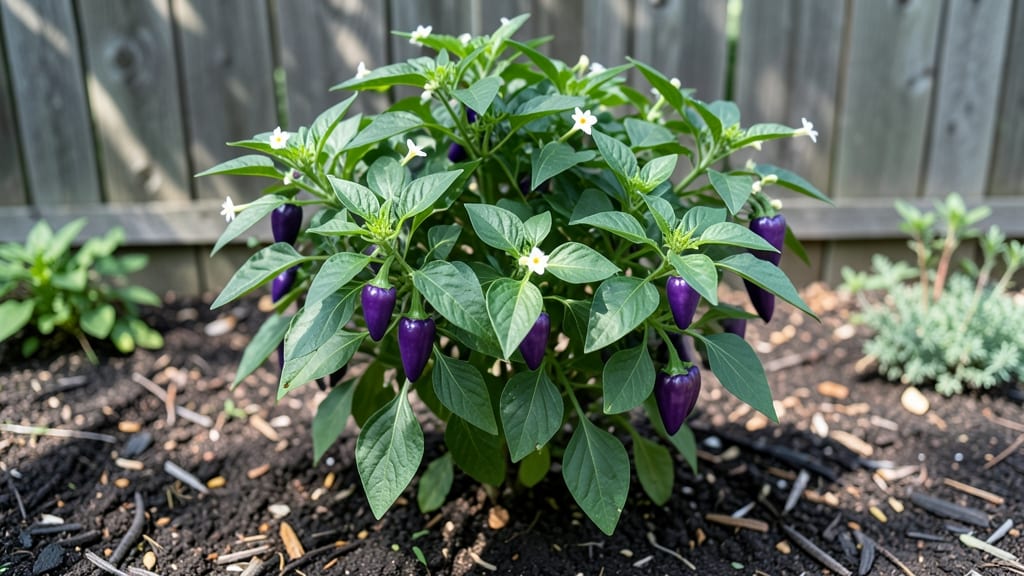
Your garden just got a bold new color statement with 'Pretty in Purple' peppers. 🌿 These aren't just for the kitchen—their deep violet hue transforms any space into a showstopper, whether trained up a trellis or nestled among flowers.
I've used them as living accents in my herb spiral, and the contrast with silver foliage plants is nothing short of dramatic.
What makes them special is their dual role: they produce edible fruit that's as beautiful as it is flavorful, while their glossy leaves add texture year-round.
The key to maximizing their ornamental value is strategic placement—pair them with chartreuse basil or burgundy lettuce for a striking contrast that lasts from early summer through fall harvest.
You'll create a garden that feels both productive and artistic, with peppers that double as culinary and visual stars. The purple hue deepens as they ripen, making them perfect for seasonal displays or as a centerpiece in container gardens alongside trailing nasturtiums.
Works equally well in raised beds, hanging baskets, or vertical gardens—just ensure they get 6-8 hours of sun daily. The secret to keeping them looking their best? Regular pruning to encourage bushier growth and remove any leggy stems that spoil the symmetry.
📚 In This Guide
- What you need
- Instructions
- Tips and common mistakes
- Wrapping up and next steps
What you need
- ● Purple bell peppers – 3-5 medium-sized peppers (fresh, firm, and vibrant purple)
- ● Wooden dowels or bamboo stakes – 1-2 stakes per plant (6-12 inches long, ¼-inch diameter)
- ● Hot glue gun + glue sticks – 1 glue gun and 2-3 sticks (for secure attachments)
- ○ Acrylic paint (optional) – Purple or metallic hues (if you want extra flair!)
- ● Paintbrush or sponge – 1 small brush or foam brush (for paint application)
- ○ Clear sealant spray (optional) – 1 can (to protect your painted peppers from weather)
- ● Scissors or craft knife – 1 pair (for trimming peppers if needed)
- ● Ruler or measuring tape – 1 (for precise cutting)
- ● Newspaper or drop cloth – 1 sheet (to protect your workspace)
- ○ Gardening gloves (optional) – 1 pair (to keep hands clean while handling peppers)
- ○ Decorative ribbons or twine (optional) – 1-2 feet (for a boho-chic touch)
How to create stunning purple pepper garden stakes
Turn ordinary stakes into eye-catching garden art that highlights your purple peppers beautifully.
🪴 Step 1: Gather and Prepare Your Stakes
Start with 4-6 sturdy bamboo stakes (about 3 feet tall) or wooden dowels—whatever you have on hand. I like bamboo because it’s lightweight but strong enough to support pepper plants as they grow. If using untreated wood, seal it first with non-toxic outdoor paint or a natural stain to prevent rot.
For extra flair, wrap the stakes with twine or thin ribbon in deep purple, lavender, or even metallic silver. Secure it tightly at the bottom and loosely at the top so you can adjust as the peppers grow. This adds a polished look while keeping the stakes functional. Avoid plastic stakes—they won’t hold up as well in wind or rain.
🎨 Step 2: Paint or Decorate the Stakes
Use acrylic paint in rich purples, blues, or even two-tone colors to create a striking contrast against your pepper plants. I recommend a matte finish—it hides imperfections better and won’t reflect sunlight harshly. Let the paint dry completely (about 24 hours) before planting to avoid smudging.
For a more rustic look, try stenciling or glazing techniques with metallic paints. If you’re feeling creative, add leaf or pepper-shaped cutouts near the top where the plant will grow. Just avoid covering the entire stake—leave the bottom 6 inches bare so it can be buried securely in the soil.
✂️ Step 3: Plant and Secure the Stakes
Drive each stake 6 inches into the ground near your pepper plants, positioning them 6-8 inches away from the stem. Angle them slightly outward (about 10-15 degrees) to give the plant room to grow without crowding. If your soil is rocky, pre-drill small holes to make insertion easier.
Tie the pepper vines to the stakes with soft garden twine or fabric strips as they grow. I like to use figure-eight knots to secure the vines loosely—tight ties can damage stems as they thicken. Check the ties every 2-3 weeks and adjust as the plant climbs.
🌿 Step 4: Maintain and Enjoy Your Display
Water your peppers deeply 1-2 times per week, ensuring the soil stays moist but not soggy. Purple peppers thrive in full sun (6+ hours daily) and well-draining soil. If your stakes start to fade, touch up the paint with a small brush—just a little goes a long way.
As the peppers mature, trim any suckers (side shoots) that form below the first flower cluster to encourage upward growth. This keeps the plant focused on climbing your decorative stakes while producing vibrant, show-stopping fruit. Your garden will be the talk of the neighborhood!
Tips & tricks for stunning purple pepper garden stakes
Transforming your garden into a vibrant purple paradise takes just a few clever tricks—here's how to make your decorative stakes stand out even more.
Material Matters: For the sturdiest stakes, look for bamboo that's at least 1/2-inch thick. Thinner bamboo can bend under the weight of mature pepper plants. If using wooden dowels, choose ones with a smooth finish to prevent snagging the vines. I've found that pre-drilling small holes in wooden stakes makes them much easier to insert into rocky soil without splitting.
Paint Prep: Before painting, lightly sand any rough spots on your bamboo or wooden stakes. This helps the acrylic paint adhere better and creates a smoother finish. I always apply a thin layer of primer first—it makes the colors pop and prevents the paint from peeling later. The 24-hour drying time is crucial; rushing this step can lead to smudged paint when you plant them.
Design Strategy: When creating your decorative elements, focus on the upper 2 feet of each stake where the plant will grow. This keeps the lower portion functional while making the most of your artistic expression. For extra durability, seal painted areas with a clear outdoor varnish after they've fully dried. This protects your hard work from rain and sun fading.
Plant Support: The figure-eight knot technique for tying vines is a game-changer—it allows the plant to grow while keeping it secure. I recommend using jute twine as it's biodegradable and won't harm the plant as it thickens. Check your ties every 2-3 weeks as the plant grows; you'll need to adjust them to prevent constriction.
Pro Tips for Pretty In Purple Pepper
- Transforming your garden into a vibrant purple paradise takes just a few clever tricks—here's how to make your decorative stakes stand out even more.
- Material Matters: For the sturdiest stakes, look for bamboo that's at least 1/2-inch thick.
- Paint Prep: Before painting, lightly sand any rough spots on your bamboo or wooden stakes.
Frequently asked questions
What’s the best time to plant purple pepper stakes for maximum blooms?
For Capsicum annuum ‘Pretty in Purple’, plant seeds indoors 8–10 weeks before your last frost date. Transplant seedlings outdoors after soil warms to 60°F (15°C)—typically in late spring. In warmer climates, start seeds in early spring for summer blooms. Pro tip: Use black plastic mulch to speed up soil warming!
How do I train these peppers to climb without damaging the stems?
Gently tie stems to stakes with soft plant ties or old fabric strips every 2–3 feet as they grow. Avoid wire or tight bindings, which can girdle (strangle) the plant. Space stakes 18–24 inches apart for airflow. Troubleshooting: If stems weaken, prune lower leaves to reduce weight.
Can I use purple pepper stakes for other flowers or veggies?
These stakes work for tomatoes, cucumbers, beans, or even ornamental vines like morning glories. Just ensure the plant’s weight won’t overpower the pepper’s natural structure. For heavier climbers (e.g., pole beans), add a second stake or trellis for support.
Why aren’t my purple pepper stakes producing flowers or fruit?
Common culprits: low light, inconsistent watering, or nutrient deficiencies. Ensure they get 6+ hours of sun daily and water at the base (not leaves) to prevent stress. Feed with a balanced fertilizer (10-10-10) when buds form. Quick fix: Trim leggy growth to redirect energy to flowering.
Are there alternatives if I can’t find ‘Pretty in Purple’ pepper stakes?
Try ‘Black Beauty’ peppers, ‘Jalapeño M’ (mini), or even ‘Shishito’—all grow well on stakes and produce edible fruit. For purely decorative stakes, use sunflowers, sweet peas, or hollyhocks. Just ensure they’re sturdy enough to support your plants!
Wrapping up and next steps
Transforming your garden into a vibrant purple paradise with pole-trained peppers isn’t just creative—it’s a rewarding way to blend beauty and function! 🌸 From selecting the right stakes to nurturing your plants, every step brings you closer to stunning, edible art.
Whether you’re a seasoned gardener or a beginner, these tips make the process simple and fun.
Ready to pretty up your space? Grab your supplies, roll up your sleeves, and let your garden bloom with flavor—literally! Start by planting your first purple pepper stake this weekend and watch your garden (and your neighbors’ jaws) drop with envy. 🌱✨