
Shrubs
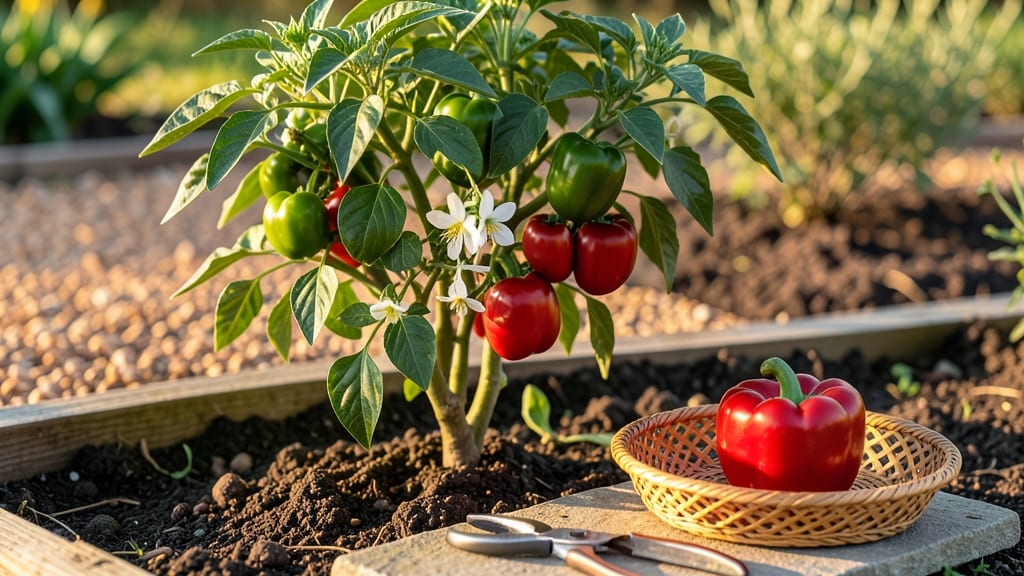
Your red pepper season starts with the right timing—plant too early and frost zaps your plants, too late and the heat steals their flavor. I’ve learned that lesson the hard way, watching 🌶️ seedlings wilt under unexpected chills in Zone 6a.
But here’s the good news: with the right schedule, you can stretch that fiery harvest from July straight through October.
Whether you’re in a warm coastal zone or a cooler inland area, knowing your last frost date and soil temperature is the key to unlocking peppers so bold they’ll make your favorite hot sauce jealous.
Below, I’ll break down the exact planting windows by USDA zone, share my top tricks for extending the season (even in colder climates), and reveal the one mistake that kills heat development faster than a sudden frost.
Ready to turn your garden into a spice factory? Let’s get started with the perfect timing for your region and variety.
Optimal red pepper planting dates by USDA growing zones
Timing your red pepper planting right ensures maximum heat development and yield potential. Since peppers need warm soil (at least 60°F) and consistent warmth, your USDA zone dictates when to start seeds indoors or transplant seedlings.
In Zone 3-4, you’ll plant later than in Zone 8-9, but both require careful planning to avoid frost damage or stunted growth.
Red peppers thrive in long, hot summers, so planting too early in cooler zones risks poor fruit set. Conversely, late planting in warm zones may cut the harvest window short. The key is balancing frost dates with heat accumulation—peppers need 90-120 frost-free days to mature fully.
Let’s break down the optimal planting windows by zone to help you plan for a spicy, bountiful harvest.
🌱 Pro Tip: Always check your last frost date (use the USDA Plant Hardiness Zone Map) and count backward 4-6 weeks for transplanting. For indoor starts, begin seeds 8-10 weeks before the last frost. Warmth is non-negotiable—peppers won’t thrive in cold soil!
| USDA Zone | Last Frost Date | Start Indoors | Transplant Outdoors | Harvest Window | Key Notes |
|---|---|---|---|---|---|
| Zone 3-4 | Mid-May | March 15-April 1 | May 15-June 1 | August-October | Use row covers; choose short-season varieties. |
| Zone 5-6 | Mid-May | April 1-April 15 | May 1-May 15 | July-October | Avoid early planting; wait for soil warmth. |
| Zone 7-8 | Mid-April | February-March | March 15-April 15 | June-November | Can plant early; extend season with succession planting. |
| Zone 9-10 | None (warm year-round) | January-February | February-April | April-December | Plant year-round; avoid summer heat stress. |
In Zones 3-4, where winters are harsh, start seeds indoors in March and transplant after the last frost date (typically mid-May). Use heat-loving varieties like ‘Early Cal Wonder’ or ‘Lunchbox’, which mature in 60-70 days.
If your season is short, opt for bush varieties—they produce faster than tall, indeterminate types.
For Zones 5-6, aim to transplant after May 1 when soil temperatures hit 60°F+. Early planting risks blossom end rot or poor fruit set. If you’re eager, start seeds indoors in April but keep them warm with a heat mat.
In these zones, succession planting every 2-3 weeks extends your harvest into October
How to extend red pepper season for longer harvests
If you're dreaming of hot sauces and salsas well into autumn, extending your red pepper season is totally possible with the right strategies. I've learned that even cooler climates can yield peppers for 4-6 extra weeks using simple techniques.
The key? Combining heat-tolerant varieties with protective growing methods that shield plants from early frosts.
My favorite approach starts with selecting long-maturing varieties like 'Cayenne Long Slim' or 'Jalapeño M', which can handle cooler temperatures better than standard types. Pairing these with season-extending tools creates a winning combination that keeps peppers producing long after most gardens have given up.
Let me show you exactly how I do it in my own garden.
- 1
- 2
- 3
- 4
For my succession planting strategy, I start with the first batch in early May, then add new plants every 2-3 weeks until early July. This creates a continuous harvest from late summer through early fall.
The key is to space your plantings so that each new batch reaches maturity just as the previous one starts slowing down.
I've found that row covers work best when installed at dusk and removed during the day for pollination. For cold frames, I use them primarily in USDA Zone 6 where temperatures can drop quickly.
The frames add that crucial extra warmth that keeps peppers producing even when nighttime temps dip below 50°F.
One pro tip I learned from my local extension office is to harvest green peppers and let them ripen indoors if frost threatens. This works especially well with varieties like bell peppers that can continue maturing after being picked.
Just place them in a sunny spot and they'll turn red in about 1-2 weeks.
Remember that extending your red pepper season requires balancing protection with proper care. Always monitor for pests and diseases that thrive in protected environments, and adjust your watering schedule to prevent root rot from excessive moisture.
With these strategies, you'll be enjoying homegrown peppers long after your neighbors have given up for the year!