Plants
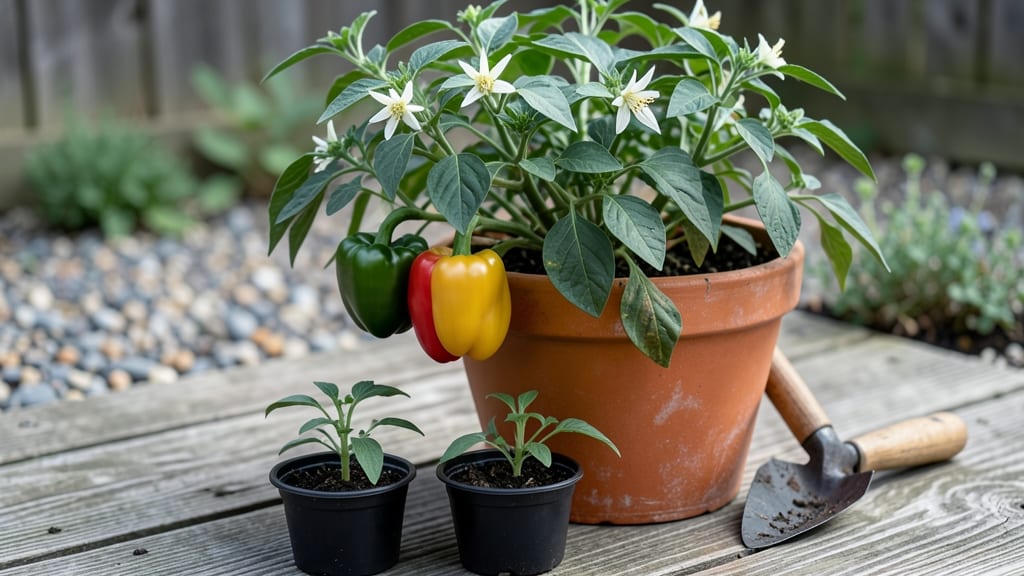
Planting bell peppers in Florida at the right time means the difference between a thriving garden and wasted effort—because timing here isn’t just about avoiding frost (which rarely happens), but about heat, humidity, and hurricane season.
Florida’s long growing season can trick you into thinking you’ve got all summer to start seeds, but waiting too late risks peppers bolting in the heat before they fruit. Meanwhile, planting too early in cooler months means slow growth and pests taking over.
Get this wrong, and you’ll end up with bushy plants and no peppers—or worse, a crop ruined by a late-season storm.
Below, I break down the exact planting windows for North, Central, and South Florida, including soil temperature rules, the best varieties for your microclimate, and how to adjust for Florida’s unpredictable weather—so you can finally grow those juicy, homegrown bell peppers you’ve been dreaming of.
You’ll learn when to start seeds indoors, how to time transplants for maximum yield, and even which companion plants keep pests at bay. No more guesswork—just a foolproof schedule tailored to your corner of the Sunshine State.
Florida bell pepper planting deadlines by microclimate zone
Florida’s three distinct microclimate zones create wildly different planting windows for bell peppers. While South Florida enjoys frost-free year-round, North Florida gardeners must time transplants carefully to avoid late-spring chills.
Even Central Florida faces subtle risks from lingering cold snaps. Understanding these zones ensures your peppers thrive without wasting precious growing time.
Bell peppers crave warm soil (65°F+) and consistent temperatures above 50°F. In Florida, this means starting seeds indoors 8-10 weeks before your zone’s last frost date or transplanting ready starts after mid-February in North Florida and January in Central/South Florida.
For maximum yield, align your planting with Florida’s two primary growing seasons: spring and fall.
North Florida (Zones 8a-8b) has the shortest frost-free window, with average last frost dates between February 15-March 1. This means your last chance to transplant bell peppers is mid-April for a spring harvest. For fall planting, aim to transplant by early August to finish harvests before first frost risks in November.
Central Florida (Zones 9a-9b) offers more flexibility, with no reliable frost dates but still benefiting from timed planting. Start transplants as early as January for spring harvests or late July-August for fall crops. The key is avoiding extreme summer heat (above 95°F) which stresses young plants.
South Florida (Zones 10a-11) can plant bell peppers year-round, but peak seasons are January-February and August-September. Here, focus on heat-tolerant varieties like 'Carolina Wonder' or 'Jupiter' to avoid fruit drop during summer’s intense heat. Even in South Florida, transplanting in hurricane season (June-November) risks storm damage.
For North Florida gardeners, prioritize early spring transplants (February-March) when soil warms to 65°F+. Use black plastic mulch to accelerate soil warming and protect against late frosts.
In Central Florida, you can stretch planting into late April for spring, but monitor soil moisture—drought stress slows growth.
In South Florida’s heat, shade cloth (30-50%) during peak summer (June-August) prevents fruit drop and sun scald. For fall crops, transplant by mid-August to harvest before hurricane season peaks (Sept-Oct). Always harden off seedlings for 7-10 days before transplanting to avoid shock.
Pro tip: Use seed-starting dates 8-10 weeks before your zone’s transplant window. For example, North Florida gardeners should start seeds by December 15 for spring transplants, while South Florida growers can direct-sow year-round with shade. Always test soil pH (6.0-6.8) and amend with compost for optimal growth.
Remember: Florida’s unpredictable weather means flexibility is key. Keep backup transplants ready for late frosts or hurricane delays. With the right timing, you’ll enjoy bell peppers from May-June (spring) and September-October (fall)—just in time for Florida’s best weather!
How to adjust planting timing for Florida’s unpredictable weather
Florida’s weather is famously unpredictable—late frosts in North Florida, hurricane delays in summer, and soil temperature swings that can stall growth. These factors make timing your bell pepper planting a high-stakes game.
Unlike northern states, Florida’s frost-free windows are long, but soil warmth and rainfall patterns still dictate success. For example, North Florida (Zones 8a-8b) can see unexpected chilly snaps as late as March, while South Florida (Zones 10a-11) might face hurricane-related planting disruptions in June.
To thrive, bell peppers need soil temperatures above 65°F—a threshold Florida gardens often hit earlier in spring than northern regions.
However, direct-sowing too soon risks poor germination or stunted plants if nighttime temps dip below 55°F. My rule of thumb? Wait until mid-March for North Florida and February for Central/South Florida, but always check a 7-day forecast for stable warmth. Even a single 40°F night can stress young seedlings.
⚠️ callout warning
Air temps might feel warm, but bell peppers won’t germinate if soil stays below 65°F. Use a soil thermometer—planting when the air hits 70°F but soil is still 60°F is a common mistake. In North Florida, this delay can push planting into late April, shortening your harvest window before summer heat sets in.
💡 Pro Tip: Mulch heavily (straw or black plastic) to warm soil faster. In hurricane-prone zones, delay fall plantings until after August 15 to avoid storm damage to young plants.
Hurricane season (June–November) adds another layer of complexity. Transplanting in August might seem ideal for a fall crop, but tropical storms can uproot seedlings or drown gardens. My strategy? Start seeds indoors 8–10 weeks before your target transplant date (e.g., mid-June for a September harvest).
This gives you flexibility—if a storm delays outdoor planting, you’ve got hardened-off seedlings ready to go. For South Florida, where frost is rare, July–August transplanting works well, but protect young plants with row covers during heavy rains.
Soil temperature fluctuations are another Florida-specific challenge. Even in Zone 10, cold fronts can drop temps overnight. To mitigate this, choose heat-tolerant varieties like ‘Jupiter’ or ‘Carolina Wonder’, which handle 90°F+ days better than standard types. If you’re direct-sowing, use biodegradable seedling pots to transplant later if early plantings struggle. This two-phase approach (indoor starts + soil checks) has saved my bell pepper crops three times in the last five years.
For fall plantings, aim for July–August in North Florida and June–July in South Florida. The key is balancing heat tolerance with daylength sensitivity—bell peppers need short days (10–12 hours) to set fruit, so late summer plantings align perfectly with Florida’s longer nights.
Just beware of fungal pressure from summer humidity; drip irrigation and morning watering are non-negotiables. In my Central Florida garden, this method gave me a second harvest in October—just as hurricane season winds down.
Finally, companion planting can buy you time. Pair bell peppers with basil (repels pests) or marigolds (deters nematodes) to reduce stress from weather-related setbacks. If a late frost threatens, cover plants with frost cloth—even a single 32°F night can kill young peppers.
I’ve used this trick in North Florida’s Panhandle to extend the season by 2–3 weeks. The result? Longer harvests and fewer wasted plants despite Florida’s quirks.
🌶️