
Shrubs
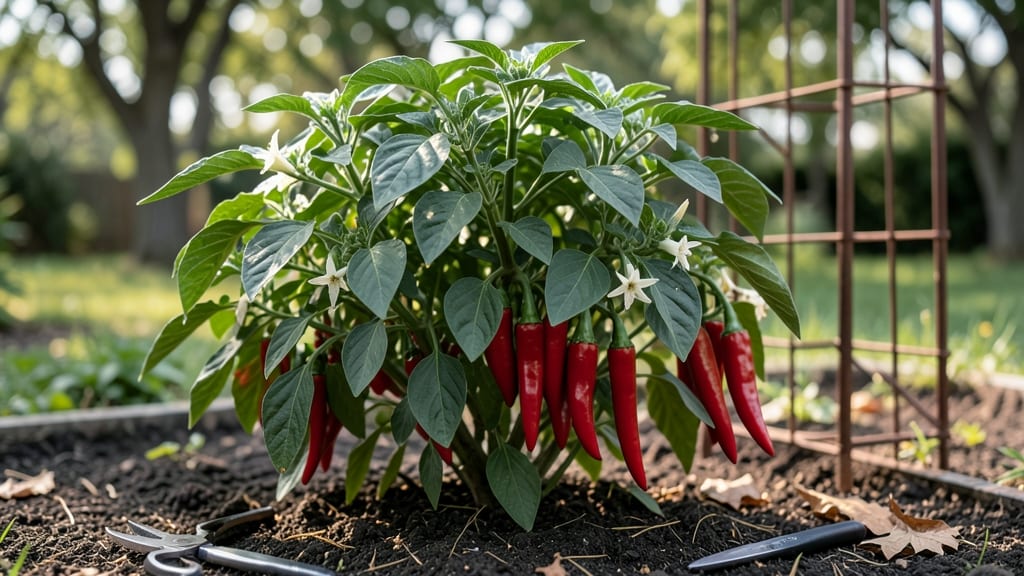
Growing Red Rocket peppers is like cultivating a 60-day firecracker in your garden—compact, fast, and packed with heat. 🌶️ I’ve grown them in 5-gallon containers on my balcony, and they produce enough peppers to fill jars with homemade hot sauce by late summer.
The secret? Starting seeds indoors 8-10 weeks before your last frost (or direct-sowing in warm climates) ensures you’ll have plants ready to burst into action when temperatures hit 70°F+.
These peppers thrive in full sun (6+ hours daily) and well-draining soil—think a mix of compost, perlite, and potting soil to keep roots happy. Space them 12-18 inches apart if planting in the ground, or use one pepper per 5-gallon container for small spaces.
A balanced fertilizer (like 10-10-10) every 4-6 weeks keeps them growing strong, but avoid over-fertilizing—too much nitrogen means fewer peppers and more leafy growth. Prune sparingly to encourage bushiness, but leave the flowers and fruit alone unless they’re crowding.
Harvest begins when peppers turn bright red and measure 3-4 inches long—snip them with clean scissors to avoid damaging the plant. The flavor deepens as they ripen, but they’re spicy enough to use green if you’re impatient.
Store fresh peppers in the fridge for up to 2 weeks or dry them for long-term use. One plant can yield 50+ peppers, so you’ll have more than enough for hot sauces, salsas, or pickling.
Just be warned: handling these without gloves might turn your hands into temporary chili peppers.
Watch for aphids (tiny green pests) and powdery mildew in humid climates—neem oil or insecticidal soap keeps them at bay. If peppers crack or turn bitter, it’s usually from uneven watering or temperature swings.
With the right care, you’ll go from seed to spicy harvest in just two months, proving that even the smallest garden can pack a punch. Ready to grow your own heat?
📚 In This Guide
- What you need
- Instructions
- Tips and common mistakes
- Wrapping up and next steps
What you need
- ● Red Rocket Pepper Seeds: 3–5 seeds (or 1–2 starter plants if transplanting). Look for Capsicum annuum varieties labeled "Red Rocket" or "Red Rocket Jalapeño."
- ● Containers or Garden Bed: Containers: 5–10 inch diameter pots (1 per plant) with drainage holes. Minimum: 1 gallon per pepper.
- ● Garden Bed: Well-draining soil in a sunny spot (6+ hours of sunlight daily). Space plants 12–18 inches apart.
- ● Potting Mix: 1–2 bags of high-quality, well-draining potting soil (mix in perlite or vermiculite for aeration).
- ● Fertilizer: Balanced, water-soluble fertilizer (10-10-10 or 5-5-5) or organic options like compost or worm castings.
- ● Watering Can or Spray Bottle: For gentle, even hydration.
- ● Must-Have Tools: Trowel or small hand shovel (for planting/transplanting).
- ● Pruning shears (for trimming leggy growth).
- ● Spray bottle (for humidity control in dry climates).
- ○ Optional (But Helpful!) Tools: Grow lights or LED bulbs (if growing indoors with <12 hours of sunlight).
- ● Plant support (cage or stake, 18–24 inches tall).
- ● pH testing kit (ideal soil pH: 6.0–7.0).
- ● Row cover or shade cloth (to protect from extreme heat/cold).
- ● Climate: Warmth is key! Start seeds indoors 8–10 weeks before the last frost (or sow directly after soil reaches 70°F+).
- ● Space: Even small balconies or windowsills work—just ensure 6+ hours of sunlight.
- ● Patience: Red Rocket Peppers mature in 60–70 days, but consistent care speeds up the process!
Step-by-step instructions for growing Red Rocket peppers
Here's my foolproof method for growing fiery Red Rocket peppers—fast, compact, and packed with heat.
🌱 Step 1: Start Seeds Indoors 8-10 Weeks Before Last Frost
Fill 2-3 inch deep seed trays with moistened seed-starting mix (not garden soil). Press the mix down gently so it's firm but not packed. Plant 2-3 seeds per cell at a depth of ¼ inch—any deeper and they'll struggle to break through. Cover lightly with additional mix and mist with water until the surface feels damp.
Place the tray in a warm spot, ideally on a seedling heat mat set to 75-85°F. Germination takes 7-14 days, depending on your home's warmth. Watch for the first green shoots—once they appear, remove the weakest seedling to leave one strong plant per cell. This prevents overcrowding later.
☀️ Step 2: Provide Bright Light and Fertilize Weekly
Move seedlings to a sunny window or under grow lights immediately after germination. Red Rocket peppers need 12-14 hours of light daily to grow strong and compact. If you notice stems stretching toward the light (called "leggy"), your light source is too far away—adjust it to within 2-4 inches of the plants.
Start fertilizing with a balanced liquid fertilizer (10-10-10) diluted to half-strength once the first true leaves appear. Feed every 7-10 days to encourage healthy growth. Over-fertilizing now leads to weak, floppy plants, so less is more. You'll see strong, dark green leaves within 3-4 weeks if everything's right.
🪴 Step 3: Transplant Seedlings After All Frost Risk Passes
Wait until nighttime temperatures stay above 55°F before moving seedlings outdoors. Harden them off by placing them outside in a sheltered spot for 1-2 hours daily over 5-7 days, gradually increasing their time outside. This toughens their stems and prevents shock.
Choose a location with full sun (6+ hours daily) and well-draining soil. Space plants 18-24 inches apart in rows 24 inches apart to allow airflow and prevent disease. Dig a hole slightly larger than the root ball, place the seedling in, and firm soil around the base. Water deeply right after planting to settle the roots.
💧 Step 4: Water and Fertilize for Maximum Heat Production
Water at the base of the plant 1 inch per week, letting the soil dry slightly between waterings. Red Rocket peppers hate soggy roots, so avoid overhead watering, which can spread disease. You'll know moisture is right when the top inch of soil feels dry to the touch but not bone-dry.
Switch to a high-phosphorus fertilizer (like 5-10-10) once flowers appear to boost fruit production. Feed every 2-3 weeks until harvest. Prune any leggy growth or crowded stems to improve airflow and redirect energy to fruit production. You'll see flowers in 4-6 weeks after transplanting, followed by peppers in 60-70 days.
✂️ Step 5: Harvest and Encourage Continuous Production
Harvest peppers when they're 3-4 inches long and bright red for peak flavor and heat. Use pruning shears to cut stems just above the fruit to avoid damaging the plant. Regular harvesting encourages more peppers to form—don't wait until they're fully mature if you want a steady supply.
If your Red Rocket plants start to slow down in late summer, give them a final feeding of balanced fertilizer and pinch off any remaining flowers. This redirects energy to ripening existing peppers. With proper care, you'll get a 60-day harvest window from a single planting—plenty of time to enjoy the heat!
Tips & tricks for growing compact Red Rocket peppers
Real talk: Growing these fiery little peppers right takes patience and precision—but these tricks will help you avoid the most common pitfalls and maximize your harvest.
Seedling Heat Mat Hack: That 75-85°F range on your heat mat isn't just a suggestion—it's the sweet spot for germination. If your home runs cooler, place the tray on top of your fridge (not inside) for consistent warmth. I've seen germination times cut in half when using this trick, and those first green shoots will appear in just 7 days instead of waiting the full 14.
Lighting Secret: When your seedlings start stretching toward the light (that "leggy" look), you're already too late—prevent it by keeping grow lights 2-4 inches away from the tops. I use a simple clip-on LED bulb for my windowsill setups, and it works just as well as fancy grow lights for the 12-14 hours of daily light these peppers crave. The key is consistency: set a timer if you can't remember to adjust them daily.
Transplanting Timing: Those 5-7 days of hardening off might feel tedious, but trust me on this: rushing this step leads to weak, shocked plants that never recover. Start with just 1-2 hours in sheltered spots (like a porch or garage), then gradually increase exposure. Watch for nighttime temps staying above 55°F—that's your green light to move them permanently. I've seen plants wilt dramatically when moved too soon, so don't skip this gradual process.
Harvest Window Strategy: The 60-day harvest window is doable, but only if you stay on top of regular harvesting. Here's my pro move: harvest every 3-4 days once peppers reach 3-4 inches—this keeps plants producing continuously. When late summer slows things down, pinch off those final flowers to redirect energy to ripening existing peppers. You'll end up with a steady supply of heat bombs all season!
Pro Tips for Red Rocket Pepper
- Real talk: Growing these fiery little peppers right takes patience and precision—but these tricks will help you avoid the most common pitfalls and maximize your harvest.
- Seedling Heat Mat Hack: That 75-85°F range on your heat mat isn't just a suggestion—it's the sweet spot for germination.
- Lighting Secret: When your seedlings start stretching toward the light (that "leggy" look), you're already too late—prevent it by keeping grow lights 2-4 inches away from the tops.
Frequently asked questions
Got questions about growing and using red rocket peppers? You’re not alone—this fiery little plant packs a punch! Here are some of the most common queries from gardeners just like you.
How long does it take for red rocket peppers to mature?
With the right conditions, these speedy growers can produce peppers in 60–70 days from transplanting! Start seeds indoors 8–10 weeks before your last frost, and you’ll be harvesting within a few months. Patience pays off—early peppers are milder, while fully ripe ones pack serious heat (up to 50,000 Scoville units).
Can I grow red rocket peppers in containers?
These compact plants thrive in 5-gallon pots or larger with drainage holes. Use a lightweight potting mix rich in organic matter, and place them in a spot with 6+ hours of sunlight daily. Just avoid overcrowding—each plant needs about 12–18 inches of space to avoid competition. Containers are perfect for balconies, patios, or small urban gardens!
What’s the best way to use red rocket peppers in cooking?
Use them sparingly—a little goes a long way! Try these ideas:
- Fresh in salsas or pico de gallo (remove seeds for less heat).
- Pickled for a tangy, spicy kick (slice thin and ferment in vinegar).
- Dried or powdered for homemade hot sauces or rubs.
- Infused oils or vinegars (steep in olive oil for 1–2 weeks).
How do I overwinter red rocket peppers?
Since they’re annuals, red rocket peppers won’t survive winter outdoors in most climates. However, you can save seeds or regrow from cuttings (though they may not be identical). For a fresh harvest next year, start new seeds indoors in early spring. If you love your plants, try growing them as perennials in pots and bring them inside before frost!
Why are my red rocket peppers turning yellow or dropping leaves?
Common issues and fixes:
- Yellow leaves: Often a sign of overwatering (let soil dry slightly between waterings) or nutrient deficiency (feed with a balanced fertilizer every 4–6 weeks).
- Dropping leaves: Could mean underwatering or temperature stress (keep them above 50°F at night).
- Pests: Check for aphids or spider mites on undersides of leaves—spray with neem oil if needed.
Wrapping up and next steps
Growing your own Red Rocket pepper is a rewarding journey that delivers bold flavors and fiery heat in just 60 days—perfect for small spaces! With the right soil, sunlight, and care, you’ll enjoy a bountiful harvest that elevates dishes from mild to mouthwatering.
Whether you’re a beginner or a seasoned gardener, this spicy adventure is well within reach.
Ready to spice up your garden? Start by grabbing your seeds, a pot, and some patience—then watch your Red Rocket peppers take off! 🌱🔥 Plant your first seed today and savor the thrill of homegrown heat.